Tunisia reportedly move to sack Sabri Lamouchi after a heavy 5-1 defeat to Sweden in their opening 2026 World Cup Group F match.
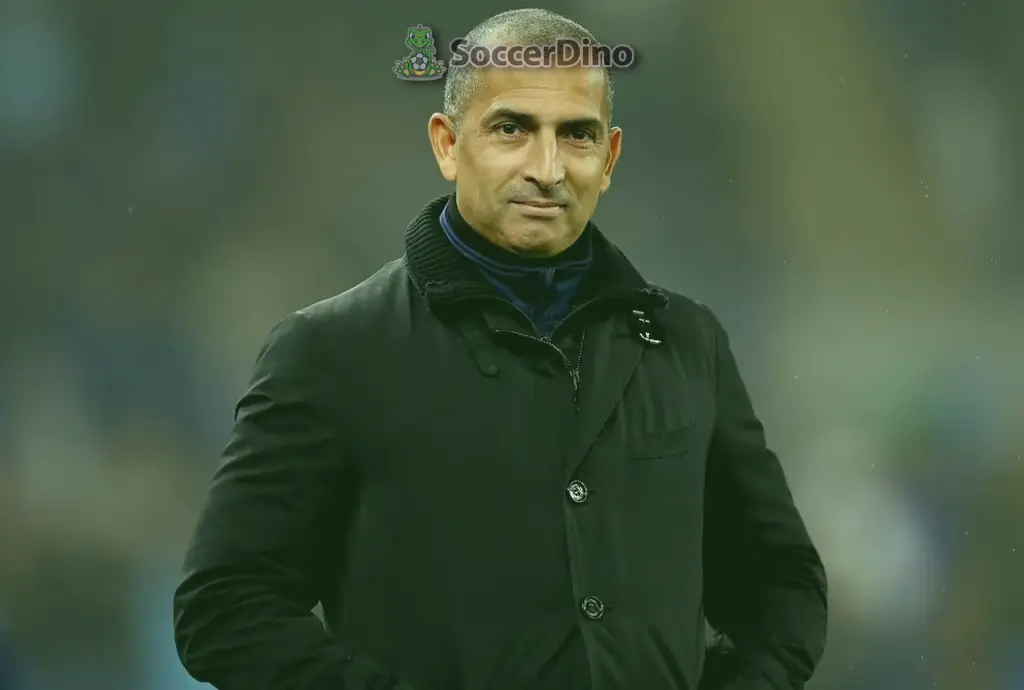
Tunisia reportedly decide to sack Sabri Lamouchi after heavy Sweden defeat
The Tunisian Football Federation has reportedly decided to dismiss Sabri Lamouchi following the heavy 5-1 defeat against Sweden in the opening round of Group F at the 2026 World Cup. The information was advanced by journalist Romain Molina and, if confirmed, represents one of the first major coaching shocks of the tournament.
The result against Sweden was more than a simple defeat. It was a damaging start to the campaign, both in terms of the scoreline and the emotional impact on a squad that entered the World Cup hoping to compete with greater stability. Losing by four goals in the first match immediately placed Tunisia under pressure and appears to have accelerated a decision that leaves the national team facing an extremely difficult moment.
According to the report, the Tunisian Football Federation has chosen to end the spell of Sabri Lamouchi after only five matches in charge. His record with the African national team stands at three defeats, one draw and one victory, a sequence that did not offer enough signs of progress or security for the federation to maintain confidence in the technical staff during the tournament.
If the dismissal is confirmed, Tunisia will be left without a permanent head coach in the middle of the World Cup, with at least two group-stage matches still to play. That scenario creates an unusual and delicate situation. Changing coach during a major international tournament is never a simple decision, especially when there is very little time to prepare the next match, rebuild confidence and reorganise the dressing room.
A defeat that changed the mood around Tunisia
The 5-1 defeat against Sweden appears to have been the breaking point. Tunisia did not only lose the match. They lost it in a way that raised serious questions about defensive organisation, tactical balance and the ability of the team to respond when the game started moving away from them. In a World Cup group, goal difference can become decisive, and a defeat of this size leaves very little margin for error.
For Tunisia, the result was especially painful because it came in the opening match. The first game of a World Cup group often sets the emotional tone for the rest of the campaign. A positive result gives a team belief and room to manage the following fixtures. A heavy defeat does the opposite. It forces immediate reaction, increases media pressure and turns the next match into something close to a final.
That is now the situation facing Tunisia. The national team must quickly move from disappointment to urgency. The players have to recover mentally from a difficult night, while the federation now appears ready to make a drastic change at the top of the technical structure. Even if the decision is intended to provoke a reaction, the timing brings obvious risks.
Lamouchi arrived with experience and a respected name in football, but his short spell did not produce the results needed to calm doubts. Five matches is a very small sample for any coach, especially at international level, where training time is limited and squad building depends heavily on short preparation windows. However, World Cup football rarely allows patience when the first match ends in such a heavy defeat.
A decision with immediate consequences
The possible dismissal of Lamouchi would force Tunisia to act quickly. The next match is scheduled for Sunday, 21 June, against Japan, and there is very little time to make changes that can truly transform the team. Any successor will have to work mainly on morale, structure and clarity rather than deep tactical reconstruction.
In practical terms, Tunisia need to stabilise before anything else. After conceding five goals against Sweden, the priority will be to restore defensive confidence and make the team harder to break down. Against Japan, that will not be easy. The Japanese side are organised, technically strong and capable of punishing teams that leave spaces between the lines.
The challenge for Tunisia is therefore both psychological and tactical. The players need to believe that the tournament is not already lost, but they also need a clear plan. A change of coach can sometimes create an immediate emotional response, but it can also add confusion if the message is not simple and direct. With only days to prepare, whoever takes charge will need to choose clarity over complexity.
There is also the question of authority inside the dressing room. A national team in the middle of a World Cup needs strong leadership, not only from the bench but also from senior players. The next few days could define whether Tunisia are able to compete for a reaction or whether the defeat against Sweden becomes the moment that breaks their campaign completely.
Khazri and Kebaier mentioned as possible successors
Wahbi Khazri and Mondher Kebaier are being mentioned as possible successors if the federation moves forward with the decision to remove Lamouchi. Both names would carry different meanings for the squad and for Tunisian football.
Khazri is one of the most recognisable Tunisian football figures of recent years. His name would naturally bring emotional weight, leadership and a strong connection with the national team environment. However, the question would be whether such a move would be viewed as a short-term motivational solution or as part of a wider technical plan.
Kebaier, on the other hand, is a more familiar coaching figure within the Tunisian national team context. His possible return would suggest a preference for experience, knowledge of the environment and an attempt to bring order quickly. In a situation where time is extremely limited, familiarity can become a valuable factor.
At this stage, however, the most important point is confirmation. Until the federation officially announces the decision, the situation remains based on the report from Romain Molina. Still, the fact that the possibility is already being discussed shows the scale of the pressure surrounding Tunisia after the result against Sweden.
Tunisia face a defining week at the World Cup
The days leading up to the match against Japan will now be crucial. Tunisia are not mathematically out of contention, but they are already under severe pressure. A second defeat would make qualification extremely difficult, while even a draw may not be enough depending on the rest of the group results.
That makes the next match a major test of character. Tunisia must show that the setback against Sweden was not the full story of their tournament. They need a response in attitude, concentration and competitive intensity. Whether that response comes under Lamouchi or under a new figure on the bench will depend on how quickly the federation formalises its position.
For Lamouchi, if the dismissal is confirmed, it would be a brutally short and painful spell with Tunisia. Five matches, three defeats, one draw and one victory would be the final record of a project that never had enough time to settle, but also never produced enough signs to survive a World Cup collapse.
For Tunisia, the situation is even bigger than one coach. The federation now faces the challenge of preventing one bad result from turning into a full tournament crisis. The defeat against Sweden has already caused serious damage. The next decision will show whether Tunisia believe a change on the bench can still rescue their World Cup campaign.