Mohamed Salah apologised to Liverpool team-mates after publicly criticising the club and head coach Arne Slot, with Curtis Jones describing the apology and Liverpool managing the fallout through a short omission and swift reintegration before Salah joins Egypt for the Africa Cup of Nations.
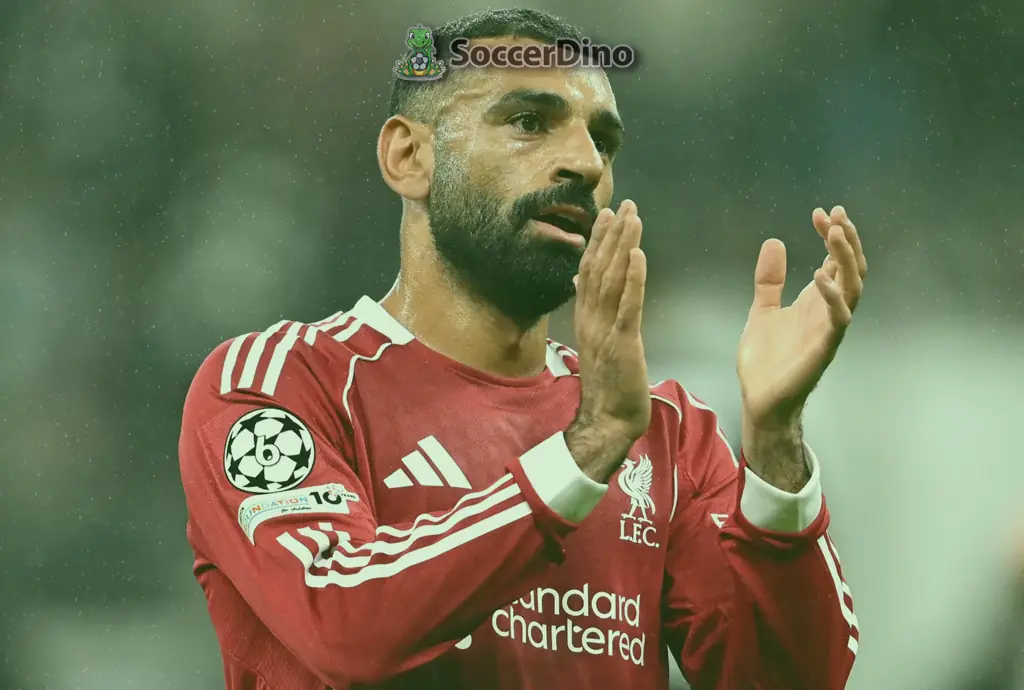
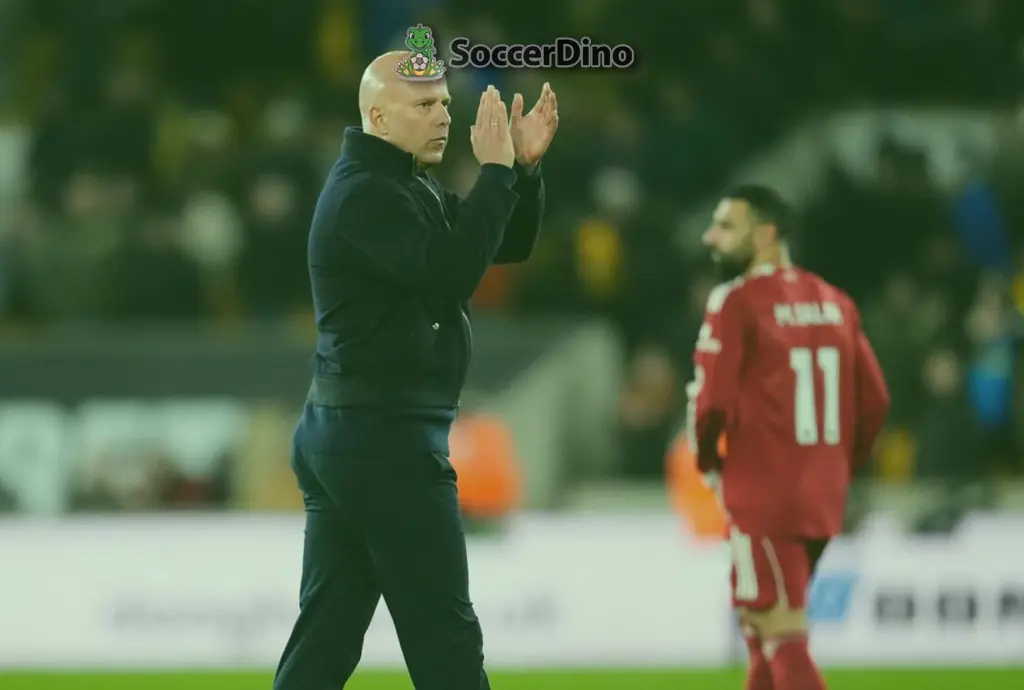
Mohamed Salah has moved to cool tensions inside Liverpool after a public outburst in which he criticised both the club and head coach Arne Slot, according to midfielder Curtis Jones speaking to Sky Sports.
The episode, which began after Liverpool’s high-scoring Premier League draw with Leeds, has become one of the most closely watched dressing-room stories of the season, not only because of Salah’s stature within the squad, but also because it touches on the delicate balance between elite player management, selection decisions, and the messaging that comes with leadership transitions.
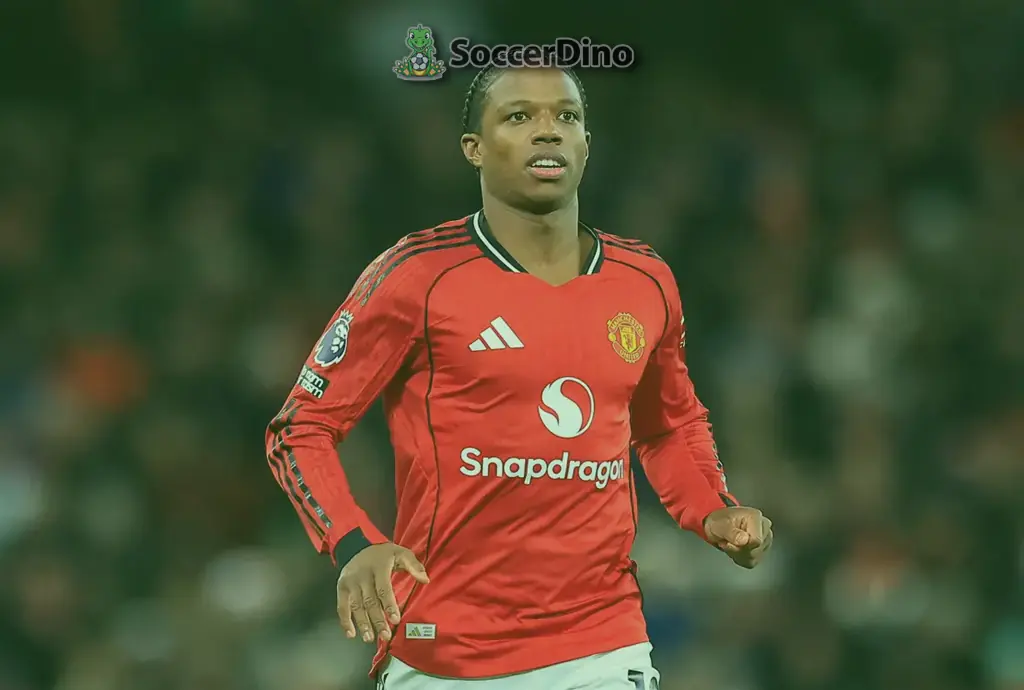
Jones explained that Salah addressed his team-mates directly and offered an apology for the way his comments landed. In Jones’s account, Salah made it clear that he did not intend to disrespect the group, and that if anyone felt personally affected he was sorry. Jones also stressed a point that many within football circles recognise about veteran stars: experienced players will speak their minds, particularly when they believe their contribution and status have earned them a voice, but it still matters how quickly they move to repair relationships once emotions settle.
The controversy began after the match against Leeds, when Salah reacted strongly to being left on the bench. His frustration centred on two themes: his belief that he has delivered consistently for Liverpool over many seasons, and his sense that the decision to reduce his role this year lacked a clear explanation. He also suggested that the club had positioned him as a scapegoat, a claim that immediately raised the stakes because it implied an internal narrative beyond ordinary selection rotation.
From Liverpool’s perspective, the situation arrives at an awkward time. Arne Slot’s first season in charge has involved the typical pressures of a new regime: implementing tactical ideas, setting behavioural standards, and recalibrating the hierarchy in a squad that includes established leaders and high-profile personalities. When a player of Salah’s profile challenges decisions publicly, it can be interpreted as a test of authority, even if the initial issue is simply disappointment about a specific matchday role.
Salah’s standing within Liverpool helps explain why his comments attracted such attention. He has been central to major successes and, last season, played a key role in the title-winning campaign. Individual accolades also reinforced his influence, including being named Premier League Player of the Year by the Professional Footballers’ Association. In many squads, that level of contribution creates an expectation of consistent starts and a certain amount of deference from staff. When reality changes, the transition is rarely smooth, particularly if the player feels the reasoning has not been communicated in a way that matches his status.
At the same time, modern squad management often pushes coaches toward difficult decisions, even with superstars. A head coach may bench a key player for tactical match-ups, for training intensity, to manage physical load, or to open opportunities for emerging attackers. None of those reasons automatically implies conflict, but public criticism can turn what should be an internal conversation into a broader institutional issue, forcing the club and coaching staff to consider not just performance, but perception.
Slot’s response, as indicated by subsequent selection, suggested a firm line. After Salah’s remarks, the forward was omitted from the squad for the Champions League league-phase match against Inter Milan. That decision was widely interpreted as either a disciplinary message, a boundary-setting exercise, or both. Leaving out a player of Salah’s calibre, particularly in a major European fixture, is not typically done lightly. It signals that the club is willing to accept short-term sporting risk in order to protect long-term standards around conduct and public communication.
However, Liverpool also moved toward reintegration quickly. Salah returned for the next match and featured in the victory over Brighton, which came on the sixteenth matchday of the league season. That sequence suggests an attempt to close the issue rather than prolong it. In elite dressing rooms, the objective is often to resolve conflict rapidly: a clear sanction, an apology, and then a return to normality before the story destabilises performance or fractures relationships.
Jones’s comments point to this de-escalation process. By emphasising Salah’s apology and maturity, he presented the incident as a moment of emotion rather than a sign of deeper division. Such messaging is important for a squad that still has to compete across multiple competitions while maintaining cohesion. Players tend to be sensitive to anything that creates camps inside the group, especially when it involves a star forward whose role can influence not only results, but also the mood of the dressing room.
The timing of Salah’s move to apologise is also notable because he is currently away with Egypt, preparing for the Africa Cup of Nations. International tournaments create a natural pause in club storylines, and they can either help a player reset mentally or keep a narrative alive if questions follow him into the national-team environment. For Liverpool, the key will be what happens when he returns: whether he accepts a more rotational role if that is Slot’s plan, whether communication between player and coach improves, and whether the club can keep the focus on results rather than internal politics.
More broadly, the episode highlights an increasingly common tension in top-level football. Star players want clarity and respect, coaches want control and consistency, and clubs want stability in public messaging. When those objectives misalign, even briefly, the story can grow quickly, especially when it involves a globally recognised player and a high-profile club. Liverpool’s handling of the situation, combining a clear response with a pathway back into the team, suggests an attempt to protect authority without permanently alienating an individual who has historically been decisive in the biggest moments.