Lyon crashed out of the French Cup after a dramatic quarter-final defeat to Lens on penalties, despite fighting back from 2-0 down to force a 2-2 draw.
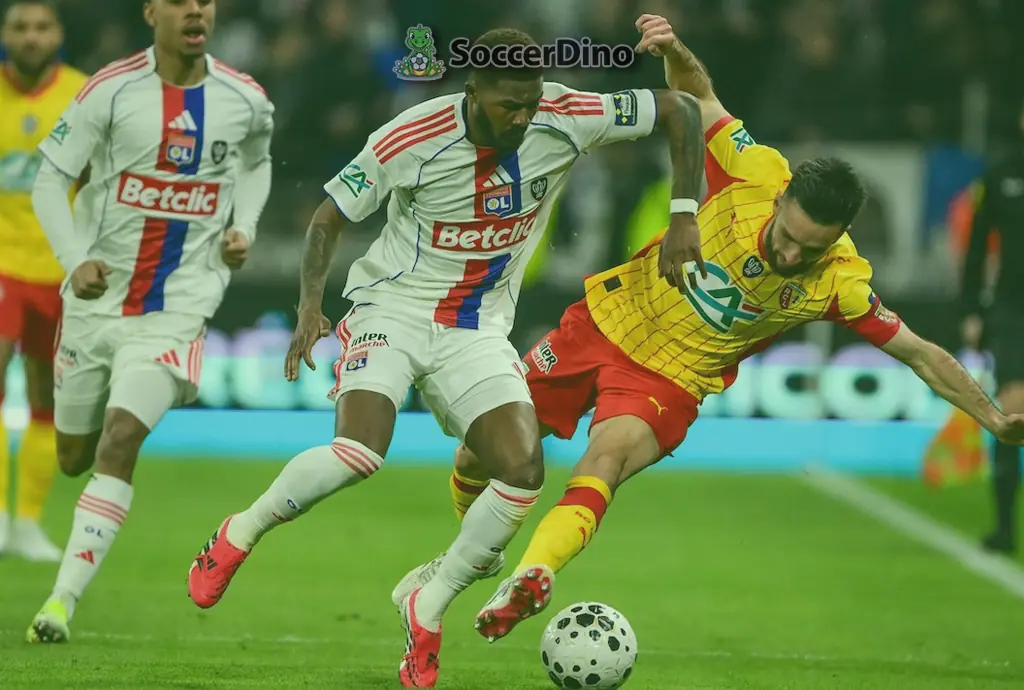
Lyon saw their French Cup campaign come to a painful end on Thursday night after falling to Lens on penalties, with a place in the semi-finals slipping away despite a dramatic late comeback in regular time.
After trailing by two goals and appearing to be heading for elimination, Paulo Fonseca’s side managed to force the match into a shoot-out with a spirited response in the second half, only to fall short from the spot as Lens held their nerve to win 5-4 on penalties following a 2-2 draw.
The quarter-final, played in Lyon, brought together two of the strongest sides in Ligue 1 this season, with the home team sitting third in the standings and Lens occupying second place. It was, on paper, one of the standout ties of the round, and it delivered a match full of intensity, momentum swings, individual drama and late emotion. In the end, however, it was Lens who celebrated progression, while Lyon were left to reflect on another frustrating evening in a season that has already brought its share of pressure and inconsistency.
Lens started the game in confident fashion and looked sharper in the first half, taking control in key moments and punishing Lyon’s defensive vulnerability. Their first goal arrived in the 23rd minute through Florian Thauvin, who gave the visitors an important advantage and settled their early nerves. It was a blow for Lyon, who needed a strong response in front of their own supporters but instead struggled to impose themselves with the consistency required in such a high-stakes knockout match.
Just as the home side were trying to stay within touching distance before the break, Lens struck again in first-half stoppage time. Senegalese forward Abdallah Sima found the net in the 45+1st minute, doubling the lead and giving the visitors a commanding position going into the interval. At 2-0 down, Lyon were facing a major uphill battle, and the mood around the stadium was one of growing concern. Against a team as well organised and disciplined as Lens, recovering from such a deficit was always going to require both tactical change and emotional resilience.
For much of the first half, Lens looked composed, clinical and comfortable. They managed the game well, limited Lyon’s attacking rhythm and made the most of the spaces that appeared. Lyon, by contrast, looked short of confidence in key areas, something that has become more noticeable in recent matches. Coming into this tie after two league defeats, Fonseca’s side were already under pressure to produce a strong reaction, especially in a competition that offered a realistic path to silverware.
The turning point of the match came in the second half, when Lens were reduced to ten men after Arthur Masuaku was sent off in the 64th minute. The dismissal of the Congolese defender completely altered the balance of the contest and gave Lyon renewed hope. Suddenly, the home side had the numerical advantage and a clear opening to mount a comeback. The tempo shifted, the crowd became more engaged and Lyon finally started to attack with greater urgency and belief.
Their response was immediate. Just three minutes after the red card, Roman Yaremchuk pulled one back for Lyon in the 67th minute. The Ukrainian striker, well known to Portuguese football fans for his spell at Benfica, injected life into the tie with a goal that changed the emotional tone of the evening. From that point onward, Lens were forced deeper and deeper, trying to protect their lead while coping with mounting pressure and fatigue.
Lyon threw more men forward in search of an equaliser, knowing that one more goal could completely reset the tie. Fonseca’s team showed character in the closing stages, committing themselves to attack and refusing to accept elimination. That persistence was rewarded deep into stoppage time, when substitute Remi Himbert scored in the 90+4th minute to make it 2-2. It was a dramatic moment that sent the home crowd into celebration and gave Lyon the lifeline they had been chasing for much of the night.
At that stage, with the momentum seemingly in Lyon’s favour and Lens having spent a long period defending with ten men, there may have been a sense that the home side had the psychological edge. But knockout football can be unforgiving, and the penalty shoot-out proved exactly that. Lens were flawless from the spot, converting all five of their attempts with composure and precision. Lyon, despite their fightback, were unable to complete the job, missing the fourth of their five penalties and ultimately seeing their cup adventure come to an end in the most agonising way.
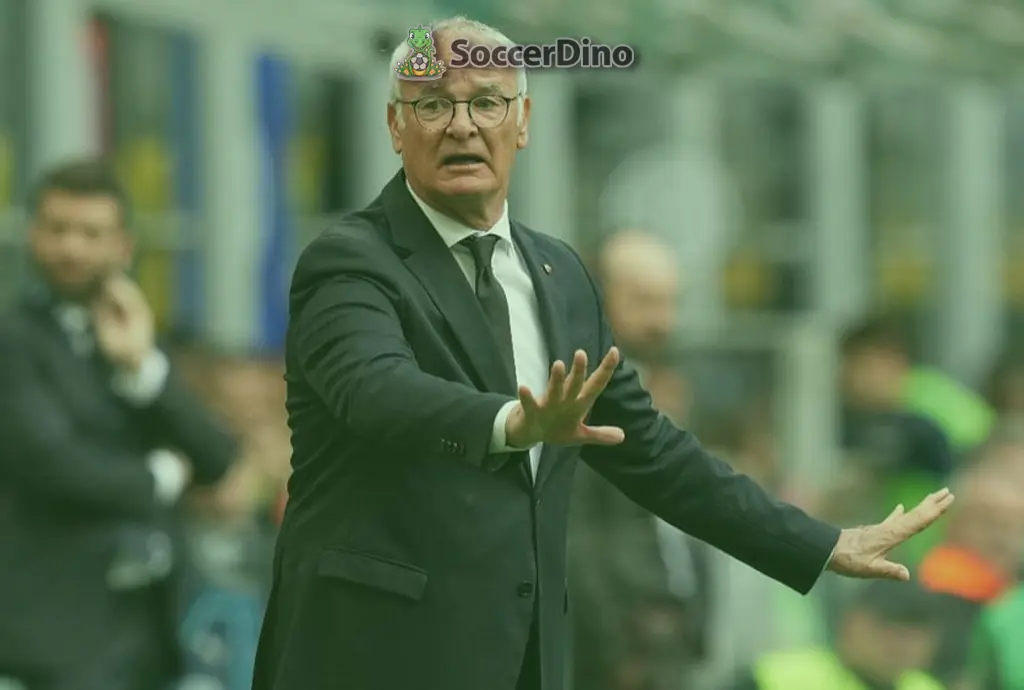
For Paulo Fonseca, the defeat was particularly bitter given the context. On the day he celebrated his 53rd birthday, the Portuguese coach came close to overseeing a memorable comeback, only for the evening to end in disappointment. There were signs of resilience from his side, particularly after going down by two goals, but the elimination will still raise questions about Lyon’s ability to manage decisive moments and avoid making life difficult for themselves in major matches.
The game also came with selection issues for Lyon. Portuguese players Matthias Silva, Mathys de Carvalho and Tiago Gonçalves were all absent by technical decision, while Afonso Moreira was unavailable through injury. Their absence reduced Fonseca’s options and added another layer of difficulty to an already demanding fixture. In a season where squad depth and consistency can make a major difference, missing players at such a crucial stage of the competition was not ideal.
This elimination means Lyon miss out on the chance to win the French Cup for a sixth time and their first since the 2011/12 season. For a club with Lyon’s ambitions and history, that is another significant setback. The Coupe de France represented not only a route to a trophy, but also an opportunity to build momentum and belief in the final stretch of the campaign. Instead, the team must now refocus entirely on league objectives and try to ensure that this defeat does not trigger a deeper loss of confidence.
Lens, on the other hand, move into the semi-finals with every reason to believe they can go all the way. Their reward is a home tie against Toulouse, who also advanced after a dramatic penalty-shoot-out victory over Marseille, winning 4-3 from the spot after a 2-2 draw in normal time. With Paris Saint-Germain already out of the competition, the path to the trophy has opened up significantly for the remaining contenders.
The other semi-final will see Strasbourg face Nice. Strasbourg advanced after beating second-division Brest 2-1, with Brest having reached the final in 2024/25 only to finish as runners-up. Nice, meanwhile, needed penalties to get past fellow top-flight side Lorient, eventually winning 6-5 after a goalless draw. Both clubs have lifted the French Cup three times, adding even more historical weight to the battle for the second place in the final.
The semi-finals, scheduled for 22 April, will be contested exclusively by top-flight sides, underlining the level of competition still left in the tournament. The final of the 109th edition of the French Cup is set to take place on 23 May at the Stade de France in Saint-Denis, on the outskirts of Paris. Whoever lifts the trophy will succeed Paris Saint-Germain, the most successful club in the history of the competition with 16 titles.
PSG’s absence remains one of the defining themes of this year’s tournament. The European and intercontinental champions, as well as four-time reigning French champions, had won eight of the previous 11 editions of the competition, including the two most recent ones. With Portuguese internationals Nuno Mendes, João Neves, Vitinha and Gonçalo Ramos in their squad, and with their usual domestic dominance, they would once again have been favourites. Yet they were surprisingly knocked out in the round of 32 by city rivals Paris FC after losing 1-0 at home, opening the door for a different name to emerge as cup winners this season.
For Lyon, that only adds to the sense of a missed opportunity. With PSG no longer in the draw, the competition looked more open than usual, and clubs like Lyon had genuine reason to dream of going all the way. Instead, despite showing heart and determination to recover from 2-0 down, they are left out of the semi-finals and out of the race for silverware. It was a night that contained fight, drama and hope, but in the end it ended in elimination, frustration and another painful reminder of how fine the margins can be in knockout football.