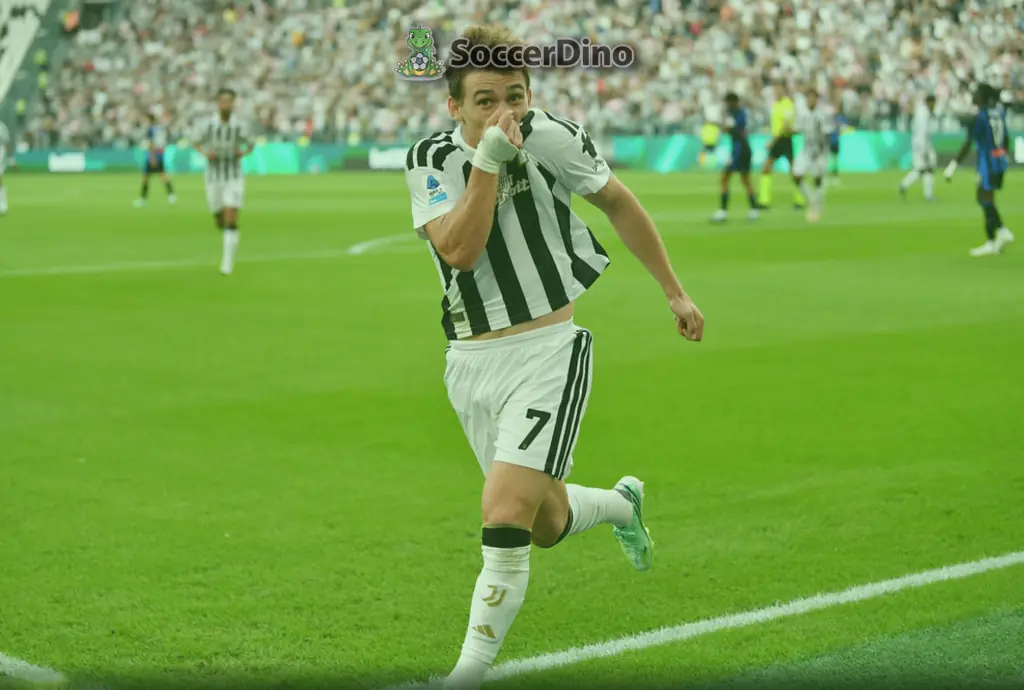
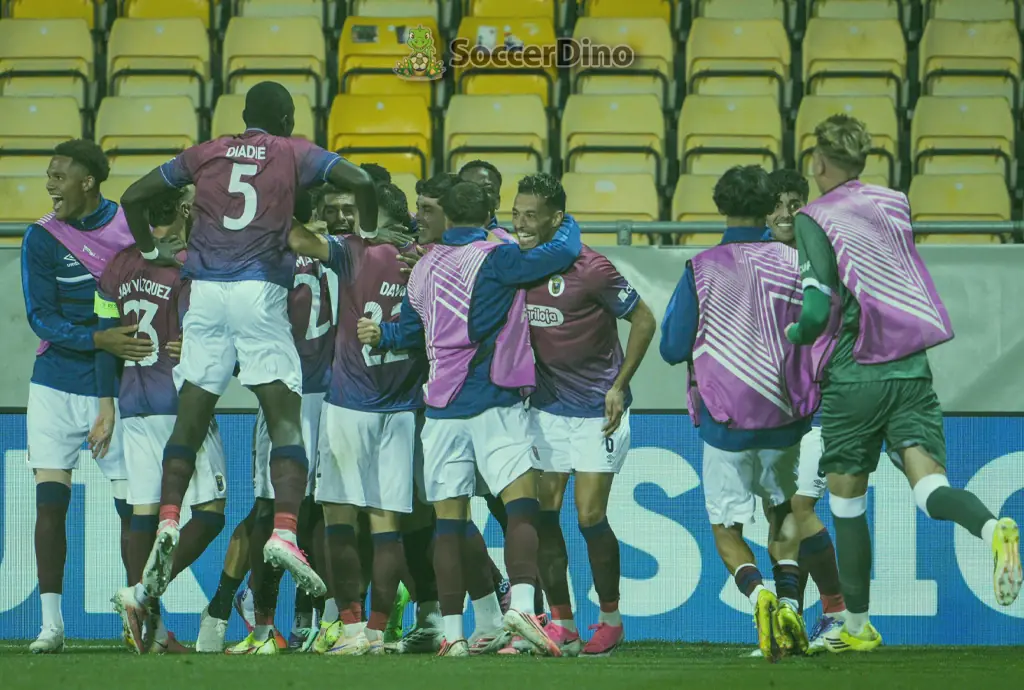
Genoa beat Roma 2-1 in a thrilling Serie A clash, with Vitinha late winner boosting survival hopes and damaging Roma Champions League ambitions.
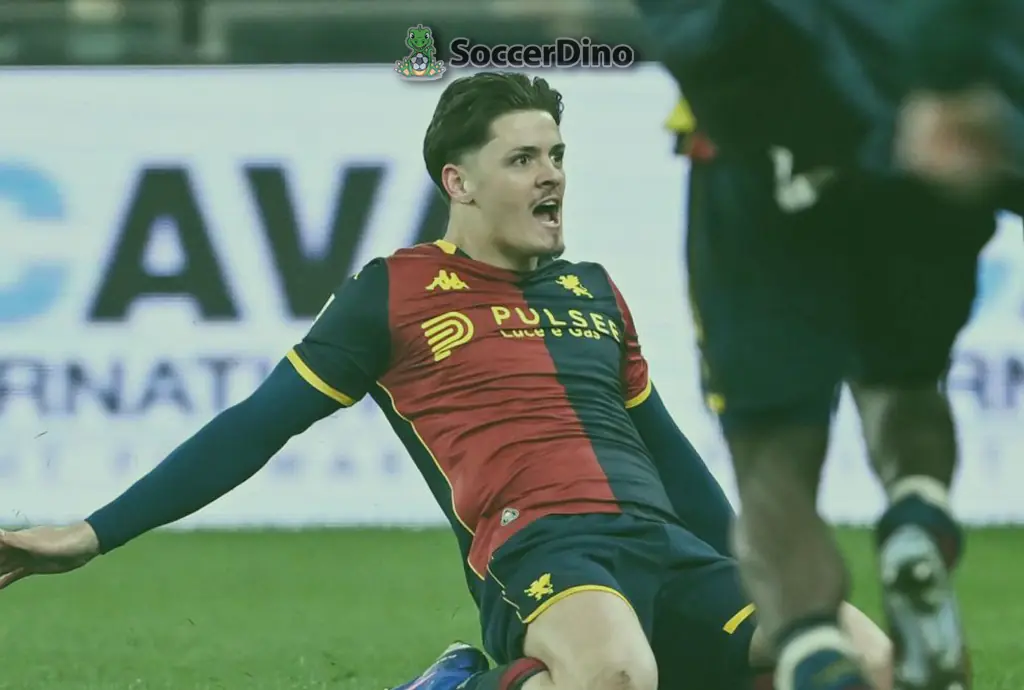
Genoa produced one of their most important performances of the season to beat Roma 2-1 in a thrilling Serie A contest, a result that could prove decisive at both ends of the table.
It was a match filled with emotion, intensity and tactical detail, but in the end it was Daniele De Rossi side who came away celebrating after a victory that strengthened their survival hopes while dealing a serious blow to Roma ambitions in the race for the Champions League places. In a game that swung back and forth and seemed capable of going either way for long periods, Genoa showed discipline, courage and clinical edge when it mattered most, with Vitinha late strike sealing a memorable win after Messias opener and Ndicka rapid response had briefly restored balance.
There was an added layer of drama to the occasion because of the connections on the touchline and the sense that both teams were playing for objectives that could define their seasons. For Genoa, every point matters in the battle to stay clear of danger, and this was the kind of fixture in which character had to be matched by tactical intelligence. For Roma, meanwhile, the stakes were equally high, with pressure building in the fight for a top-four finish and no room for costly slips. The fact that Como had already drawn level with them in the standings only made the defeat more painful, increasing the sense that this was a missed opportunity for Gasperini team in a crucial phase of the campaign.
The contrast with the earlier meeting between the sides made the result even more significant. If that previous encounter had represented the weakest Genoa display under De Rossi, this return fixture was arguably the strongest expression yet of his ideas. His side looked sharper, more aggressive and far more coherent, especially from midfield forward. There was a clear willingness to adapt personnel and shape to the demands of the match. Sabelli was used on the left, Masini and Messias operated as mezzali alongside the tireless Frendrup, and Ekhator partnered Ekuban in attack, giving Genoa mobility, work rate and unpredictability. Roma, by contrast, arrived with fewer options and some clear physical concerns, forcing Gasperini into a more limited set of solutions. He turned to Malen and used Venturino alongside Pellegrini behind the striker, but the balance never looked fully convincing for long stretches.
From the first whistle, the game was played at a fierce pace. Genoa did not sit back and wait. Instead, they attacked the contest with aggression, pressing high, denying Roma time on the ball and making every phase uncomfortable for the visitors. The home side defended with real organisation, shutting down central spaces and preventing Roma from building any rhythm. Ellertsson and Sabelli played particularly important roles in closing down the wide channels, especially against Tsimikas and Rensch, and their work without the ball helped turn Genoa into a compact and highly functional 5-3-2 when needed. The distances between lines were short, the defensive coverage was intelligent and the entire structure looked designed to frustrate Roma and force errors.
That defensive clarity was matched by confidence in transition. Whenever Genoa recovered possession, they looked to move the ball forward quickly and exploit the spaces Roma left behind. Even Bijlow became an active participant in the overall plan, stepping high and behaving almost like an additional outfield option during certain phases. The message from Genoa was clear: they were not merely trying to survive the game, they were trying to shape it on their own terms. Roma, for long spells of the first half, had no answer. Gasperini side struggled to create clear openings, failed to register meaningful attempts on target and looked strangely disconnected, a sign of how effectively De Rossi had set up his team.
Roma problems were not only tactical. Injuries had already reduced Gasperini flexibility, and the physical condition of key players became another concern during the match. Mancini, for example, was left struggling after a heavy early challenge from Vasquez, and that seemed to affect Roma defensive stability. The visitors did have isolated moments, including an acrobatic attempt from Malen that was blocked by Ostigard, but overall their attacking output was limited and their frustration grew as the half progressed. Genoa, meanwhile, looked increasingly confident. Ekuban came close after anticipating Mancini and getting on the end of a Messias pass, and that warning reflected the broader pattern of the game. The rossoblù were sharper in the duels, quicker in the second balls and more purposeful in their attacking moments.
The first half ended without a breakthrough, but the match always carried the feeling that one key moment could completely alter the flow. That moment arrived early in the second half, and it came in favour of Genoa. The home side continued with the same aggression and were rewarded when Pellegrini slipped inside the area and brought down Ellertsson, leaving the referee with little choice but to point to the spot. Messias stepped up and converted, giving Genoa a deserved lead and sending the home crowd into celebration. It was the product of pressure, intensity and a willingness to attack the decisive areas rather than simply protect the status quo.
Yet the game changed again almost immediately. Just as Genoa seemed ready to build on the momentum of taking the lead, Roma struck back. From a corner delivered by Pellegrini, Ndicka rose and sent a clever header beyond Bijlow, turning Roma first shot on target into an instant equaliser. It was a major psychological moment. Genoa had barely had time to enjoy the advantage before seeing it disappear, while Roma were suddenly lifted by a goal that gave them confidence, belief and renewed energy.
That equaliser triggered Roma best spell of the evening. For the first time in the match, Gasperini team looked capable of taking control. Malen began to find more space, the off-ball movements became more effective and the visitors started to use the width of the pitch far better. Genoa intensity, which had carried them through much of the contest, understandably dipped for a period, and Roma were quick to exploit that shift. The game tilted toward the visitors, who pushed Genoa deeper and gave the impression that a second goal might arrive. This was the phase in which the match most threatened to slip away from the hosts.
It was here that De Rossi influence became decisive once again. Rather than allow his side to retreat completely, he acted from the bench and tried to restore energy, structure and attacking threat. Malinovskyi and Colombo were introduced for Messias and Ekhator, changes designed to help Genoa get higher up the pitch and regain some control. Then came the substitution that ultimately decided the match, with Vitinha entering in place of Ekuban. It was a move that changed the final stretch of the game, adding a different kind of presence in the box and a sharper final touch in the moments that mattered.
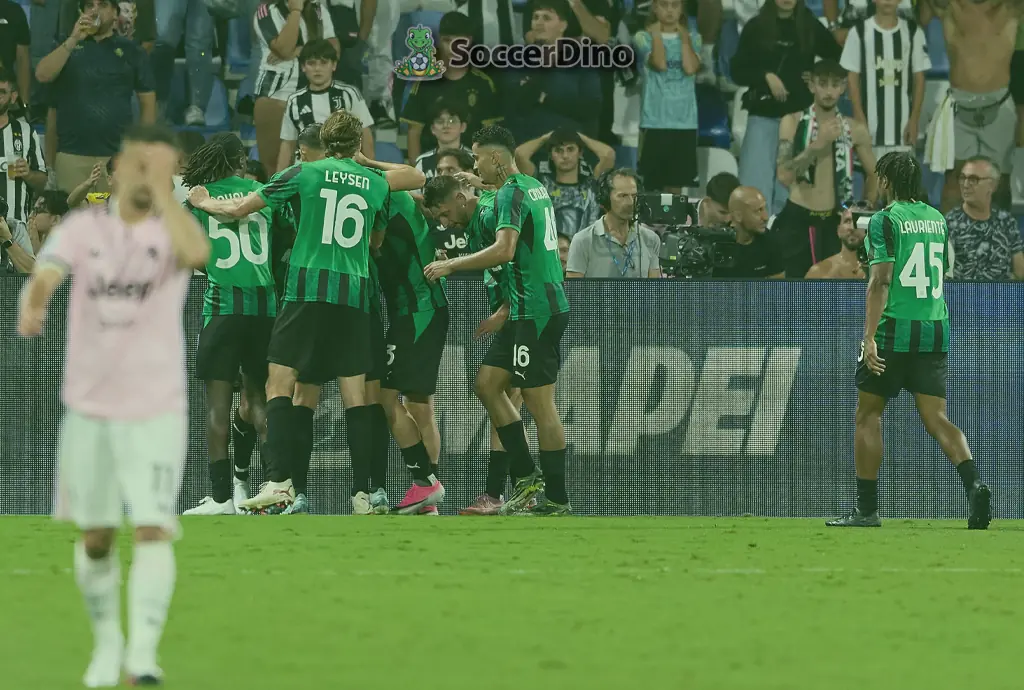
As the closing stages approached, Genoa appeared willing to let Roma have more of the ball, focusing on compactness and containment while waiting for the right chance to strike. Roma circulated possession, but too often their attacks lacked penetration or urgency in the decisive moment. Then came the action that settled the match. Masini found Vitinha inside the area with a precise pass, while Roma defence stood still for a fatal second. That hesitation was enough. The Portuguese forward reacted quickly, applied the finish and sent the stadium into celebration. It was a goal of timing, awareness and ruthlessness, and it punished Roma for switching off at exactly the wrong moment.
Even after going behind again, Roma never truly looked capable of forcing another response of the same quality as their equaliser. Genoa, far from collapsing under pressure, nearly added a third goal when Malinovskyi tested Svilar, forcing the goalkeeper into an outstanding save. That moment underlined how dangerous De Rossi side remained even while protecting their lead. They were not simply hanging on. They were still thinking clearly, still breaking forward with purpose and still carrying threat whenever the spaces opened up.
For Genoa, this was more than just 3 points. It was a statement of resilience and tactical maturity from a side fighting for survival in one of the most demanding leagues in Europe. Matches like this can define a season, not just because of the points gained but because of the confidence they generate. To beat a side with Roma quality, and to do so in such an emotionally demanding and tactically complex game, gives Genoa a platform they can build on in the weeks ahead. De Rossi will take enormous satisfaction from the organisation of his team, the bravery of their pressing, the effectiveness of the changes from the bench and the mentality shown after Roma equalised.
For Roma, the defeat leaves serious questions. There were periods in the match when their quality was visible, especially after making it 1-1, but they were second best for too much of the contest. They were pressed into mistakes, denied time in dangerous zones and too often looked vulnerable when Genoa attacked with speed. Defensively, there were moments of hesitation that proved costly, and offensively they struggled for long stretches to produce the kind of sustained pressure expected from a team chasing Champions League qualification. With Como now level on points, the margin for error is rapidly disappearing.
In the end, this was a match that had almost everything: tactical battles, emotional swings, physical intensity, important individual duels and late drama. Genoa were the better side for much of the first half, Roma had their strongest spell after equalising, but when the defining moment arrived in the closing stages, it was the home side who found the decisive touch. Vitinha goal will take the headlines, but the victory was built on much more than that. It came from collective discipline, a well-executed game plan and the courage to keep believing even when momentum briefly shifted away.
The final whistle confirmed a huge result in the Serie A landscape. Genoa strengthened their position in the survival race with a victory full of substance and spirit, while Roma left knowing they had wasted a major opportunity in the fight for the top four. On a night of tension and quality, De Rossi team delivered their most complete display in this fixture and earned a win that could carry enormous weight by the end of the season.