Jamaica head coach Steve McClaren resigned after a 0–0 draw against Curaçao cost the team direct qualification for the 2026 World Cup. Despite dominating and needing a win to go through automatically, Jamaica were held to a draw and must now try to reach the tournament via intercontinental play-offs in March. The federation will appoint a new coach to lead the team into these crucial games.«

The head coach of Jamaica’s national football team, Englishman Steve McClaren, has resigned from his position after the draw against Curaçao, a result that ended the team’s hopes of securing direct qualification for the 2026 World Cup.
The decision marks a dramatic turning point for a Jamaican side that had entered the qualifying campaign with high expectations and a squad seen as one of the most talented in the country’s history.
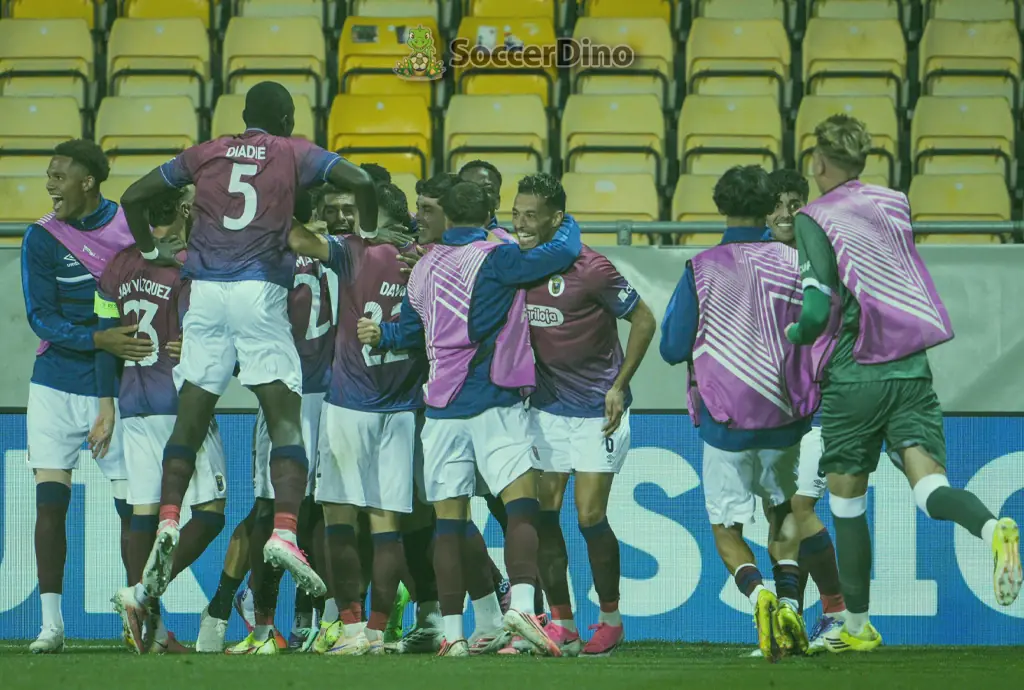
The match against Curaçao, which was played in a highly charged atmosphere, quickly became a symbol of frustration. Jamaica created enough chances to win not just once, but convincingly. They hit the woodwork three times, dominated large stretches of the game and pushed their opponents back for long periods. Yet, the ball simply refused to cross the line. The final whistle was greeted with stunned silence from the Jamaican fans, followed by a mixture of boos and applause as the reality of the result sank in. For Curaçao, it was a historic night. For Jamaica, it was the collapse of a plan that had been carefully built over the past few years.
Leading this team has been one of the greatest honours of my career, but in football you need results, and tonight we fell short of our objective, said the 64-year-old McClaren when announcing his departure. Those words captured not only his personal disappointment, but also the unforgiving nature of international football. Coaches are ultimately judged on qualification, tournaments and results in decisive moments. McClaren, who arrived in Jamaica with a reputation forged in English football and European club competitions, knew that failing to secure direct qualification would place his position under intense scrutiny.
Jamaica had entered the final group match knowing exactly what they needed to do. A win would have guaranteed an automatic ticket to the World Cup in 2026, which will be hosted by Canada, Mexico and the United States. That scenario seemed more than realistic on paper. The squad included several players from top leagues in Europe and North America, and the team had been widely tipped as favourites to top Group B of the qualifiers. Instead, they finished only in second place, a harsh outcome in a campaign where fine margins made all the difference.
The draw, however, had an entirely different meaning for Curaçao. It allowed the island nation to qualify for the final stage of a World Cup for the first time in its history. Their players celebrated with visible emotion at the final whistle, aware that they had written a new chapter for their country. For neutral observers, it was one of those football stories where an underdog defies expectations. For Jamaican supporters, it was a bitter reminder that talent and favouritism offer no guarantees in the pressure cooker of qualification.
Despite the setback, Jamaica’s World Cup dream is not over. They still have a chance to reach the 2026 tournament, but the path has become significantly more complicated. Instead of booking their place directly, they must now navigate the intercontinental play-offs, scheduled for March in Mexico, which will award the remaining two spots. This play-off route is notoriously unforgiving. A few bad minutes, a defensive lapse or a missed chance can undo months of work.
In this decisive phase, Jamaica will face potential opposition that cannot be underestimated. Also taking part will be Iraq and the Democratic Republic of Congo, who go into the play-offs as seeded teams, as well as Bolivia, Suriname and New Caledonia. Each of these nations brings its own style and challenges. South American sides like Bolivia are known for their intensity and physicality. Teams from Africa, such as the Democratic Republic of Congo, often combine athleticism with technical quality. Even teams that may not be traditional powerhouses globally, like Suriname or New Caledonia, can be extremely difficult to beat in a play-off environment where the psychological stakes are enormous.
McClaren’s resignation adds another layer of complexity to Jamaica’s preparation for these crucial games. The coach, who previously managed the England national team and worked at club level in the Premier League and abroad, brought with him not only tactical knowledge but also experience of high-pressure situations. His departure creates a vacuum at a moment when stability would typically be seen as an advantage. Still, McClaren insisted that stepping down was the right decision.
He underlined that it is the responsibility of the leader to make decisions in the best interest of the team, even when those decisions are personally painful. According to McClaren, the group needed a new voice and new energy on the touchline, someone who could approach the play-offs without the emotional baggage of the failed direct qualification. In other words, he recognised that sometimes a change in leadership can act as a reset button for a dressing room that has suffered a major disappointment.
Inside the Jamaican camp, reactions to his resignation are likely to be mixed. Some players will feel a sense of loyalty to a coach who believed in them and tried to build a cohesive, attacking side. Others may see the change as an opportunity to start fresh, perhaps with a different system or a different approach to squad selection. For the federation, the challenge now will be to move quickly while still making a thoughtful decision. There is little time to experiment or to embark on a long recruitment process.
The Jamaican federation is expected to decide in the coming days who will lead the team in the play-offs. Names will inevitably surface in the media, ranging from domestic coaches with deep knowledge of local football to foreign managers with international experience. Whoever is chosen will inherit a squad that is disappointed but far from broken. The talent pool is still there, the route to the World Cup is still open and the motivation to turn frustration into redemption will be strong.
For Jamaican fans, the coming months will be a test of patience and belief. The pain of missing out on direct qualification will not disappear quickly, especially given how close the team seemed to be. Yet the intercontinental play-offs now offer a second chance. If the new coach can stabilise the team, restore confidence and find the right balance between attacking ambition and defensive organisation, Jamaica could still arrive at the World Cup in 2026 as a dangerous and emotionally hardened opponent.
In the end, McClaren’s chapter with Jamaica closes not with the triumphant qualification he had hoped for, but with a resignation marked by honesty and a recognition of responsibility. His departure opens a new and uncertain phase, but also one filled with possibility. The story of Jamaica’s 2026 World Cup campaign is not over yet. It has simply moved into a more dramatic and unpredictable act.