Bayern Munich face a goalkeeping crisis ahead of the Atalanta clash after Sven Ulreich joined Manuel Neuer and Jonas Urbig on the injury list.
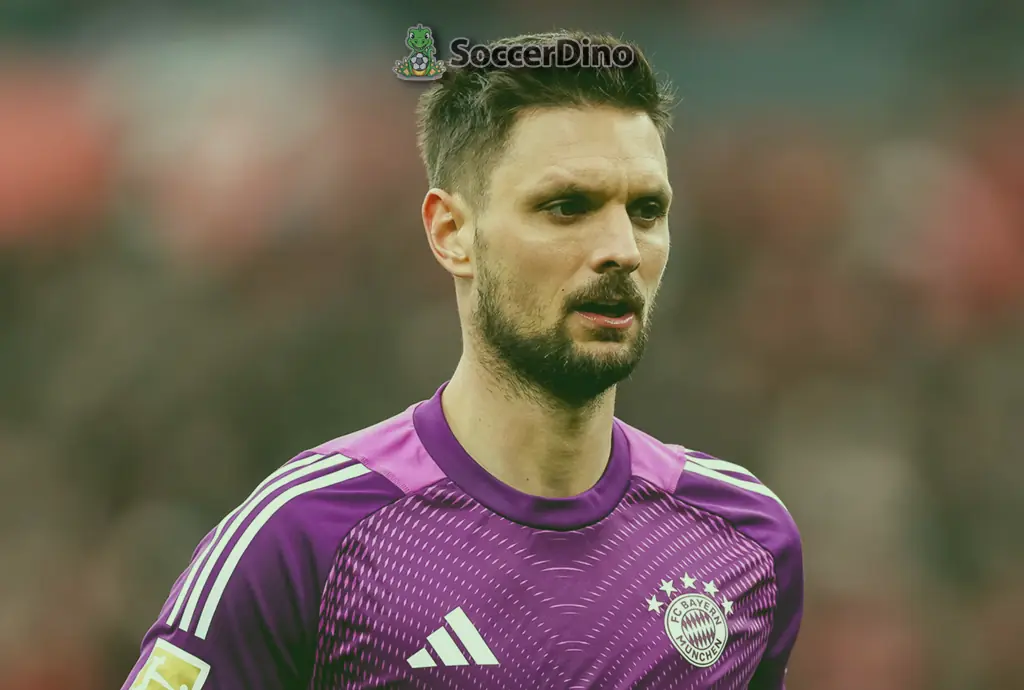
Bayern Munich are facing an increasingly unusual and potentially delicate situation ahead of the second leg of their Champions League round of 16 tie against Atalanta, with all three senior goalkeepers currently unavailable through injury.
What at first looked like an isolated setback has now developed into a genuine selection concern for the German giants, after Sven Ulreich joined Manuel Neuer and Jonas Urbig on the injury list.
The latest blow came during Bayerns 1-1 draw against Bayer Leverkusen, a demanding domestic fixture that ended with more frustration than satisfaction for the Munich side. On Sunday, Bayern confirmed that Ulreich had suffered a torn muscle fibre in the adductors of his right leg. It is another unwelcome problem for a squad that, despite its quality and depth in many positions, is now dealing with a very specific crisis in one of the most sensitive roles on the pitch.
Ulreich is thirty seven years old and one of the most experienced figures in the squad. Over the years, he has often operated in the shadow of Manuel Neuer, but he has repeatedly shown his value as a dependable back up capable of stepping in when required. His presence has always offered Bayern a degree of security, especially during periods when Neuer has been unavailable. Now, with Ulreich also ruled out, that safety net has disappeared, leaving the club in a highly unusual position for such a decisive stage of the season.
The wider context makes the situation even more striking. Manuel Neuer remains one of the defining goalkeepers of his generation and has been central to Bayerns success for well over a decade. Even at this stage of his career, his authority, command of the box, shot stopping, distribution and leadership continue to shape the teams defensive structure. When Neuer is absent, Bayern do not just lose a goalkeeper. They lose an organiser, a calm reference point and a player whose mere presence changes the teams confidence.
Jonas Urbig, meanwhile, had been viewed as a potential solution while Neuer remained sidelined, but he too is currently struggling with injury. That means Bayern are now in the uncomfortable position of waiting to see whether he can recover in time for one of the most important matches of their European campaign. If he does not make it back, the coaching staff may have no option but to turn to youth.
That possibility brings two names into immediate focus. Nineteen year old Jannis Bärtl and sixteen year old Leonard Prescott could be called up for the second leg against Atalanta if Urbig is not fit. Under normal circumstances, being included in a Champions League squad for Bayern Munich would be a remarkable milestone for any young goalkeeper. In the current situation, however, it could become much more than a symbolic promotion. One of them may have to operate in and around a high pressure match with enormous expectations, intense scrutiny and the knowledge that any error could be decisive.
Bayern also have another young goalkeeper in the wider picture, nineteen year old Leon Klanac, but he is also injured. That detail further highlights how severe the current problem has become. It is one thing to lose a first choice keeper and his immediate replacement. It is another to find that the next available alternatives are also affected, forcing the club to look deeper and deeper into its ranks in search of a workable solution.
Even so, Bayern can at least approach the second leg against Atalanta with a significant cushion. Their emphatic 6 to 1 victory in Italy in the first leg has placed them in a commanding position in the tie. That result should, in theory, give the team a margin for error and reduce some of the pressure on whoever ends up starting in goal. A five goal advantage is enormous at this level and means Bayern do not need to chase the game or take unnecessary risks. They can approach the return leg with a focus on control, game management and defensive structure rather than desperation.
Still, that does not mean the goalkeeping issue can be dismissed. Champions League matches have a way of becoming complicated very quickly, especially if an underdog finds an early goal or senses vulnerability. If Atalanta score first, even a tie that looks almost decided on paper can begin to feel more tense. In that kind of environment, the stability of the goalkeeper becomes even more important. Communication with the back line, decision making under crosses, reactions in one against one situations and the ability to calm the rhythm of the game all matter greatly.
That is why Bayern will be keen to have as much clarity as possible over Urbigs condition before the second leg. If he can recover in time, even if not at full rhythm, he would offer a more natural bridge between the absent senior names and the very inexperienced alternatives. If he cannot, Bayern may have to rely on raw talent, training ground preparation and the collective strength of the team in front of the goalkeeper to get the job done.
From a broader perspective, this situation is another reminder that squad planning is never just about star players and attacking options. Elite clubs often build their reputations on world class forwards, creative midfielders and dominant defenders, but knockout football can also turn on depth in specialist positions. Goalkeeper is perhaps the clearest example of that. There is only one place in the starting eleven for a keeper, which means rotation is limited and injuries can create a chain reaction very quickly. When multiple absences happen at the same time, even the strongest clubs can find themselves exposed.
For Bayern, the hope will be that the quality elsewhere in the squad makes this issue manageable for at least one night. A team with so much international experience, attacking firepower and tactical maturity should still be able to protect a commanding advantage. The defenders will know they may need to offer extra protection. The midfield may need to control possession more carefully. The entire side may need to play with slightly more discipline to ensure that whoever stands in goal is not left dealing with a barrage of dangerous situations.
There is also a human side to the story. For young goalkeepers like Bärtl or Prescott, this is the kind of moment that can define an early career. It is an opportunity born out of difficult circumstances, but also a chance to show composure at the highest level. Bayern will not want to place too much pressure on them, yet football history is full of young players who stepped into unexpected moments and emerged with reputations transformed.
For now, though, the main emotion around Bayern is concern rather than excitement. Losing Neuer was already significant. Losing Urbig made the situation more complicated. Losing Ulreich has turned it into a genuine selection crisis. With Klanac also sidelined, Bayern are walking into a crucial European fixture with their goalkeeping depth stretched to the limit.
The first leg result means the German side remain overwhelming favourites to progress, and that should not be forgotten. A 6 to 1 win away from home against Atalanta is the kind of result that usually leaves little room for drama in the return match. But Bayern will still want to avoid any signs of instability, especially in a position as central and psychologically important as goalkeeper. Over the next few days, much of the attention around the club will be focused not on tactics or attacking combinations, but on fitness updates, recovery timelines and one pressing question: who will be in goal when the second leg begins.