Botafogo confirm Davide Ancelotti’s departure after one season, with reports linking the split to a dispute over fitness staff changes and injury concerns during the 2025 season.
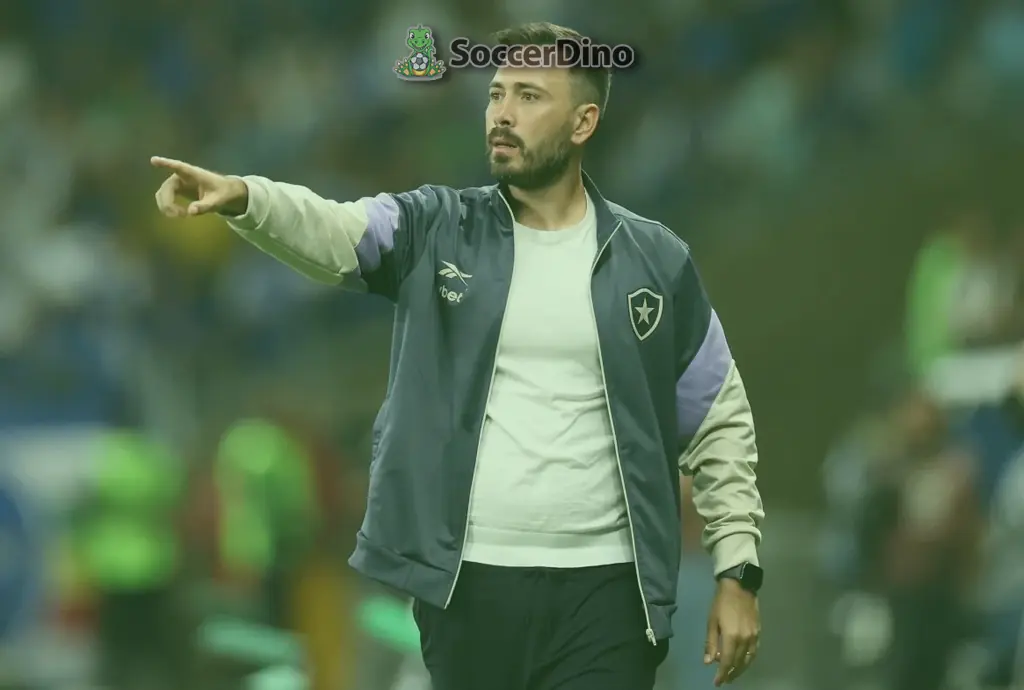
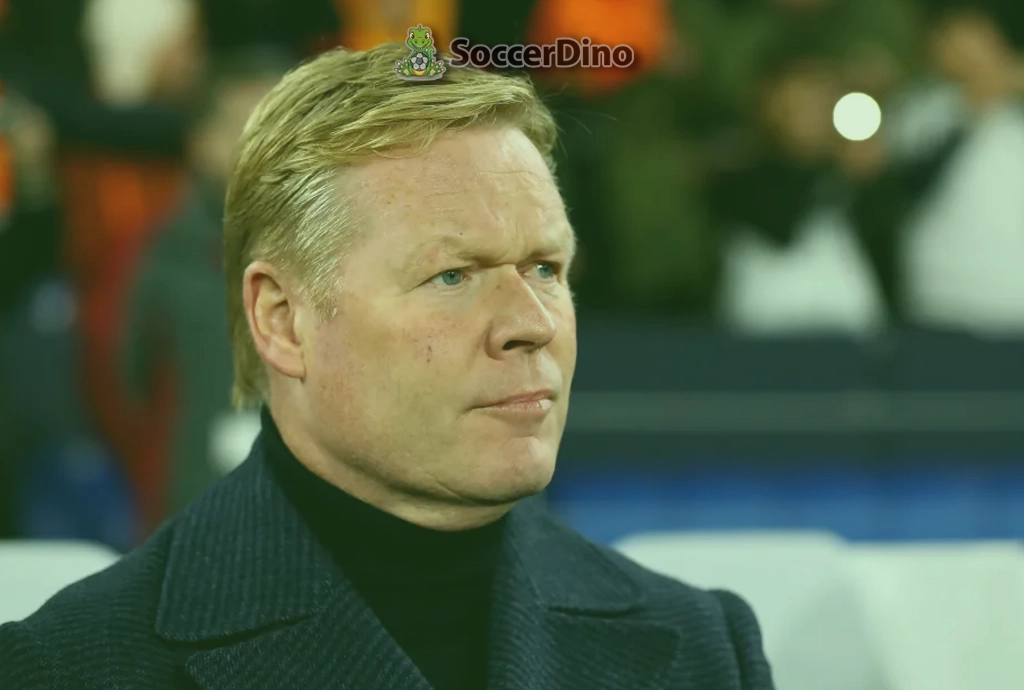
Botafogo confirmed on Wednesday that head coach Davide Ancelotti has left the club after a single season in charge, closing what was the 36 year old Italian’s first experience as a senior head coach.
Ancelotti guided the Rio de Janeiro side through the 2025 campaign and finished sixth in the Brazilian Serie A, a position that keeps Botafogo in the continental conversation but still left a sense of unfinished business inside a club that has been pushing to remain among the country’s elite.
For Ancelotti, the role represented a major step out of the shadow of his father, Carlo Ancelotti. After years working as an assistant at the highest level, building a reputation for tactical detail, man management support, and an ability to help elite squads translate training ideas into match execution, Botafogo was the first chance to fully own a project. That context is important because it helps explain why his exit is being framed as more than a simple end of contract situation. It is, in effect, the end of a first attempt to define his own managerial identity in a demanding environment where the margin for error is small.
The most widely reported reason for the separation is not the league position itself but a disagreement over the club’s performance structure, specifically the fitness department. According to Brazilian media accounts, Botafogo decided it needed to change its physical preparation setup after a season in which injuries became a recurring issue, particularly in the second half of the year. The club’s leadership reportedly concluded that the volume and frequency of physical problems were too costly in terms of continuity, match intensity, and player availability. In Brazil, where the calendar is heavy, travel demands are significant, and competitive rhythm is relentless, losing key players to muscular issues can quickly change a team’s ceiling.
Ancelotti, however, is said to have taken a firm stance in defense of his fitness coach, Luca Guerra. The reported sequence is that he did not agree with Guerra’s removal and communicated to the club that if the fitness coach was being replaced, he would not remain either. That decision appears to have surprised people around Botafogo because the club was interested in keeping Ancelotti as head coach. In other words, the club wanted continuity in the top role but was prepared to intervene in the backroom structure, while the coach considered that structure central to how he wanted the team to work.
This kind of conflict is increasingly common in modern football. Clubs are more inclined than ever to treat sports science, medical departments, and physical preparation as institutional assets rather than coach dependent roles. Meanwhile, coaches often view their performance staff as inseparable from their training model and match approach. A head coach might accept changes in scouting or analysis, but physical preparation goes directly to how a team presses, how it manages transitions, how it sustains intensity late in games, and how it survives a long season. When injuries rise, responsibility is rarely assigned to one factor alone, but the fitness area becomes the most visible pressure point, and a club may prefer structural change rather than accepting another season with similar risk.
In Botafogo’s case, the disagreement seems to have reached a level where neither side wanted to compromise. The club did not want to reverse its decision, and Ancelotti did not want to continue without the staff member he trusted. The result is a clean break that forces Botafogo into a new search and forces Ancelotti to decide what his next step looks like after a first season that, while respectable in the league table, ended with a clear internal rupture.
From a sporting perspective, finishing sixth is neither a disaster nor a triumph for a club with Botafogo’s ambition. It suggests competence and competitiveness but also hints at inconsistency or limitations, especially when measured against the top of the table. The injuries, as reported, likely contributed to that picture: rotating lineups, disrupted partnerships, and a reduced ability to maintain a stable tactical identity over months. Even a well organized side can lose its edge if the physical base is compromised or if key players are repeatedly unavailable.
The immediate consequence is that Botafogo now faces a critical transition moment. The club will need to appoint a new head coach, decide whether to keep any of the current methodological approach, and rebuild the performance team around the new vision, all while preparing preseason planning and squad decisions. A new coaching staff typically comes with different priorities: some will demand reinforcements in certain positions, others will want to reshape the pressing structure, and nearly all will revisit conditioning and injury prevention processes. That can lead to a period of uncertainty, but it can also be an opportunity to reset standards and create a clearer alignment between leadership and technical direction.
For Davide Ancelotti, leaving after one season creates an unusual profile. He can point to a top six finish in a major South American league as proof he can compete as a head coach, but he will also be judged on the circumstances of his departure. Some will interpret his stance as principled and loyal to his staff, an insistence on coherence and trust within his working structure. Others will see it as a sign of inflexibility in an environment where clubs increasingly expect coaches to adapt to institutional decisions. How that narrative lands will matter for his next role, whether he continues as a head coach elsewhere or returns temporarily to a supporting position.
Ultimately, Botafogo’s announcement is not just a routine coaching change. It is a reminder that, at the top level, results, performance management, and internal governance are tightly linked. A season can be judged not only by the final league position, but also by how consistently the team can train, recover, and keep players available. In this case, the club’s response to the injury picture and the coach’s response to the club’s intervention appear to have collided, and the fallout is the end of a project that was only one season old.