Latest on William Saliba injury scare and what his possible World Cup absence could mean for France, Arsenal and potential replacements.
William Saliba injury scare raises concern for France ahead of 2026 World Cup
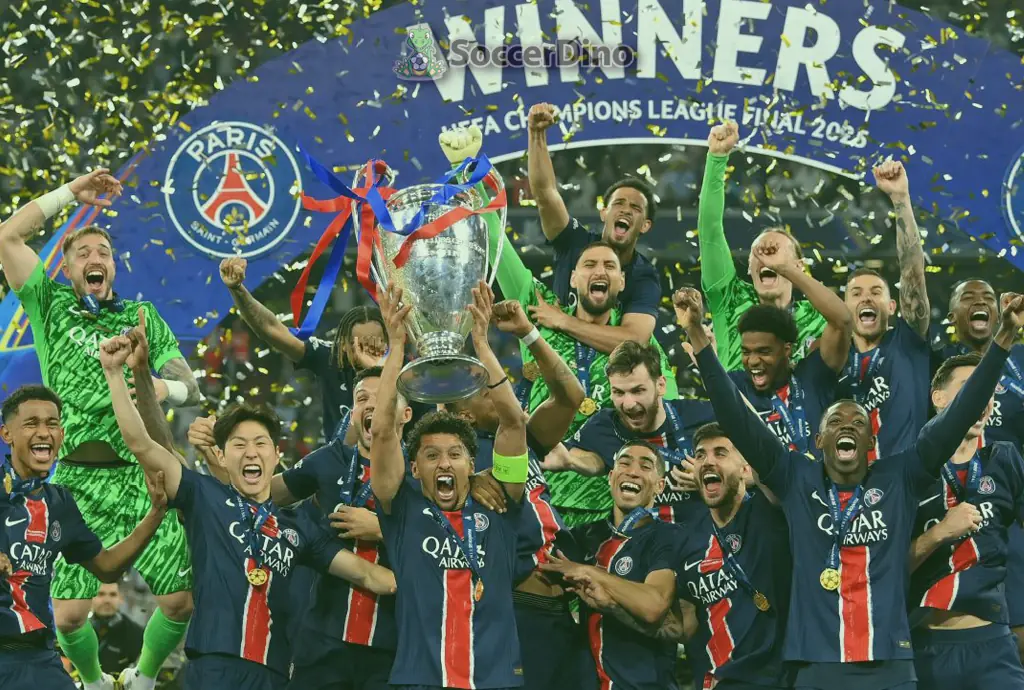
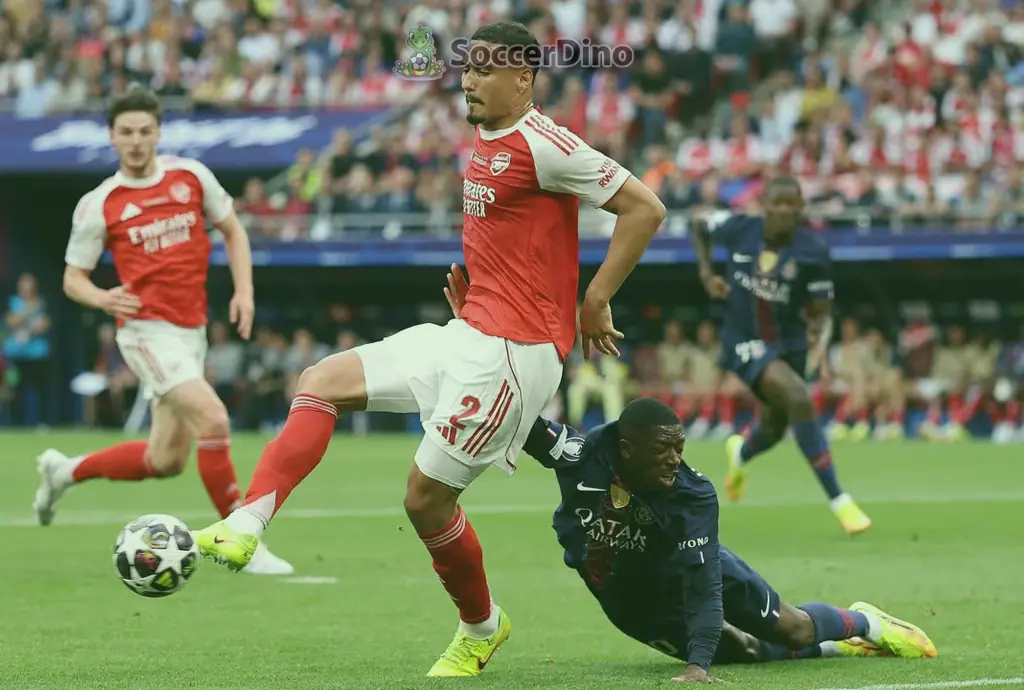
Alarm bells are ringing for the French national team after reports in France claimed that William Saliba may have aggravated a pre-existing injury during the Champions League final against PSG. The Arsenal centre-back, one of the most reliable defenders in European football in recent seasons, is now facing an uncertain period, with his availability for the 2026 World Cup potentially at risk if the injury proves more serious than initially expected.
For France, the situation is naturally a major concern. Saliba has become an increasingly important figure in the national team setup, offering a combination of physical strength, composure on the ball, defensive intelligence and experience at the highest level. In a tournament as demanding as the World Cup, losing a defender of his quality would represent a significant blow, particularly for a side that expects to compete deep into the competition.
The concern is not simply that Saliba picked up a fresh problem. According to the French press, the Arsenal defender was already managing an existing physical issue before the Champions League final and may have worsened it during the match against PSG. That detail makes the case more delicate, because aggravating an injury can often lead to a longer recovery period than a straightforward minor knock.
At this stage, France will be waiting for clearer medical information before drawing firm conclusions. However, the timing could hardly be more sensitive. Major international tournaments place enormous pressure on players, clubs and national teams, and any uncertainty around a key defender immediately becomes a major talking point. Didier Deschamps and his staff will not want to rush into decisions, but they will also need to prepare for every possible scenario.
A key defensive figure for club and country
Saliba’s importance has grown significantly because of the maturity he has shown at Arsenal. Still only in the early stages of what could become a long elite-level career, he already plays with the calmness of a much more experienced defender. His reading of the game, ability to defend large spaces and quality in possession have made him central to Arsenal’s defensive structure.
His numbers this season also show how heavily Arsenal relied on him. Saliba played 50 matches for the Gunners, contributing one goal and one assist, while also helping the club win the Premier League. That level of involvement underlines both his importance and the physical load he has carried across a demanding campaign.
Playing 50 matches in a season is a major test for any footballer, especially for a central defender competing at the highest level in domestic and European competitions. Every match brings repeated sprints, aerial duels, tackles, changes of direction and physical contact. When a player is already carrying a pre-existing injury, that accumulation of stress can become dangerous.
That is why the latest reports will be taken seriously by both Arsenal and France. The club will want to protect one of its most valuable players, while the national team will be hoping that the issue can be managed in time for the World Cup. The priority now will be to understand the full extent of the problem and avoid any decision that could make the situation worse.
France may need to prepare alternatives
If Saliba is eventually ruled out of the tournament, France will have to consider alternative options in central defence. Castello Lukeba, currently at Leipzig, and Axel Disasi, who has been linked with the role after his season at West Ham, are being mentioned as possible candidates to replace the Arsenal defender in the squad.
Lukeba would offer a younger and more progressive profile. He is comfortable defending aggressively, has the mobility to cover space and is regarded as one of the promising French defenders of his generation. His inclusion would represent a long-term option, but a World Cup is never an easy environment for a player who may have to step into a major role under pressure.
Disasi, meanwhile, would bring greater physical presence and experience. He is a powerful defender, used to dealing with direct opponents and aerial battles. In tournament football, where matches can become tense and decided by small moments, that kind of profile can be valuable. However, replacing Saliba would not be a simple like-for-like change, because the Arsenal defender offers a rare balance between defensive security and calm build-up play.
That is the central problem for France. Saliba is not just another centre-back. He gives the team control. He allows the defensive line to hold higher positions, helps the team play out from the back and rarely looks uncomfortable when pressed. Losing him would not only affect the back four; it could influence the way France build attacks and manage transitions.
A difficult decision for Deschamps
For Didier Deschamps, the situation creates a familiar but difficult tournament dilemma. Every major competition brings late injury scares, and coaches often have to decide whether to wait for a key player or move on quickly with a fully fit replacement. With Saliba, that decision would be particularly important because of the role he can play in the starting eleven.
If the injury is minor and the recovery period is short, France will almost certainly do everything possible to keep him involved. But if there is any risk of recurrence or if his fitness remains doubtful close to the tournament, the coaching staff will have to weigh the danger of taking a player who may not be able to perform at full intensity.
World Cup squads require balance. A coach cannot afford too many players carrying physical doubts, especially in defensive positions where rhythm, sharpness and communication are essential. A centre-back who is not fully fit can be exposed quickly, particularly against teams with pace, movement and aggressive pressing.
France have enough depth to absorb many problems, but replacing a player of Saliba’s level is never straightforward. His absence would force adjustments, possibly in personnel, tactical structure and defensive partnerships. It could also place more responsibility on the remaining senior defenders in the squad.
Arsenal will also be watching closely
The concern does not end with France. Arsenal will also be following the situation carefully. Saliba has become one of the pillars of the team, and any long-term injury would have consequences beyond the international stage. After a season in which he played 50 matches and helped Arsenal win the Premier League, the club will want to make sure that his recovery is handled with caution.
Modern football leaves very little room for rest. Players at elite clubs often move from domestic competitions to European finals, then into international tournaments, and then quickly back into pre-season preparation. That schedule increases the risk of fatigue-related injuries and makes proper recovery management more important than ever.
For Saliba, the next medical assessments could therefore be decisive. Arsenal will want clarity on whether the injury requires treatment, rest or a longer rehabilitation process. France, meanwhile, will be hoping that the issue can be controlled without ruling him out of the World Cup.
A major worry before a decisive tournament
For now, the story remains one of concern rather than certainty. Saliba has not yet been definitively ruled out, but the fact that his presence at the 2026 World Cup is being questioned is enough to create anxiety around the French camp. In a squad full of talent and ambition, he is one of the players capable of giving the team defensive authority at the highest level.
France will know that World Cups are often decided by fine margins. A defensive mistake, a lost duel, a poorly defended set piece or a moment of hesitation can change an entire campaign. That is why having a centre-back like Saliba available and fully fit would be so important.
If he recovers in time, the episode may simply become a brief scare before the tournament. If the injury is more serious, however, France will have to rethink part of their defensive plan and rely on alternatives such as Lukeba or Disasi to fill the gap.
Either way, Saliba’s condition will now be followed closely in France, England and across Europe. For Arsenal, he is a cornerstone of the present and future. For France, he could be one of the defensive leaders of a World Cup campaign. That is why even the possibility of losing him has already been enough to make the alarm bells ring.