Pep Guardiola refused to be drawn on January transfer rumours linking Antoine Semenyo to Manchester City, stressing the window is closed, as the Bournemouth forward shines with 9 goals and 3 assists in 19 appearances.
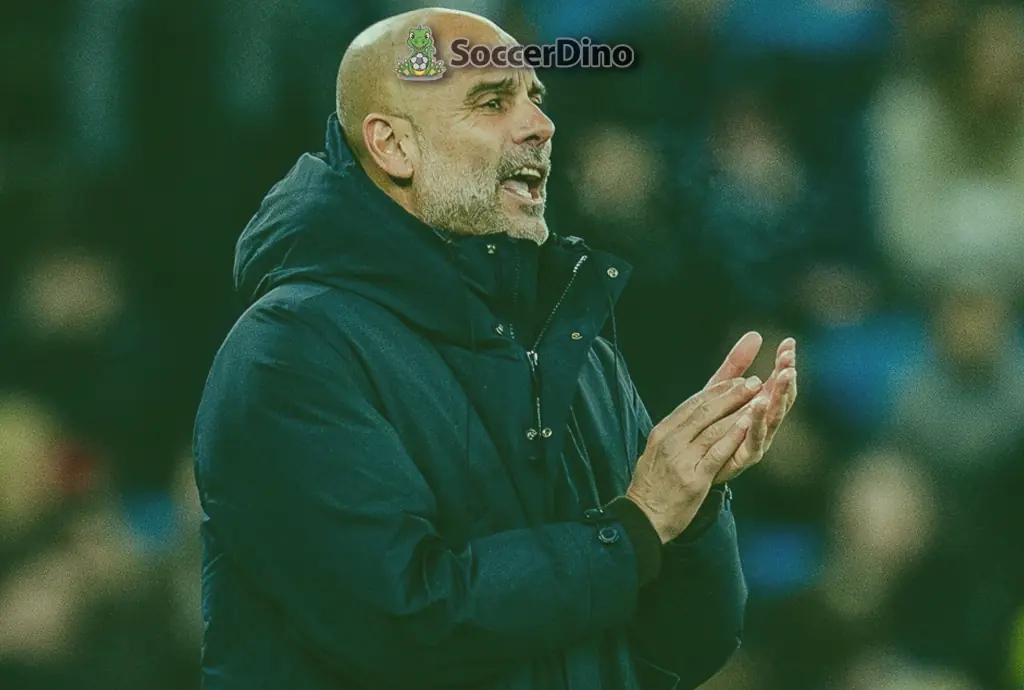
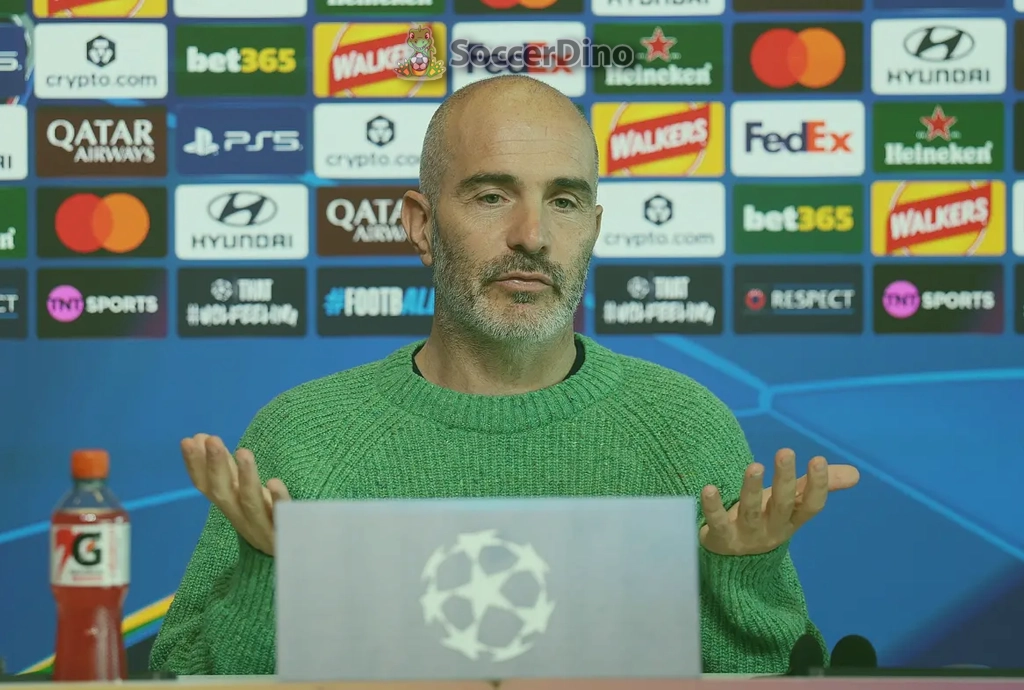
Pep Guardiola used his pre match press conference ahead of the Premier League round 19 meeting with Sunderland to draw a clear line between speculation and reality, after being asked about reports linking Antoine Semenyo with a January move to Manchester City.
Rather than addressing the rumour directly, Guardiola focused on the relationship between managers and media coverage, signalling that he was not prepared to provide soundbites that could be reshaped into definitive headlines. His response was pointed and controlled: he noted the outlet involved, then warned that comments are often presented in a way that ends up meaning the opposite of what was intended. He closed the door firmly by stressing that, at this moment, the transfer window is closed.
That tone is typical of Guardiola when a question involves an active market narrative. Even when a club is planning recruitment, managers rarely confirm interest in a named player publicly. Any confirmation can influence negotiations, unsettle the player, complicate relationships with the current club, or create unnecessary noise inside the dressing room. From Guardiolas perspective, the priority is protecting preparation for the next match, not feeding a story cycle that can last for weeks.
The timing of the question also matters. A December press conference, with a heavy schedule and multiple competitions in play, is not an environment where Guardiola wants attention drifting away from performance standards, minutes management, and tactical focus. Even if a January plan exists behind the scenes, Guardiola typically chooses to keep the conversation centered on training quality, game state management, and the immediate opponent. In other words, if there is recruitment work happening, he prefers it to remain the business of club executives rather than a public topic.
Still, the fact that Semenyo is being discussed in the same breath as Manchester City says a lot about the season he is having at Bournemouth. The 25 year old Ghanaian forward has been one of the standout attackers in the Premier League, producing output as well as impact. Across all competitions he has 19 appearances, with 9 goals and 3 assists, numbers that underline both his finishing and his ability to contribute to chance creation.
Beyond the statistics, Semenyo has built a reputation as a forward who can stretch a back line, carry the ball at speed, and attack space aggressively. For a team like Bournemouth, that profile is valuable because it can turn limited possession into genuine threat. For a team like Manchester City, if the interest is real, the appeal would be different: a player who can add directness, vertical running, and physical edge in matches where opponents defend deep and transitions are rare but decisive.
If Semenyo were ever to be considered for a Guardiola side, the biggest question would not be talent, it would be fit. Guardiola demands precision in positioning, discipline in pressing structure, and a strong understanding of when to hold width, when to occupy the half space, and when to attack the central lane. Many attackers look excellent in open patterns but need time to adjust to City style demands, where spacing and decision making are heavily coached and constantly evaluated.
There is also the question of role. At Manchester City, attacking minutes are shared across multiple high level options, and the demands of rotation are relentless. A forward joining in January would need to accept competition immediately, contribute without long bedding in, and offer something specific that the current group needs. That could be pace in behind, intensity in the first line of pressure, or a different type of threat against low blocks. Semenyo can plausibly fit parts of that brief, but the transition from leading the line or being a primary outlet to becoming one of several weapons in a structured attack is significant.
From Bournemouth perspective, any January interest in a key attacker creates its own tension. Clubs outside the traditional top tier often face a familiar dilemma: keep the player to protect results and momentum, or sell at the point of maximum market leverage. The moment a player becomes a headline link to a club like Manchester City, the conversation shifts from performance to valuation, squad planning, and replacement strategy. Even if a move never happens, the noise can become a distraction, which is another reason Guardiola prefers not to give it oxygen.
That brings the story back to what Guardiola actually did, which was deflect, control, and refocus. His message was not subtle: do not read transfer confirmation into his words, and do not expect him to participate in narratives built on unnamed sources and market momentum. By insisting the window is closed right now, he reminded everyone that the immediate reality is Sunderland and the Premier League schedule, not hypothetical January deals.
For Manchester City, the broader context is simple: the club are always monitoring profiles that can raise the level, protect against injuries, and refresh competition in key positions. For Semenyo, the context is equally clear: strong output at Bournemouth has elevated his standing, and with that comes attention, rumours, and scrutiny. Whether the link has substance or not, this is the normal consequence of a breakout season in Englands top flight.
In the short term, the only concrete takeaway is that Guardiola is not engaging. He has drawn a boundary, not because the question is irrelevant to fans, but because public detail rarely helps a club, a coach, or a player when the market starts to spin.