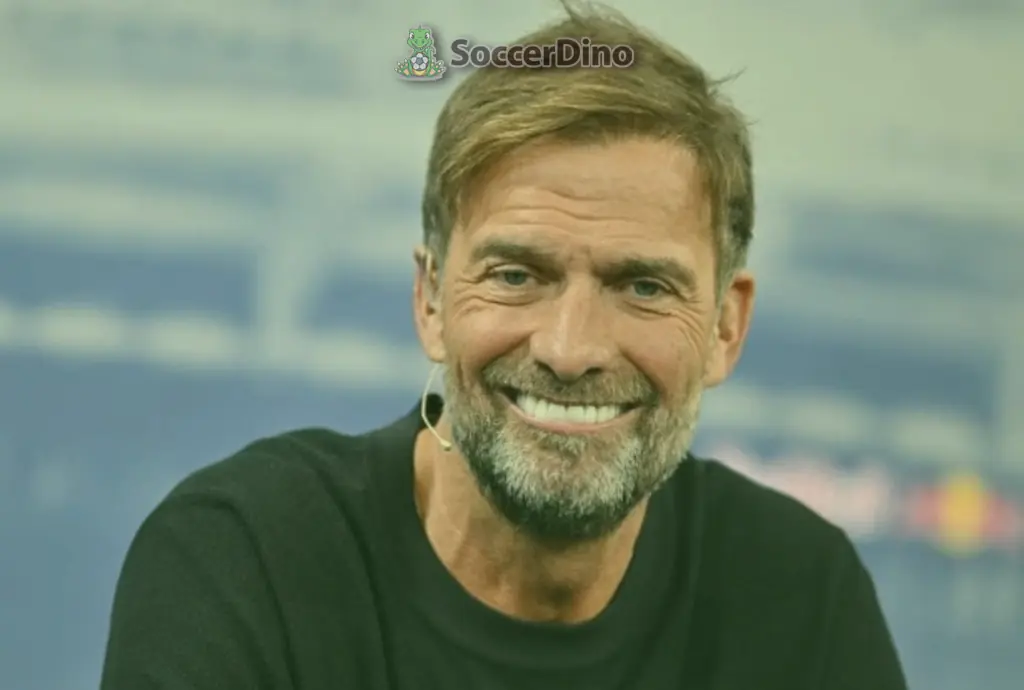
Thierry Henry has made it clear with an analysis as simple as it is devastating where Cristiano Ronaldo falls short. According to the French legend, the Portuguese star is too focused on himself instead of the good of the team.
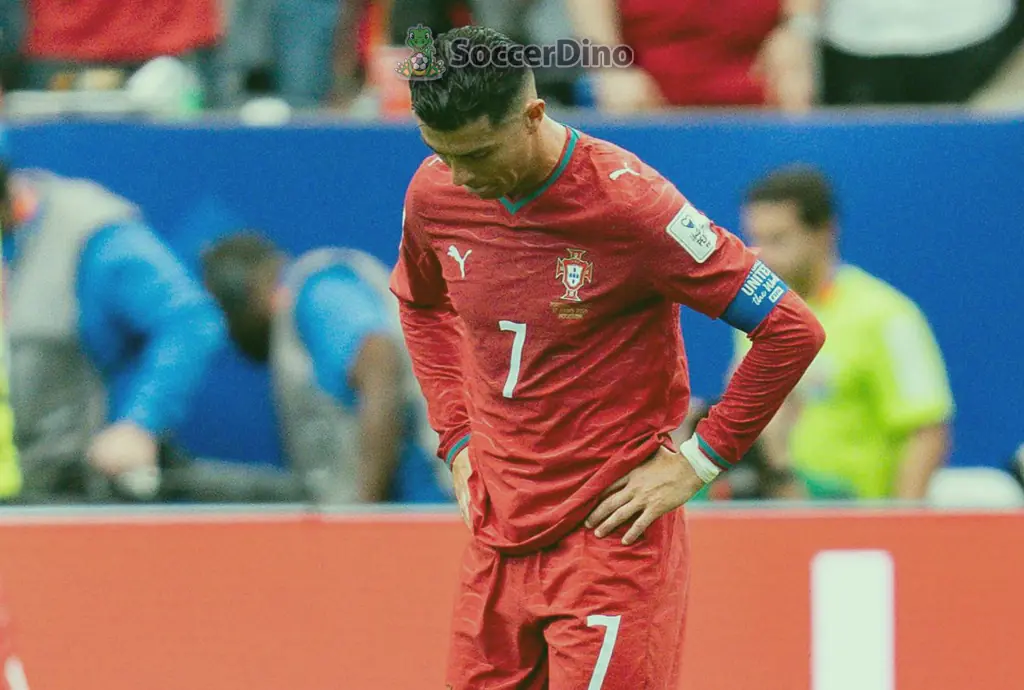
Henry criticises Ronaldo after Portugal stumble against DR Congo
Portugal began its World Cup campaign with a result that immediately raised questions, frustration and debate. A 1-1 draw against DR Congo was not the start Roberto Martínez and his players wanted, especially after João Neves had given the Portuguese side an early advantage and seemed to put the match on a familiar path. Portugal had control, technical superiority and enough attacking talent on the pitch to manage the game with authority, but the evening slowly turned into a much more uncomfortable test than expected.
DR Congo refused to accept the role of outsider. After conceding early, the African side grew into the match with courage, physical presence and a clear willingness to challenge Portugal in every duel. The equaliser from Yoane Wissa, who powered home a header to make it 1-1, was more than just a goal. It was a symbol of the way DR Congo fought back into the contest and announced its return to the biggest stage of international football with personality. Having last appeared at this level in 1974 under the name Zaire, DR Congo made sure its comeback would not pass quietly.
For Portugal, however, the final whistle brought a very different feeling. The draw felt like two points dropped, not one point gained. The team had taken the lead, had enough experience to control the rhythm and possessed attacking players capable of deciding the match in several different ways. Instead, Portugal became predictable in key moments, struggled to turn possession into clarity and ended the game surrounded by criticism.
Much of that criticism quickly focused on Cristiano Ronaldo. The 41-year-old forward remained on the pitch for the full 90 minutes, a decision that surprised many observers in Portugal. Ronaldo remains the most famous figure in the national team and the greatest goalscorer in the history of Portuguese football, but his role continues to divide opinion. Every match in which Portugal fails to win now brings the same question back to the surface: is the team still being built around Ronaldo because he remains decisive, or because his status makes it almost impossible to treat him like any other player?
That debate became even louder after Thierry Henry analysed one specific moment from the second half on FOX Sports. The former Arsenal striker, widely regarded as one of the most complete forwards of his generation, did not focus only on the missed chance itself. Instead, Henry looked at the movement before the shot, the decision-making inside the box and the way Ronaldo appeared to prioritise his own chance to score over the better option for the team.
The move came when Francisco Conceição, introduced from the bench, attacked down the right side and managed to pull the ball back into a dangerous area. Bruno Fernandes was arriving in a central position and seemed ready to strike the ball with a much clearer angle. Ronaldo, however, moved towards the near post and ended up taking the shot himself. From that position, the finish was far more difficult. The ball went wide, and the reaction of Bruno Fernandes made the moment even more telling. The Manchester United midfielder looked visibly annoyed that the pass had not reached him.
For Henry, that was the heart of the problem. His message was blunt: the team has to score, not the individual. The French legend argued that Ronaldo should have used his run to create space, drag defenders away and make the situation easier for a teammate in a better position. Instead, by attacking the same zone and looking to finish the move himself, Ronaldo reduced the quality of the chance and made the defensive task simpler for DR Congo.
Henry did not speak as a former striker who does not understand the instinct to score. Quite the opposite. During his prime at Arsenal, Henry was a ruthless finisher, a player who carried enormous goalscoring responsibility and delivered decisive numbers season after season. But he was also a forward who understood space, timing and collective movement. He created goals as well as scoring them, and for long periods he was as admired for his assists and intelligence as for his finishing. That background gave weight to his criticism.
What made the analysis so damaging was its simplicity. Henry was not accusing Ronaldo of lacking quality, hunger or ambition. Those have never been the questions around him. The issue was whether that hunger, at this stage of his career, sometimes works against the collective needs of the team. In a tight match, when Portugal needed calm decision-making and efficient attacking choices, Ronaldo appeared to choose the route that gave him a possible goal rather than the route that gave Portugal the best chance of scoring.
That distinction matters. In tournament football, small details often decide everything. A run that opens space can be just as valuable as a shot. A dummy movement can be as important as a finish. A forward who does not touch the ball can still be the reason a teammate scores. Henry saw a moment where Ronaldo could have helped Portugal without being the final name on the scoresheet, but instead moved into the space where the attack became easier to defend.
The criticism also arrives at a sensitive time for Ronaldo. His international numbers remain extraordinary, and Roberto Martínez continues to defend him by pointing to his output. With 143 goals for Portugal and 13 goals in his last 17 international appearances, Ronaldo still has statistics that most forwards in world football would envy. On paper, it is easy to understand why the coach continues to trust him. He remains a unique presence in the penalty area, a player who can punish a mistake and who still carries enormous authority inside the squad.
But major tournaments are judged differently. Ronaldo has not scored in 11 matches at the European Championship or World Cup. His last goal at a major tournament came in the opening match of the 2022 World Cup against Ghana. Since then, he has gone 10 consecutive matches at the Euros or World Cup without finding the net, the longest such drought of his career. For a player whose reputation has been built on decisive moments, that statistic cannot be ignored.
This is why the discussion is no longer only about whether Ronaldo can still score goals for Portugal in general. He clearly can. The more difficult question is whether Portugal becomes more flexible, faster and more balanced when the attack is not constantly shaped around him. Against DR Congo, Portugal had creative players capable of finding different solutions, including Bruno Fernandes, Bernardo Silva, João Neves and Francisco Conceição. Yet the final third often seemed to narrow around the search for Ronaldo.
That is not always the fault of one player. Teams can become conditioned by habit. When a footballer has been the central reference point for almost two decades, teammates naturally look for him. Crosses go into his zone. Runs are made around his movements. Attacks are sometimes built with the expectation that he will provide the final action. But when the rhythm of the match demands variation, that same habit can make a team easier to read.
DR Congo benefited from that predictability. Once the match settled, the Congolese defenders became more comfortable dealing with Portugal attacks. They defended with commitment, closed central lanes and challenged aerial balls with determination. Portugal still created dangerous moments, but not enough clear chances for a team with such individual quality. The longer the match went on, the more frustration grew, and the more each missed opportunity carried emotional weight.
Ronaldo, of course, remains a player who divides analysis because of everything he has achieved. Any criticism of him is immediately measured against his career, his records and his historic importance to Portugal. He has delivered more than any Portuguese player before him. He has scored in impossible moments, carried the national team across generations and helped transform Portugal from an ambitious football nation into a permanent contender. None of that disappears because of one poor decision inside the box.
But elite football is not sentimental during a World Cup. Reputation does not finish chances. History does not press defenders. Past goals do not automatically solve present tactical problems. Portugal has a squad with enough quality to compete deep into the tournament, but that potential depends on decisions being made for the team rather than for legacy, symbolism or habit.
That is why Henrys analysis struck such a nerve. It was not loud, theatrical or needlessly personal. It was a football point made by someone who understands the position. A striker must want to score, but he must also know when not being the scorer creates the better chance. In that specific second-half move, Henry believed Ronaldo chose wrongly. For Portugal supporters already worried about the balance of the team, it was an uncomfortable but familiar concern.
Roberto Martínez now faces a delicate challenge. Publicly, he is unlikely to abandon or criticise Ronaldo. The forward still commands respect, still contributes goals and still brings a psychological weight that opponents feel. But privately, Portugal will need to examine whether the team can be more ruthless and less predictable in the next matches. That does not necessarily mean removing Ronaldo from the side. It may mean managing his minutes, adjusting his role or giving more freedom to the creative players around him.
The draw with DR Congo is not a disaster in isolation, but it is a warning. Tournament campaigns are not only shaped by the points gained in the opening match; they are shaped by the lessons a team is willing to accept early enough. Portugal showed enough quality to suggest it can improve, but also enough flaws to invite serious scrutiny. The defensive lapse, the lack of attacking clarity and the dependence on familiar patterns all need attention.
For DR Congo, the night will be remembered with pride. A point against Portugal, after falling behind early, is a strong statement. The team showed resilience, belief and enough organisation to frustrate one of the most talented squads in the tournament. Wissa will take the headlines for the goal, but the result belonged to a collective effort that refused to be overwhelmed by the occasion.
For Portugal, the headlines will be far less comfortable. The team expected to start with authority and instead opened the door to a debate that has followed it for some time. Ronaldo remains a legend, but every major tournament now tests the difference between what he has been and what Portugal currently needs. Henrys words captured that tension in one sharp idea: the priority must be the team scoring, not the individual chasing the goal.
That message will follow Portugal into its next match. Ronaldo may still respond in the way he has so often responded throughout his career, by scoring and silencing the criticism. But the broader issue will not disappear with one goal. Portugal has to find the right balance between honouring its greatest player and building the most functional team. After the 1-1 draw with DR Congo, that balance feels more important than ever.