Michael Carrick’s interim spell at Manchester United has sparked renewed belief after wins over Manchester City and Arsenal, while Ronaldo and Ferdinand back him and Roy Keane questions whether he has the stature for the job.
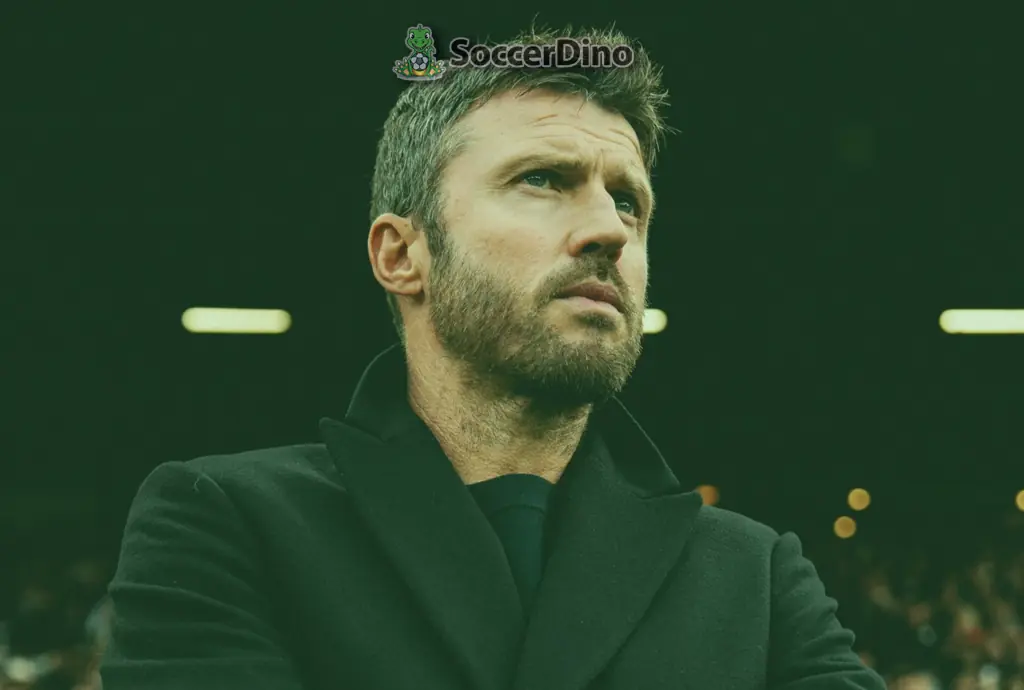
Michael Carrick’s sudden return to the Manchester United spotlight has reignited a familiar debate at Old Trafford: is the club better served by a famous, proven name, or by a coach who already understands the building from the inside and is showing immediate impact?
Even in an interim capacity, Carrick’s presence on the touchline has given United a noticeable lift. The results, at least on paper, have been striking. A derby win over Manchester City by 2-0, followed by a 3-2 victory away at Arsenal at the Emirates, delivered two statements in quick succession. Regardless of the wider context, wins like those tend to do two things at once. They buy time and calm internally, but they also magnify every decision that follows, because supporters and pundits immediately start asking whether the “interim” label is still appropriate.
The Arsenal win in particular added extra weight, because it was achieved against the league leaders and in one of the toughest atmospheres in England. For any manager, those are the nights that build credibility fast. For an interim coach, they can change the narrative from “caretaker” to “candidate” overnight.
Those two high profile victories have also brought back a comment that, at the time, felt like a respectful farewell, but now reads more like a prediction. In December 2021, Cristiano Ronaldo publicly praised Carrick in unusually strong terms, calling him an exceptional player and suggesting he could become a great coach, adding that nothing would be impossible for him. It was a significant endorsement because Ronaldo, even when supportive, rarely elevates someone without conviction. Coming from a dressing room culture where standards are unforgiving, that kind of backing tends to resonate with supporters and former players alike.
There is also an intriguing historical symmetry in the Arsenal connection. Carrick’s first short spell as United’s interim coach lasted only 2 matches and ended after a 3-2 win against Arsenal. Now, years later, another Carrick led United performance against Arsenal has again become a focal point of the conversation. The detail that Arsenal, under Mikel Arteta, have only lost 2 matches in which they scored 2 goals and both were against teams led by Carrick, is the kind of statistic that football fans remember. It gives the story a hook and reinforces the idea that Carrick, whatever his managerial ceiling turns out to be, has shown he can prepare a side to win difficult matches against elite opponents.
Carrick’s coaching journey has been gradual, not flashy. He built his reputation inside the club structure, working as an assistant under major managers such as Jose Mourinho and Ole Gunnar Solskjaer. That background matters because it suggests familiarity with elite level training demands, match preparation routines, and high pressure dressing room dynamics. It also means he has been exposed to different tactical frameworks and leadership styles, which can influence how he manages people as much as how he sets up a team.
His time at Middlesbrough further shaped perceptions of him as more than a former player trying management for the first time. Taking charge of a club with its own expectations, constraints, and pressures forces a coach to develop a clear identity. It demands not only tactics, but man management, recruitment collaboration, media handling, and a consistent training methodology. When a coach returns to a giant club after that kind of experience, he often arrives with sharper clarity about what works, what does not, and what kind of authority he needs to succeed.
This is why the reaction among United legends has been so intense. Ronaldo is not alone in publicly supporting Carrick. Rio Ferdinand has been one of the strongest voices defending the idea that Carrick deserves genuine consideration based on merit, not reputation. Ferdinand has long rated Carrick highly, even describing him in the past as the most underrated Premier League player, a label that fits Carrick’s career as a disciplined, intelligent midfielder who made teams function rather than dominating headlines.
Ferdinand’s main argument is about respect and logic. If a coach produces results, improves performances, and earns the dressing room, it is unreasonable to dismiss him simply because his name does not match the glamour profile of a superstar appointment. In other words, judging Carrick before he is allowed to build anything is not analysis, it is bias.
That point of view directly clashes with the more traditional stance voiced by Roy Keane. Speaking on Sky Sports, Keane argued that winning 2 matches is not enough and that even if Carrick delivered a top 4 finish, he still would not be convinced Carrick is the right man. Keane’s core claim is that Manchester United need a manager with a bigger name.
Keane’s position reflects a long running belief about elite clubs: that the job is so demanding, so politically complex, and so relentlessly scrutinised that only a manager with an established, trophy backed reputation can handle it. In that framing, a “big name” does not just mean brand value. It means someone with a proven ability to survive crises, manage elite egos, and maintain authority when results dip.
Ferdinand’s response was immediate and sharp. He criticised the attitude that it does not matter what Carrick does, he still should not get the chance. He called it incredibly disrespectful and challenged the logic behind dismissing Carrick regardless of evidence. The exchange captures a broader tension inside modern football commentary: do you appoint based on track record alone, or do you reward competence and growth when it is visible in front of you?
From United’s perspective, the issue is not emotional. It is strategic and operational. The club’s recent history has shown that famous appointments do not automatically translate into stability. Equally, sentimental choices can backfire if they are not backed by elite coaching structures. If Carrick is to be considered seriously, the evaluation must go beyond 2 results. It would need to include training quality, tactical detail, in game decision making, fitness management, squad harmony, and the ability to deliver consistent standards over months, not days.
There is also the question of style and identity. United supporters often talk about the club’s “way” without always defining it, but the reality is that modern success requires more than tradition. It requires a coherent model: how the team presses, how it builds attacks, how it defends transitions, how it develops young players, and how it recruits to fit a plan. An interim spell can show flashes, but a long term appointment requires confidence that the manager can build a system and sustain it.
For Carrick, the opportunity is obvious. High quality wins create momentum and credibility. The risk is just as obvious. At Manchester United, momentum can turn into pressure instantly. A few poor results can flip the narrative from romantic to ruthless. That is precisely why the debate is so intense right now. Supporters can see the potential upside of a calm, intelligent, club aligned leader. Critics fear repeating past mistakes by choosing familiarity over proven elite management pedigree.
What is undeniable is that Carrick has forced the conversation. Two big wins, a revived sense of belief, and public backing from figures like Ronaldo and Ferdinand have made it impossible to treat him as a temporary placeholder. Whether United ultimately choose a globally established manager or decide that Carrick deserves the chance to build something, the next phase will hinge on evidence: performances, consistency, and the club’s willingness to judge the job by what is happening on the pitch rather than the size of the name on the contract.