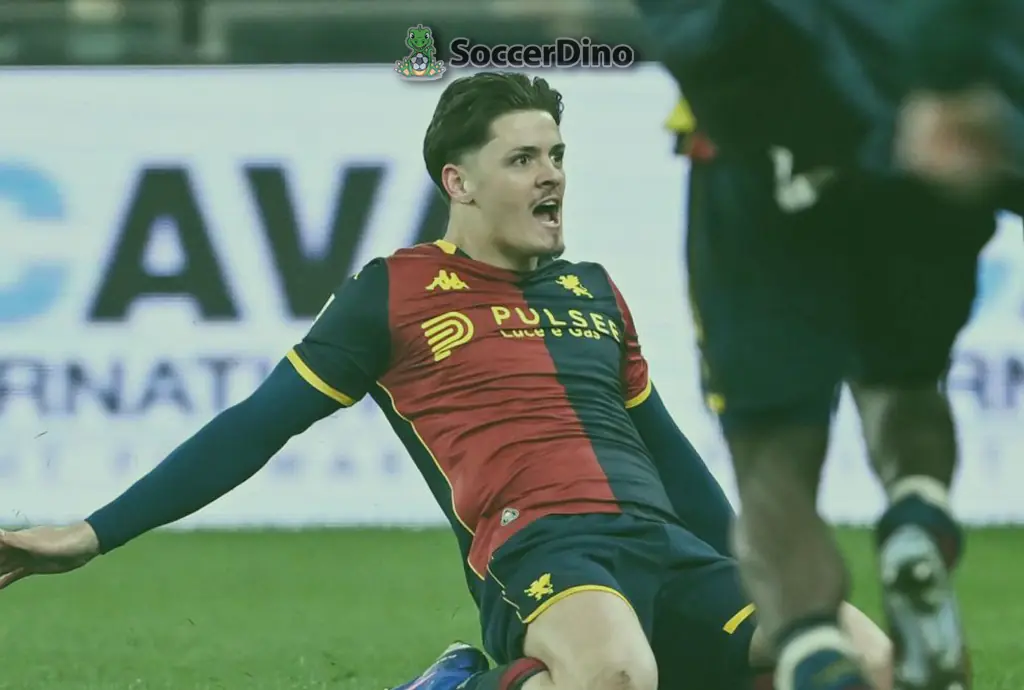
Barcelona beat Oviedo 3-0 to return to the top of La Liga as Dani Olmo and Raphinha punished errors before Lamine Yamals stunning finish.
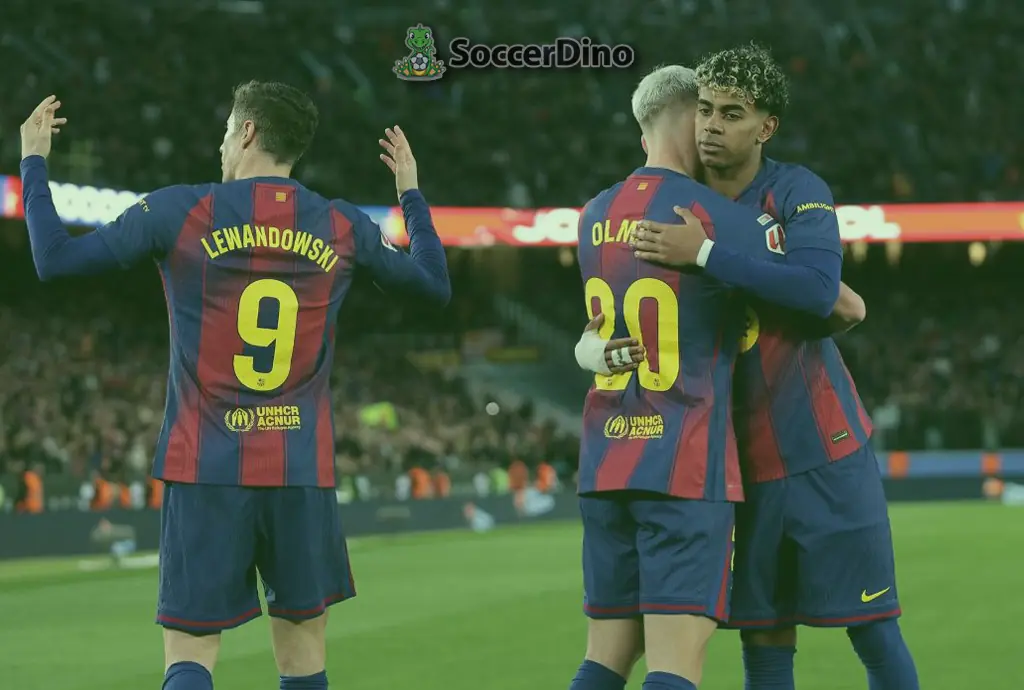
Barcelona moved back to the top of La Liga with a controlled 3-0 home win over Oviedo, a match that only truly opened up after the break but ultimately showcased the Catalans’ patience, their ability to punish errors, and the kind of individual brilliance that can define a title race.
With Real Madrid applying pressure in the chasing pack, Hansi Flick’s side knew that anything less than three points against the league’s bottom club would have been a missed opportunity. They delivered the result, and they did it in a way that underlined the growing authority of Flick’s project.
The first half, however, was far from straightforward. Barcelona dominated possession and spent long stretches camped in Oviedo’s half, but the visitors approached the match with a clear survival plan: defend deep, keep their lines compact, and try to frustrate the home side into forcing passes or taking low percentage shots. For Barcelona, the tempo was decent but not quite sharp enough to slice through consistently. The ball moved side to side, full backs pushed high, and there were moments of promise in the half spaces, yet clear cut chances were limited. Oviedo, despite being under pressure, did enough to reach the interval still level, and that alone gave them a small psychological boost.
Flick’s Barcelona did not panic. The message after half time was evident in the first minutes of the second half: increase the intensity of the press, circulate the ball faster, and turn Oviedo’s defensive work into fatigue. That shift paid off quickly, not through a perfect attacking move, but through the kind of mistake top teams are built to exploit. In the 52nd minute, Oviedo tried to play out from the back and got it badly wrong. Portuguese Angolan defender David Carmo was at the centre of the breakdown, misjudging the pass and inviting pressure, and Dani Olmo reacted first. The Spanish midfielder did not hesitate, taking advantage of the loose situation and finishing to give Barcelona the lead. It was a classic second half opener: the goal that forces a defensive team to abandon its comfort zone and rethink its approach.
What followed was perhaps the most decisive stretch of the match. Oviedo’s confidence dipped, and Barcelona sensed it immediately. Only five minutes later, the visitors compounded their problems with another costly error. David Costas attempted a backpass to his goalkeeper, but the ball lacked pace and precision. Raphinha read it instantly, sprinted onto it, and showed composure to lift a delicate finish towards goal in the 57th minute. At 2-0, the game had effectively moved into Barcelona’s control zone: possession could now be used as a weapon, the crowd could relax, and Oviedo’s plan had to change from containment to damage limitation.
From there, Barcelona’s performance took on a more expressive quality. With the scoreline secure, their movement became freer and their combinations more fluent. Olmo, having started the scoring, continued to influence the game between the lines, while Barcelona’s wide players found more space as Oviedo tried to push a little higher. The visitors still struggled to create meaningful attacking moments, and whenever they did get into positions to threaten, Barcelona’s defensive structure and recovery runs kept them at arm’s length. The match began to feel like a question not of whether Barcelona would win, but of how emphatically they would finish the night.
The third goal arrived in the 73rd minute and provided the aesthetic highlight the Camp Nou crowd had been waiting for. Dani Olmo delivered an outside of the boot, trivela style cross that invited a spectacular finish, and Lamine Yamal delivered exactly that. The teenager met the ball with an acrobatic movement that sat somewhere between a bicycle kick and a scissor kick, producing a finish that was as technically complex as it was cleanly executed. It was the kind of goal that does more than complete a scoreline: it sends a message about confidence, about talent, and about a team that believes it is building towards something significant.
For Flick, the match will be viewed as an example of maturity. Barcelona did not score in the first half, and against lower table opponents that can sometimes lead to impatience or chaotic attacking. Instead, they stayed organised, maintained pressure, and trusted that opportunities would come. When Oviedo made mistakes, Barcelona punished them ruthlessly. When space opened up, Barcelona produced quality. That balance between control and incision is a recurring theme in teams that win titles.
Oviedo, meanwhile, will see this as another harsh lesson in the margins at this level. Defending deep for forty five minutes can earn respect, but survival often depends on avoiding the kind of errors that hand goals to the opponent. Two major mistakes within five minutes turned a competitive situation into a steep uphill climb. Once behind, Oviedo lacked the attacking tools and confidence to truly test Barcelona, and the third goal merely confirmed what had already become inevitable.
The significance of the result extends beyond the match itself. The victory over the twentieth placed and bottom club restored Barcelona to first place with 52 points, one more than Real Madrid. With Madrid also winning at the weekend, the pressure at the top remains intense, and every round feels like a test of consistency rather than occasional brilliance. Barcelona did have brilliance, in particular through Yamal, but the platform for that moment was built through the kind of professional game management that champions tend to show across a long season.
Real Madrid’s situation adds further context. They had beaten Villarreal 2-0 away on Saturday and are set to face Benfica on Wednesday in the Champions League, a fixture that can influence rotation, fatigue, and league focus in the following days. Barcelona, by contrast, banked three points and restored the type of league position that can shape the narrative around the run in. In a tight race, staying on top often matters psychologically as much as it does mathematically.
In short, Barcelona did what leaders are supposed to do against the bottom side: win convincingly, take advantage of mistakes, protect the clean sheet, and add a moment of magic that the fans will replay long after the final whistle.