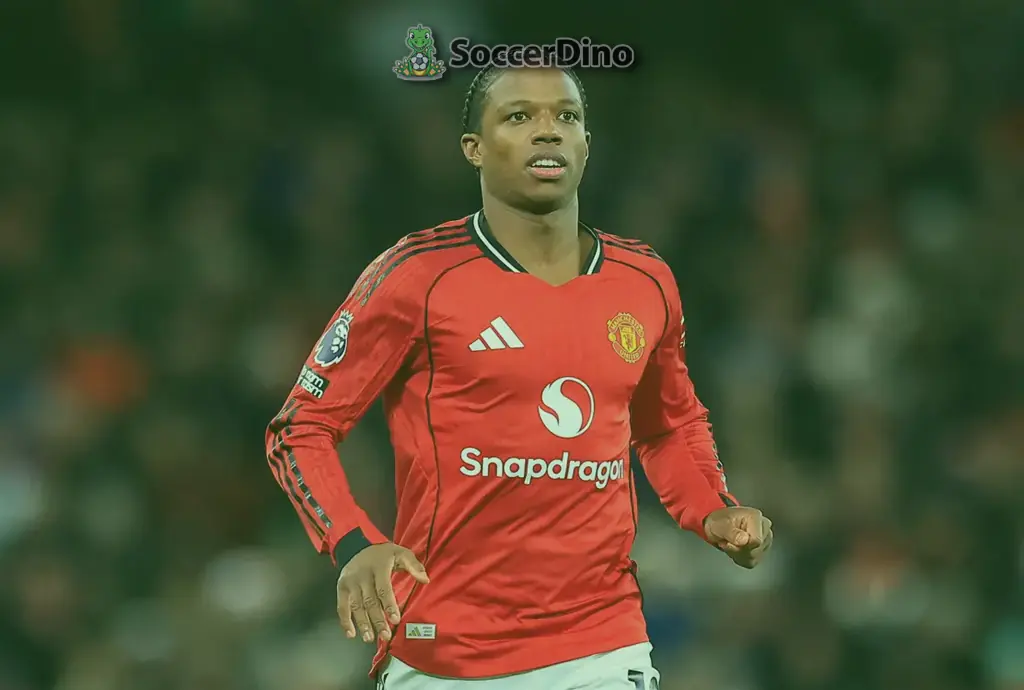
Angola drew 1-1 with Zimbabwe in Group B of AFCON in Marrakech, with Gelson Dala opening the scoring and Knowledge Musona equalising in stoppage time, leaving both teams with a difficult path to the knockout rounds.
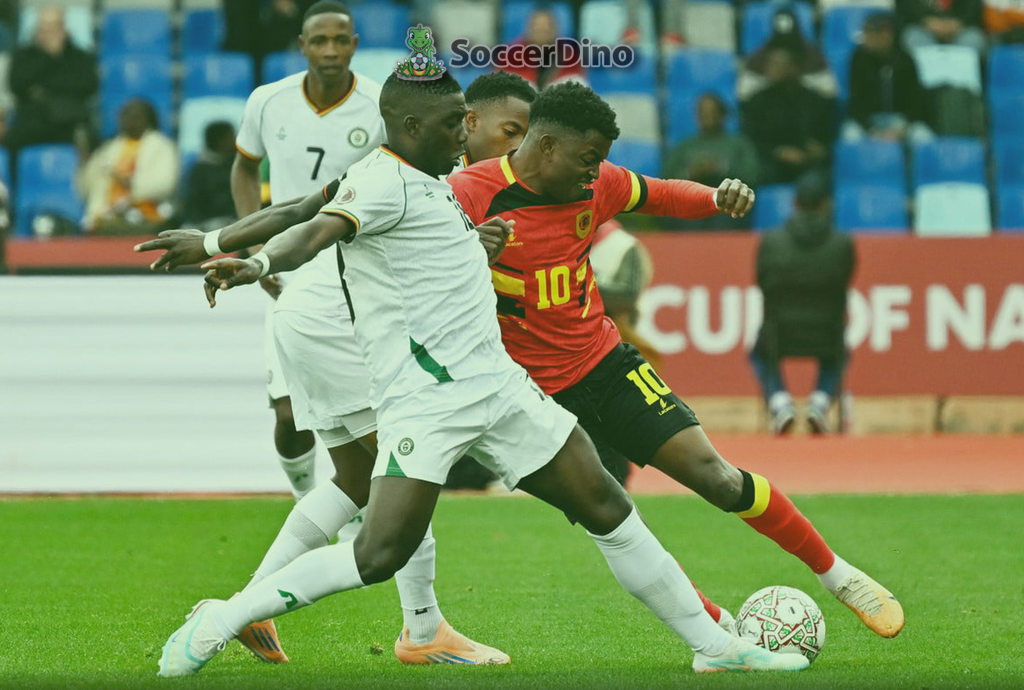
Angola’s hopes of a smooth path into the Africa Cup of Nations knockout rounds took another hit on Friday as they were held to a 1-1 draw by Zimbabwe in the second matchday of Group B.
With both teams having lost their opening fixtures, this was the type of game that demanded a clear winner. Instead, they cancelled each other out in a match that swung between Angola’s spells of control and Zimbabwe’s threat on the break, leaving both sides with a far more complicated route to the last sixteen in a group where South Africa and Egypt are widely viewed as the favourites.
The context made the stakes obvious. Losing the first match in a short group stage increases pressure exponentially, and a second setback can become terminal. That is why both Angola and Zimbabwe approached the contest with urgency. Angola, looking to impose themselves through possession and initiative, made three changes to their starting eleven, introducing David Carmo, Beni Mukendi, and Manuel Benson. Zimbabwe, who also made changes, entered with a plan that was clear from the very first minutes: stay compact, wait for errors, and explode forward whenever Angola’s structure opened up.
Zimbabwe created danger almost immediately, producing the first threatening moment inside two minutes. It was an early warning for Angola that the opposition would not be interested in long spells of sterile defending. Zimbabwe were prepared to run directly at the spaces, and the first half repeatedly showed how quickly a single lapse could turn into a major scare.
That warning became even more explicit when a defensive switch-off from Angola opened what felt like a wide-open motorway for Zimbabwe to counter. Bill Antonio carried the ball at speed, found himself in a promising position, and then wasted the chance with a finish over the bar from the edge of the area. The miss was significant not only because it was a clear opportunity, but because it revealed the match pattern that would define the evening. Zimbabwe’s best moments came when they could turn Angola’s possession into transitional situations, while Angola’s challenge was to dominate without losing balance.
Angola’s response was to try to take a firmer grip on the ball. The Palancas wanted to dictate tempo, move Zimbabwe’s block from side to side, and create overloads through combination play. Their most dangerous attacking outlet in the early stages was Gelson Dala. In the 14th minute he produced a strong individual action, slipping past two defenders with impressive control and agility, but his shot from the edge of the box did not match the quality of the dribble, failing to truly test Washington Arubi.
Despite that, Angola were clearly the side with more initiative and more presence around the final third. Their pressure was gradually building, and on 24 minutes they finally converted it into an opening goal. Gelson Dala finished from close range in Zimbabwe’s six-yard area, completing a sharp move that involved B’Bala Nzola and Tó Carneiro. The sequence captured what Angola were trying to do: quick exchanges, bodies committed in support, and a willingness to get into decisive spaces rather than settling for speculative shots from distance.
At 1-0, Angola appeared to have found the platform they needed. In that moment, the match was set up for them to manage the tempo, reduce Zimbabwe’s counter-attacking chances, and go into half-time with control. Instead, the game took a twist that proved costly. Rather than continuing to push for a second goal or at least maintain their pressing height, Angola unexpectedly dropped their defensive line and retreated into a more cautious shape. It was a decision that immediately shifted the dynamic, because it allowed Zimbabwe to spend more time in Angola’s half and commit more players forward without being constantly threatened by Angola’s pressure.
Zimbabwe accepted the invitation. They pushed higher, grew in confidence, and carried more threat down the flanks, particularly on the left. The equaliser came deep into stoppage time, at 45+6 minutes, and it was a goal that exposed Angola’s difficulties in dealing with direct play and physical duels in wide areas. Bill Antonio won his battle down the left channel, delivered a decisive pass into the inside corridor, and Knowledge Musona did the rest. Musona’s first touch at the edge of the box effectively set the shot up perfectly, and his angled finish across goal brought Zimbabwe level at the worst possible time for Angola: just before the interval, when a concession changes not only the scoreline, but also the mood in the dressing room.
The second half became more fragmented. Angola tried to reassert control, but they did so with less clarity and less influence from the players most capable of changing the game in the final third. Where the first half had featured more rhythm and a clearer structure in Angola’s possession, the second was marked by stoppages, disputes, and a more broken flow. That kind of match often benefits the team that is happy to play in short bursts, and Zimbabwe looked increasingly comfortable with the stop-start nature of proceedings.
Angola did have periods where they advanced, but the attacks lacked the same conviction and sharpness. Substitutions were made in an attempt to increase energy and threat: Luvumbo and Randy Nteka came on around the hour, with Mabululu introduced later, and Milson arriving towards the end. Yet the clearest dangerous moment Angola produced in the entire second half came very late, close to the 90-minute mark, when Milson struck a left-footed effort that finally felt like a genuine attempt to steal the match.
The bigger danger, however, was at the other end. As Angola chased greater control, they remained vulnerable to the very situations Zimbabwe wanted. Twice, Zimbabwe came close to completing a turnaround, creating moments that could have turned a frustrating draw into a punishing defeat for Angola. In those key phases, David Carmo proved decisive. He intervened at 78 and 80 minutes to protect Angola’s goal, effectively preserving the point when Zimbabwe were threatening to land a knockout blow.
By full-time, the draw felt fair in terms of what unfolded on the pitch. Angola had more of the ball and more sustained phases in the first half, and they created the clearest goal sequence with their opener. Zimbabwe, however, were consistent in their tactical idea, created serious danger from transitions, and finished the half strongly enough to level the match. In the second half, neither side truly produced the sustained quality needed to win, and the contest became as much about survival, discipline, and defensive interventions as it was about attacking play.
The 1-1 result leaves both sides in a difficult position. In a group featuring South Africa and Egypt, dropping points again means Angola and Zimbabwe now require not only strong results in the remaining fixtures, but also favourable scenarios elsewhere. The margin for error is effectively gone. For Angola, the positives include Dala’s impact, the clear first-half superiority, and Carmo’s decisive defending late on. The concerns are equally obvious: the decision to retreat after scoring, the vulnerability on the counter, and the lack of control and attacking clarity after the break. For Zimbabwe, the draw will be a source of encouragement, because it validated their approach and proved they can compete under pressure, but it also leaves them needing more than resilience if they are to keep their tournament alive.