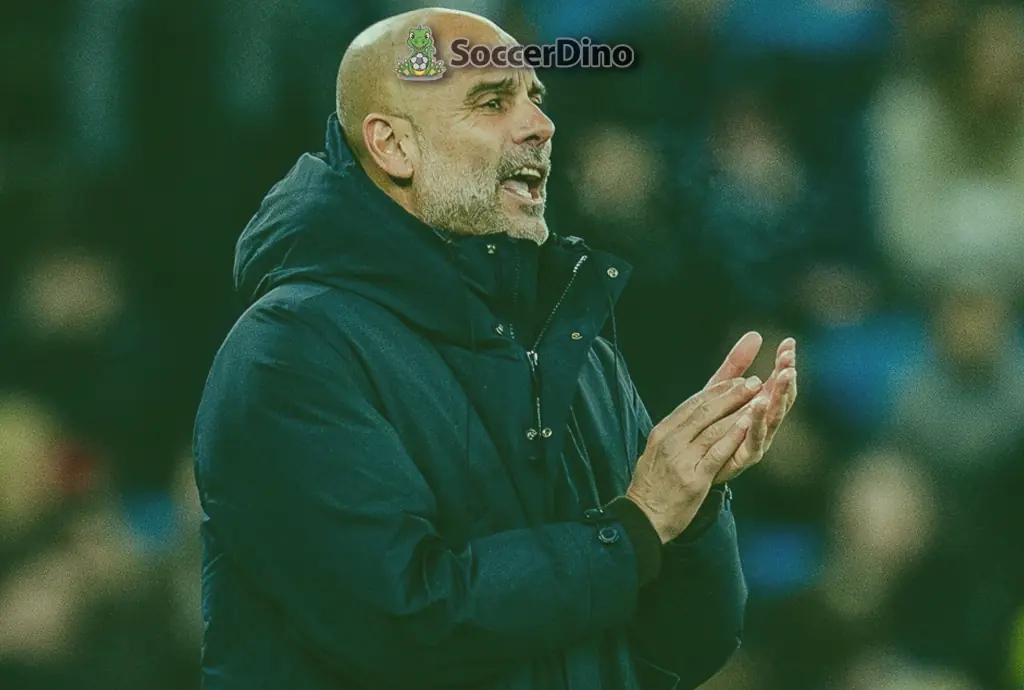
The match between Valencia and Real Madrid this past weekend ended heatedly. Jude Bellingham received a red card after the match, but coach Carlo Ancelotti holds no grudges against him.

The controversy surrounding the match's conclusion, where Real Madrid found the net after the final whistle had already been blown, adds a layer of drama to an already tense encounter.
Bellingham's red card became a focal point for discussion, not just for its immediate impact on the game but for the broader implications it holds for player conduct and referee decisions in high-stakes matches. Carlo Ancelotti's defense of Bellingham underscores the emotional high wire that players walk on, especially in moments where the outcome of a game can hinge on a single play or decision.
Ancelotti's reluctance to criticize Bellingham publicly, choosing instead to highlight the midfielder's commitment and effort, reflects a coaching philosophy that prioritizes understanding and support over public rebuke. This approach not only fosters a positive team environment but also reinforces the idea that mistakes, whether by players or officials, are part of the game. Ancelotti's assertion that the red card was unjustified speaks to his broader concern for fairness and the impact of crucial decisions on the course of a match.
The question posed to Ancelotti about referees explaining their decisions post-match opens up a wider debate on transparency and accountability in football. While the Real Madrid coach diplomatically sidestepped a definitive stance, his response hints at the complexities and potential repercussions of such a policy. In a sport where emotions run high and opinions vary widely, the suggestion that referees might have to justify their decisions publicly could introduce new dynamics into the already contentious arena of football officiating.
Moving forward from the incident, Ancelotti's focus on the resilience and ambition of his players highlights the transient nature of individual matches in the broader context of a season's goals. His comments about the team's desire to learn and improve reflect not only on the character of the squad but also on the ethos of Real Madrid as an institution. This mindset, of using setbacks as learning opportunities, is crucial for teams aiming to compete at the highest levels of European football.
As Real Madrid prepares for its upcoming Champions League encounter against RB Leipzig, the narrative shifts from controversy to anticipation. Ancelotti's ability to navigate the aftershocks of a tumultuous match against Valencia, defending his player while subtly addressing the broader issues at play, demonstrates the balancing act managers perform in the modern game. With the focus now firmly on the future, Ancelotti and his team look to embody the resilience and continuous improvement ethos that he advocates, aiming to secure their place among Europe's elite in the knockout stages of the competition.