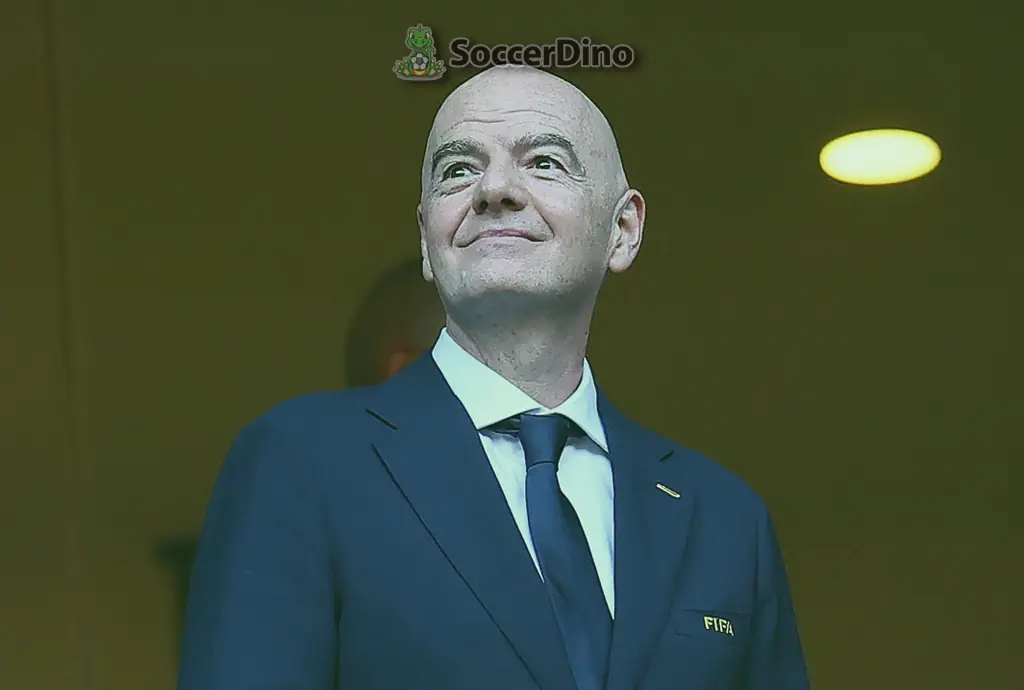
The Johan Cruijff Arena will host the UEFA Super Cup next year. The winners of the Champions League and Europa League will travel to Amsterdam in 2027 for the annual match for the UEFA trophy.

Amsterdam to host 2027 UEFA Super Cup as UEFA confirms future European finals venues
The Johan Cruijff Arena in Amsterdam will host the 2027 UEFA Super Cup, marking the first time that the competition in its current single-match format will be staged in the Netherlands. The match will take place on 11 August 2027 and will bring together the winners of the 2026/27 Champions League and Europa League for the traditional curtain-raiser to the new European club season. The decision gives the Netherlands a prominent place on UEFA calendar and represents another major international event for a stadium that has hosted numerous important club and international matches since opening. The Super Cup has developed into a prestigious annual fixture between the holders of UEFA two biggest men club competitions, and Amsterdam will now join the list of European cities selected to stage the event after UEFA abandoned the long-standing practice of keeping it in one fixed location.
The competition itself has changed considerably over the years. For much of its early history, the Super Cup was played over two legs, with the participating clubs hosting one match each. That format was eventually abandoned, and from 1998 the trophy was decided in a single game. For many years, the Stade Louis II in Monaco became synonymous with the event, serving as its regular home and providing a consistent setting for the meeting between the champions of Europe two leading club tournaments. UEFA changed that approach in 2013 and began awarding hosting rights to different cities and stadiums each year, turning the Super Cup into a travelling event and allowing more national associations to stage a major European final. The 2027 edition will therefore become the first opportunity for the Netherlands to host the competition under that modern format.
Historic first for the Netherlands
The announcement was welcomed by the Royal Dutch Football Association, with KNVB general secretary Gijs de Jong highlighting the significance of bringing the match to the country for the first time. “The UEFA Super Cup in its current format has never been played in the Netherlands, so it is fantastic that we can bring this fixture to our country for the first time,” De Jong said. The match will give Dutch supporters the opportunity to see two reigning European champions competing for silverware in Amsterdam, while also reinforcing the position of the Johan Cruijff Arena as one of the most established football venues in Europe. For the KNVB, hosting such an event is also a chance to demonstrate the organisational capacity of Dutch football and to strengthen the country position when future major UEFA fixtures are allocated.
Tanja Dik, chief executive of the Johan Cruijff Arena, also described the decision as a particularly fitting way to conclude the stadium 30th anniversary year. “To conclude the year in which we celebrate our 30th anniversary, we will have the opportunity to welcome the very best of European club football. We look forward to giving players, supporters and guests from across Europe a warm welcome at the Johan Cruijff Arena,” she said. The timing adds symbolic value to the event, with the stadium reaching a major milestone while simultaneously welcoming the winners of the Champions League and Europa League. The Amsterdam venue has long been closely associated with Ajax and the Dutch national team, but the Super Cup will give it another high-profile chapter in European competition.
Munich and Barcelona chosen for Champions League finals
UEFA also used the latest round of announcements to confirm the host venues for a number of major European finals in 2028 and 2029. The Champions League final will return to Munich in 2028, with the Allianz Arena selected to stage the biggest match in European club football. The stadium has already hosted the final twice, in 2012 and again in 2025, and will therefore become an increasingly familiar venue for UEFA showpiece occasion. Its modern facilities, large capacity and experience with major international matches make it an obvious choice for a fixture that attracts enormous global attention and places major logistical demands on the host city.
One year later, in 2029, the Champions League final will move to Barcelona, where the renovated Camp Nou will host the match. The stadium last staged the European Cup final in 1999 and had previously done so in 1989, meaning the 2029 edition will mark a major return for one of the most iconic grounds in European football. By then, the redeveloped venue is expected to have fully established itself again as Barcelona home, and UEFA decision underlines the importance placed on returning the competition biggest final to some of the continent most recognisable stadiums. Before those two editions, the current season Champions League final is scheduled to take place at Atlético Madrid Estádio Metropolitano, which will host the final for the second time in its history.
Women Champions League also receives major venues
UEFA also confirmed future locations for the Women Champions League final, with Lyon and Cardiff selected for 2028 and 2029 respectively. The Groupama Stadium in Lyon will host the 2028 final, providing a fitting venue in a city with a strong connection to European women football. Lyon have played a defining role in the development of the women game at club level, and staging the final there adds further significance to the decision. The following year, the Millennium Stadium in Cardiff will welcome the 2029 final, bringing another major UEFA event to Wales and continuing the policy of rotating finals across different European cities.
The choice of large, established stadiums for the Women Champions League reflects the continued growth in the profile of the competition. UEFA has increasingly placed major women fixtures in venues capable of handling larger crowds and greater international interest, and the selections of Lyon and Cardiff fit that broader direction. Both stadiums are already accustomed to major sporting occasions and should provide the scale required for a final that has become increasingly prominent on the European football calendar.
Bucharest and Belgrade to stage Europa League finals
The Europa League will also move through two different European capitals. The 2028 final will be held at the National Arena in Bucharest, while the 2029 edition will take place at the Serbia National Stadium in Belgrade. Bucharest has experience of staging major European football and will once again welcome supporters from two clubs competing for one of UEFA most important trophies. Belgrade will then follow a year later, bringing the Europa League final to Serbia and giving the country the opportunity to host a fixture with significant international exposure.
The Europa League remains a major competition in its own right, with the winner not only lifting a European trophy but also securing an important place in UEFA club hierarchy. Hosting rights therefore carry considerable prestige, and the decisions involving Bucharest and Belgrade show UEFA willingness to spread major finals across a wide range of national associations rather than repeatedly returning to the same small group of cities.
Turin and Budapest selected for Conference League
The Conference League finals for 2028 and 2029 will take place in Turin and Budapest. The Allianz Stadium in Turin will stage the 2028 final, giving Italy another major UEFA event and providing a modern setting for a competition that has quickly established itself as an important part of the European club calendar. The following year, the Puskás Aréna in Budapest will host the 2029 final. The Hungarian national stadium has already become a regular venue for high-profile European fixtures and is now firmly established among UEFA preferred locations for major matches.
The continued allocation of prominent stadiums to the Conference League underlines how rapidly the tournament has developed since its creation. What began as a third-tier European competition has become a significant trophy for clubs seeking international success, and UEFA hosting choices suggest it intends to continue building the event profile by placing the final in large and modern venues.
Astana to follow Amsterdam in hosting the Super Cup
After Amsterdam hosts the 2027 UEFA Super Cup, the event will move to Kazakhstan in 2028, with the Astana Arena selected as the venue. That decision once again demonstrates the geographical reach of the modern competition. Since moving away from Monaco, the Super Cup has become an opportunity for UEFA to take elite European club football to cities that might not otherwise stage a Champions League or Europa League final, while still maintaining the prestige of a one-off match between two continental champions.
For Amsterdam, however, the 2027 edition will carry a particularly special status. It will not only be the first Super Cup in the Netherlands under the current format but will also coincide with an important anniversary period for the Johan Cruijff Arena. The match on 11 August will bring together two teams arriving as reigning European champions and will give the Dutch capital a prominent role in the opening weeks of the 2027/28 football season.
UEFA maps out major finals well in advance
The wider announcement provides a clear picture of how UEFA is planning its major events over the next several years. Munich, Barcelona, Lyon, Cardiff, Bucharest, Belgrade, Turin, Budapest, Amsterdam and Astana will all take their place on the European finals calendar, ensuring a broad spread of host cities and countries. The approach gives national associations and stadium operators significant time to prepare for the logistical demands of hosting supporters, teams, media and commercial partners from across Europe.
For the Netherlands, the most immediate focus will be the Super Cup in 2027. The Johan Cruijff Arena has hosted major football for decades, but this will be a new chapter for the stadium and for Dutch football as a whole. The winners of the Champions League and Europa League will arrive in Amsterdam knowing that another trophy is at stake, while the host city will have the opportunity to showcase itself on one of the first major UEFA nights of the season. With the date now set for 11 August 2027, Amsterdam can begin preparing for a historic first edition of the UEFA Super Cup on Dutch soil in its modern format.
Confirmed future UEFA finals
Champions League
2028: Allianz Arena, Munich
2029: Camp Nou, Barcelona
Women Champions League
2028: Groupama Stadium, Lyon
2029: Millennium Stadium, Cardiff
Europa League
2028: National Arena, Bucharest
2029: Serbia National Stadium, Belgrade
Conference League
2028: Allianz Stadium, Turin
2029: Puskás Aréna, Budapest
UEFA Super Cup
2027: Johan Cruijff Arena, Amsterdam
2028: Astana Arena, Astana