Kylian Mbappé apologises over Mao Zedong meme controversy as Chinese sponsors cut ties, sparking backlash and prompting a response from La Liga.
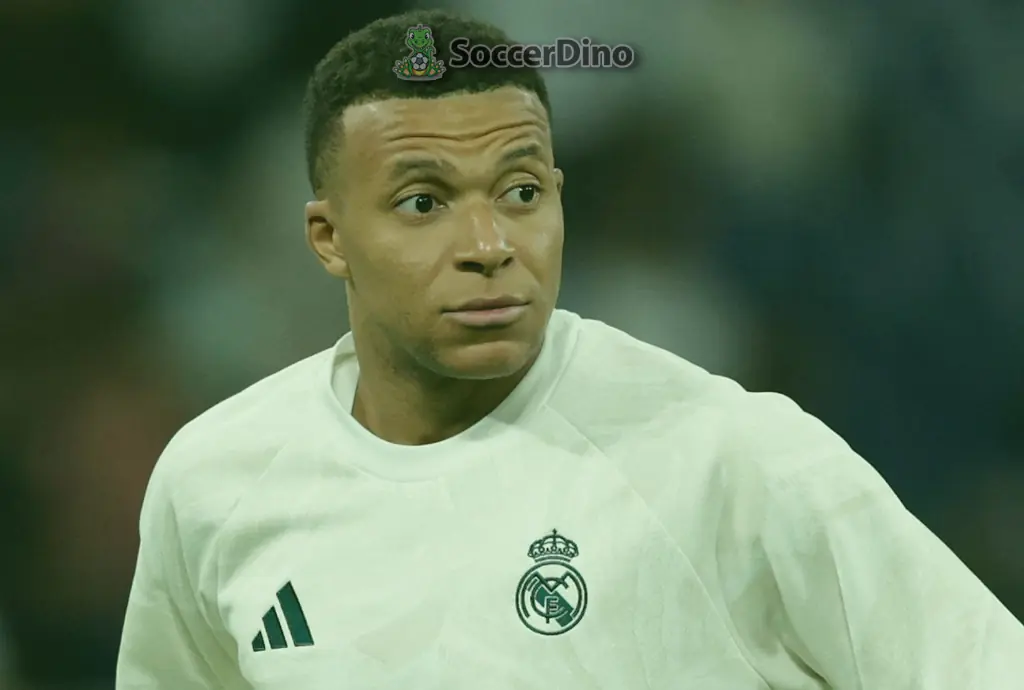
Kylian Mbappe apologises to China as major sponsors cut ties over Mao Zedong meme controversy
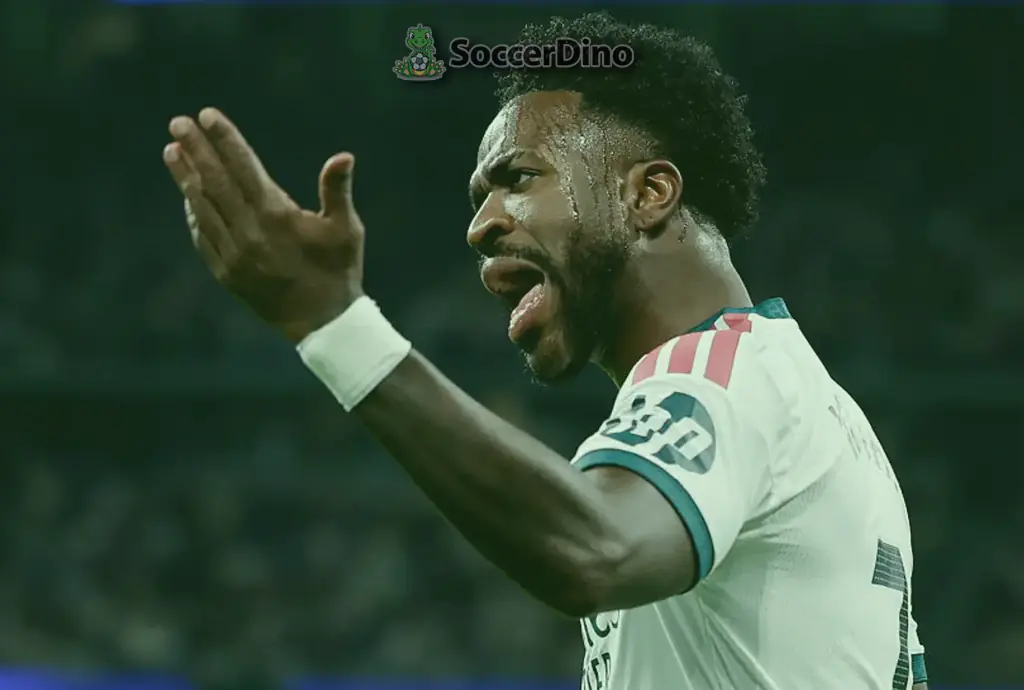
Kylian Mbappe has issued a public apology after comments about an internet meme featuring former Chinese leader Mao Zedong triggered a major controversy in China, prompting several companies to terminate their commercial partnerships with the Real Madrid forward. The backlash has extended beyond the player's sponsorship agreements, with Chinese broadcasters taking action against La Liga and the Spanish competition issuing its own apology.
The 27-year-old France international found himself at the centre of criticism after a video circulated on social media in which he appeared to describe a meme depicting his face on Mao Zedong's body. Although Mbappe did not mention the former Chinese leader by name, his reference to a Chinese dictator provoked a strong reaction among Chinese internet users.
Dongpeng Beverage and dairy producer Mengniu announced the immediate termination of their partnerships with the footballer on Tuesday, October 27. A third company, dairy and cheese producer Milkground, also confirmed that it was ending its agreement with Mbappe, increasing the commercial consequences of the controversy.
As criticism spread across Chinese social media platforms, Mbappe attempted to defuse the situation with an apology published in several languages. However, the reaction had already extended to the country's football media, major advertisers and government officials, turning what began as a brief exchange about an internet joke into an international controversy.
How a meme involving Mao Zedong sparked the controversy
The controversy began after footage circulated online showing Mbappe being asked about his favourite internet meme during an interview associated with the French online programme The Bridge.
In the clip, the Real Madrid striker appeared to refer to an edited image showing his face superimposed onto the body of a historical figure whom he described as a Chinese dictator.
The video then displayed an altered image depicting Mbappe dressed in the distinctive clothing associated with Mao Zedong, who led the establishment of the People's Republic of China in 1949.
Although the French international did not explicitly identify Mao, the visual reference made the subject of the joke clear to many viewers.
Memes comparing Mbappe to historical rulers have circulated online for some time, often playing on jokes about the striker's influence within the teams he represents. Similar images have placed his face onto photographs of different historical figures.
However, the reference was received very differently in China, where Mao remains a politically and historically significant figure. His legacy is deeply connected to the founding of the modern Chinese state, and public comments concerning him can generate strong reactions.
The clip spread rapidly through social media, particularly after being shared on Monday, October 26, around the time of the Ballon d'Or ceremony in London.
Its authenticity could not initially be independently established by several international news organisations. Nevertheless, the controversy intensified as Chinese companies began announcing measures against the footballer, and Mbappe subsequently addressed the remarks in his apology.
Mbappe apologises to Chinese fans after criticism spreads
With the controversy attracting widespread attention, Mbappe published an apology acknowledging that his comments had caused offence.
The French forward explained that he had been reacting to an altered image of himself during an interview and had not considered how his words might be interpreted by people in China.
"My comment was ill-judged," Mbappe acknowledged, explaining that he now understood the distress his remarks had caused among Chinese audiences and communities around the world.
He also insisted that offending Chinese people had never been his intention and expressed respect for the country's population and history.
The apology was published in French, Mandarin and English, reflecting the international attention the incident had received.
By addressing the controversy directly, Mbappe attempted to separate the intention behind his original comment from the way it had been received.
However, the statement arrived after several Chinese companies had already decided to distance themselves commercially from the footballer.
The reaction demonstrated how quickly an informal comment made during an entertainment interview can develop into a much larger issue when the subject involves culturally sensitive historical references.
Dongpeng and Mengniu terminate sponsorship agreements
The most immediate consequences for Mbappe came from his commercial partners in China.
Dongpeng Beverage, a major Chinese drinks manufacturer, announced that it was terminating all cooperation with the Real Madrid striker with immediate effect.
The company explained that it opposed behaviour considered offensive to Chinese national sentiment and that it maintained a zero-tolerance approach to such incidents.
Mbappe had previously appeared in advertising campaigns promoting Dongpeng products, including commercials distributed to Chinese audiences during the 2026 World Cup.
His image was used in promotional materials for the company's electrolyte drinks, while advertisements featuring the footballer appeared in public spaces and commercial locations across China.
Mengniu, one of China's largest dairy companies, issued a similar announcement confirming the end of its commercial relationship with the French international.
The company said its decision reflected opposition to comments or actions considered offensive to Chinese people.
Mbappe had also appeared in Mengniu advertising alongside Lionel Messi, bringing together 2 of the world's most recognisable football stars in campaigns directed at Chinese consumers.
The termination of those agreements represents a significant commercial setback for the player, whose international reputation has made him an attractive figure for major brands seeking to reach football supporters around the world.
The companies did not disclose the financial value of the agreements or any compensation arrangements associated with their termination.
Third Chinese company also ends partnership with Real Madrid star
The commercial backlash extended beyond Dongpeng and Mengniu when Milkground, a Chinese dairy and cheese producer, also announced that it was ending its agreement with Mbappe.
The company joined the other sponsors in distancing itself from the French international amid the growing criticism surrounding the video.
The decisions mean that at least 3 Chinese companies have publicly confirmed the termination of their agreements with the footballer.
Another Chinese platform, RedNote, also addressed the controversy. The social media company clarified that its previous content partnership with Mbappe had already ended on December 31, 2024, rather than being terminated as a direct consequence of the latest incident.
However, RedNote announced that it would remove promotional materials associated with the player and expressed opposition to conduct it considered offensive to national sentiment.
Reports also indicated that Mbappe's account on the platform was prevented from accepting new followers.
The different responses illustrate the extent to which the controversy has affected the player's commercial presence in China, where his image has been used to promote products ranging from sports drinks to dairy goods.
For international athletes, endorsement agreements can represent an important part of their business activities beyond football. Losing several partnerships within the same market can therefore carry consequences that extend beyond the immediate publicity surrounding an incident.
Nevertheless, the total financial impact on Mbappe remains unknown because the relevant contract values and terms have not been publicly disclosed.
Chinese television suspends La Liga broadcasts amid controversy
The consequences have also reached Spanish football more broadly.
China Media Group announced the suspension of broadcasts involving La Liga matches and other games featuring Mbappe, while also taking steps to remove advertising materials associated with the French international.
The broadcaster's response significantly increased the scope of the controversy, creating potential implications for the commercial relationship between Spanish football and the Chinese television market.
China represents an important international audience for European football, with major clubs attracting substantial interest from supporters who follow domestic leagues and continental competitions.
Real Madrid are among the most recognisable football clubs in the world, and Mbappe's arrival at the Spanish giants further strengthened their international profile.
The suspension of broadcasts therefore raised concerns extending beyond the individual player, potentially affecting supporters' access to Spanish football and the commercial interests of the competition.
China Media Group also called for an apology from Mbappe and Real Madrid.
The developments prompted a response from La Liga, whose president Javier Tebas moved to address the situation and protect the competition's relationships with Chinese partners.
Javier Tebas apologises on behalf of La Liga
La Liga issued an official apology to Chinese football supporters following the controversy, emphasising that Mbappe's comments represented his personal views rather than those of the Spanish competition.
In a statement published on October 27, the league expressed regret over the offence caused and reaffirmed its respect for China, its institutions and its people.
La Liga president Javier Tebas also personally addressed the issue, acknowledging the importance of the relationship between Spanish football and Chinese supporters.
Tebas stressed that the competition had developed longstanding connections with Chinese broadcasters, sporting organisations and commercial partners, and that those relationships should not be damaged by an individual player's remarks.
The league confirmed that it was working with relevant partners and authorities in China to address the situation.
It also announced plans to develop a cultural awareness and communication protocol in cooperation with clubs and players, aimed at reducing the risk of similar controversies in the future.
The response demonstrated how seriously the Spanish competition viewed the commercial and institutional implications of the incident.
Rather than treating it solely as a personal controversy involving Mbappe, La Liga acknowledged that the remarks had affected a wider network of relationships involving clubs, broadcasters, sponsors and football supporters.
The governing organisation has not announced a sporting sanction against the player in connection with the incident.
Chinese government responds to Mbappe controversy
The controversy also reached China's Ministry of Foreign Affairs, where spokesperson Guo Jiakun was questioned about the reaction to Mbappe's comments.
Guo said that words and actions considered offensive to the feelings of Chinese people would naturally face opposition from different sections of Chinese society.
The response reflected the extent to which the incident had moved beyond football-related discussion and entered the wider public debate in China.
Mao Zedong remains an important historical figure in the country, having led the Chinese Communist Party to victory in the civil war and overseen the establishment of the People's Republic of China.
His legacy remains complex and contested internationally, particularly because of the political campaigns and severe human suffering associated with aspects of his rule.
Within China, however, his historical significance and symbolic position mean that references to his image can be interpreted in ways that foreign audiences may not immediately anticipate.
The controversy surrounding Mbappe illustrates how public remarks involving historical figures can produce sharply different reactions across national and cultural contexts.
For the French forward, the consequences have been unusually extensive, involving private companies, public broadcasters, football organisations and government officials.
Chinese social media backlash intensifies as fans call for boycott
The incident generated extensive discussion on Chinese social media, where users reacted to the video, the sponsorship decisions and Mbappe's subsequent apology.
On Weibo, one of China's largest social media platforms, the announcement that Dongpeng was ending its partnership with the footballer became a leading trending topic.
Other widely discussed subjects included the termination of additional sponsorship agreements and calls from some users to boycott the Real Madrid striker.
Some supporters criticised the remarks as disrespectful, while others questioned the circumstances surrounding the interview and sought clarification about what Mbappe had actually said.
The controversy was further amplified by Dongqiudi, one of China's prominent football media platforms, which announced that it would not translate the interview because it considered the remarks offensive to Chinese football supporters.
The decision added another dimension to the situation, as the discussion was no longer limited to the original video but also involved how Chinese sports media would handle the player's comments.
Mbappe had previously enjoyed considerable popularity among Chinese football supporters, attracting attention through his performances for France, Paris Saint-Germain and Real Madrid.
His international profile had also helped establish him as a recognisable advertising figure in the country.
The sudden backlash therefore represents a notable reversal for a player whose image had been widely promoted through major commercial campaigns.
Mbappe controversy comes during important period for Real Madrid
The incident has emerged while Mbappe remains a central figure in Real Madrid's sporting ambitions under José Mourinho.
The French striker recently delivered a decisive performance in El Clasico, scoring twice as Madrid defeated Barcelona 2-1 at Camp Nou in a crucial La Liga encounter.
His goals helped Mourinho's team reduce the gap to the league leaders and reinforced his importance to the Spanish club's attacking plans.
However, the latest controversy has shifted attention away from his performances on the pitch towards his international commercial relationships and public image.
Real Madrid's global reach means that developments involving one of their most prominent players can attract attention across several markets simultaneously.
That connection also helps explain why La Liga reacted so quickly after Chinese broadcasters and sponsors announced measures against Mbappe.
For the player, the immediate challenge is to manage the consequences of the controversy while continuing to fulfil his responsibilities with the Spanish club.
The footballing situation remains separate from the commercial dispute, and no official indication has been given that the incident will affect his eligibility to play for Real Madrid.
Nevertheless, the scale of the reaction demonstrates that a player's global reputation increasingly depends on events taking place away from the pitch as well as performances during matches.
Mbappe faces uncertain commercial future in China after public apology
Despite Mbappe's apology, it remains unclear whether the controversy can be resolved quickly or whether the commercial consequences will extend further.
At least 3 Chinese companies have confirmed the termination of their partnerships, while China Media Group has taken action affecting broadcasts of Spanish football.
La Liga has responded by apologising to Chinese supporters and opening discussions with relevant partners in an attempt to protect its relationships in the country.
The effectiveness of those efforts remains uncertain, particularly because the sponsorship decisions have already been publicly announced.
Mbappe's statement represents an attempt to acknowledge the offence caused and clarify that he did not intend to insult Chinese people or their history.
However, an apology does not necessarily reverse decisions made by commercial partners, especially when companies believe that maintaining an association could affect their reputation among domestic consumers.
The situation now presents separate challenges for the different parties involved.
Mbappe must address the damage to his public image in China, the companies must manage the termination of their promotional agreements, and La Liga must attempt to preserve relationships with broadcasters and supporters in one of football's largest international markets.
What began as a brief comment about an internet meme has therefore developed into a controversy with commercial, sporting and institutional consequences.
For now, Mbappe has publicly apologised, Dongpeng, Mengniu and Milkground have ended their partnerships, and La Liga is working to address the situation with Chinese stakeholders.
Whether the apology will be sufficient to restore confidence among Chinese supporters and commercial partners remains to be seen.