Ostersund and Kubikenborgs will play one rare Swedish football match counting for both the league and cup amid fixture congestion.
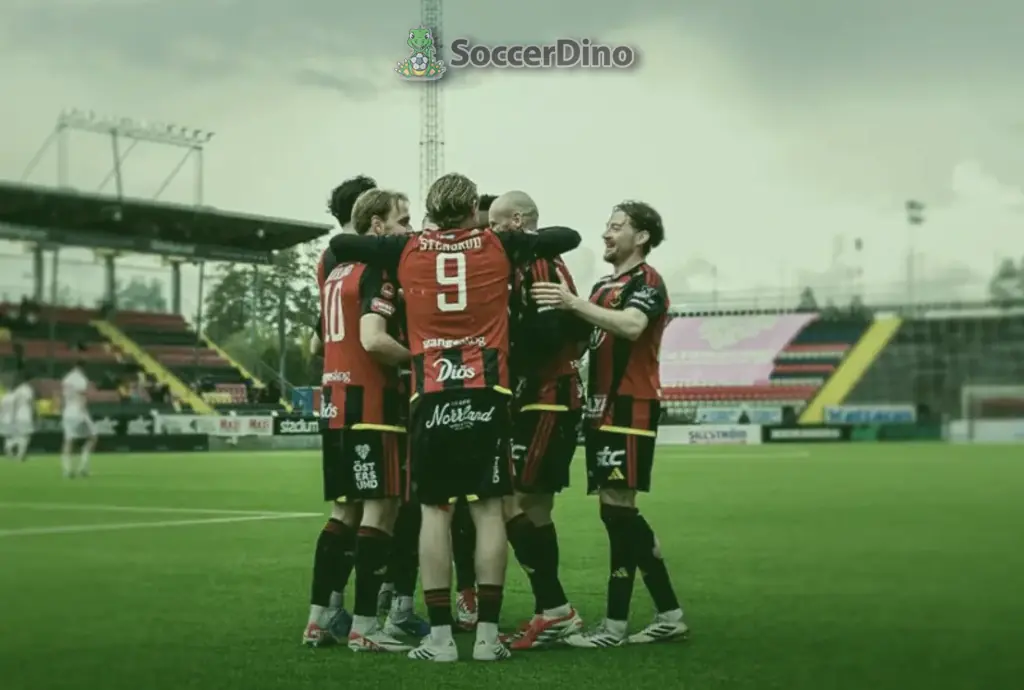
Swedish football finds rare solution as league and cup are combined into one match
An unusual and highly practical situation is taking place in Swedish football, where Ostersund and Kubikenborgs are set to play one match that will count for both the league and the cup. In an era when clubs across Europe frequently complain about overloaded fixture lists, tight recovery windows and mounting injury problems, the two Swedish second-division sides have found a solution that is as rare as it is logical.
The two clubs were originally scheduled to face each other twice in quick succession. First, they were due to meet in the cup on June 3. Then, less than two weeks later, they were scheduled to play again in the league on June 14. Rather than forcing both teams to prepare for two separate fixtures against the same opponent in a short period of time, the clubs asked the Swedish federation whether the two matches could be merged into one.
To the surprise of many, the request was accepted. The match on June 14 will now have double significance: it will decide who takes the league points and also who advances in the cup competition. It is an unusual decision, but one that reflects the growing pressure on clubs operating with smaller squads, limited resources and increasingly demanding calendars.
For Ostersund coach Andreas Tagesson, the decision was unexpected but welcome. He admitted that he had considered the idea before, but did not seriously believe the authorities would approve it. In football, calendar complaints are common, but genuine flexibility from governing bodies is much rarer.
“I thought there was no point discussing the issue, because normally it does not lead anywhere. I had already thought about this proposal, but I never imagined the federation would accept it. It is great. We have not had the best luck with injuries during the spring, so having to play one less match is good,” Tagesson said.
His reaction says a lot about the reality faced by clubs outside the top levels of the game. While elite teams often have deeper squads, larger medical departments and better recovery structures, smaller clubs must deal with congested schedules in a much more direct way. A single extra match can affect training plans, player availability, travel arrangements and the physical condition of a squad already dealing with injuries.
In that sense, the decision is not only curious, but also sensible. Ostersund and Kubikenborgs were already going to face each other twice within a short space of time. Combining the matches reduces the physical burden on players and avoids a repeat fixture that could have felt unnecessary from a sporting and logistical point of view.
The format, however, creates an interesting competitive scenario. During the first 90 minutes, the match will function like a normal league game. The winner will take three points in the championship, while the loser will leave empty-handed. If the game ends in a draw after 90 minutes, each side will receive one point in the league table, exactly as they would in any other championship fixture.
But the cup element will still need a winner. That means that if the score is level at the end of normal time, the teams will then play extra time to decide who progresses in the knockout competition. The league outcome will already be settled after 90 minutes, but the cup tie will continue until one team earns the right to advance.
This creates a rare tactical situation for both coaches. A draw after 90 minutes may be acceptable in the league context, but it will not be enough in the cup. Teams may therefore need to manage the match with two different objectives in mind. For example, a side satisfied with a league point may still have to push for a winner in extra time to keep its cup run alive.
It also raises interesting questions about player management. A coach may approach the final stages of normal time differently depending on the state of the squad, the importance of the league position and the desire to stay in the cup. A substitution that makes sense for protecting a league result may not be ideal if extra time follows immediately afterwards. The game will therefore require careful planning from both benches.
For the players, the match will also carry a different psychological weight. It will not simply be another league fixture, nor will it be a standard cup tie. Every duel, every goal and every moment of momentum could have consequences in two competitions at once. A victory would bring both three league points and cup progression, making the reward especially valuable. A defeat, on the other hand, would hurt twice.
Supporters may also find the format appealing. Instead of watching two similar matches between the same teams in a short period, they will get one fixture with added drama and importance. The stakes are clear, the situation is unusual, and the result will matter on two fronts. In a football landscape often criticised for being rigid and resistant to change, this type of practical solution offers something different.
Of course, this is unlikely to become a common model across major competitions. League and cup matches usually follow different regulations, commercial structures and competitive priorities. At higher levels, broadcasting contracts, ticketing, sponsorship agreements and sporting fairness would make this kind of arrangement much more complicated. But in this specific case, the logic is easy to understand.
The decision also highlights a broader issue in modern football: fixture congestion is no longer only a problem for elite clubs. While the debate is often focused on Champions League teams, international tournaments and the packed calendars of top players, smaller clubs also face their own version of the problem. They may not play as many high-profile matches, but they often have fewer resources to absorb the impact.
Injuries, travel and squad fatigue can have a major influence on a season at any level. For a club that has already had difficulties with injuries during the spring, as Tagesson explained, removing one match from the schedule can make a meaningful difference. It allows players more time to recover, reduces the risk of further physical problems and gives coaches more room to prepare properly.
The Swedish federation’s approval therefore feels like a rare example of football administration adapting to reality rather than simply enforcing the calendar as originally planned. The decision may have surprised Tagesson, but it also shows that common sense can still have a place in the organisation of competitions when all parties agree.
For Ostersund and Kubikenborgs, June 14 will now be far more than an ordinary fixture. It will be a league match, a cup tie and a small piece of football curiosity all at once. The result will shape their championship campaigns, determine their cup future and perhaps even encourage other clubs to think more creatively when similar scheduling problems arise.
Whether this remains a one-off experiment or becomes a reference point for future calendar solutions, the match has already attracted attention because it breaks from tradition without damaging the integrity of the competitions involved. In fact, it may do the opposite. By reducing unnecessary strain and giving one match greater competitive meaning, Swedish football has produced a solution that feels unusual at first glance, but increasingly reasonable the more it is examined.
In a sport where clubs often ask for flexibility and rarely receive it, Ostersund and Kubikenborgs have managed to turn a scheduling problem into something genuinely interesting. One game, two competitions, three league points at stake and a cup place on the line: Swedish football is about to stage one of the most unusual fixtures of the season.