Gareth Southgate rules out a return to coaching despite Manchester United and Crystal Palace links, revealing why he no longer enjoys football management.
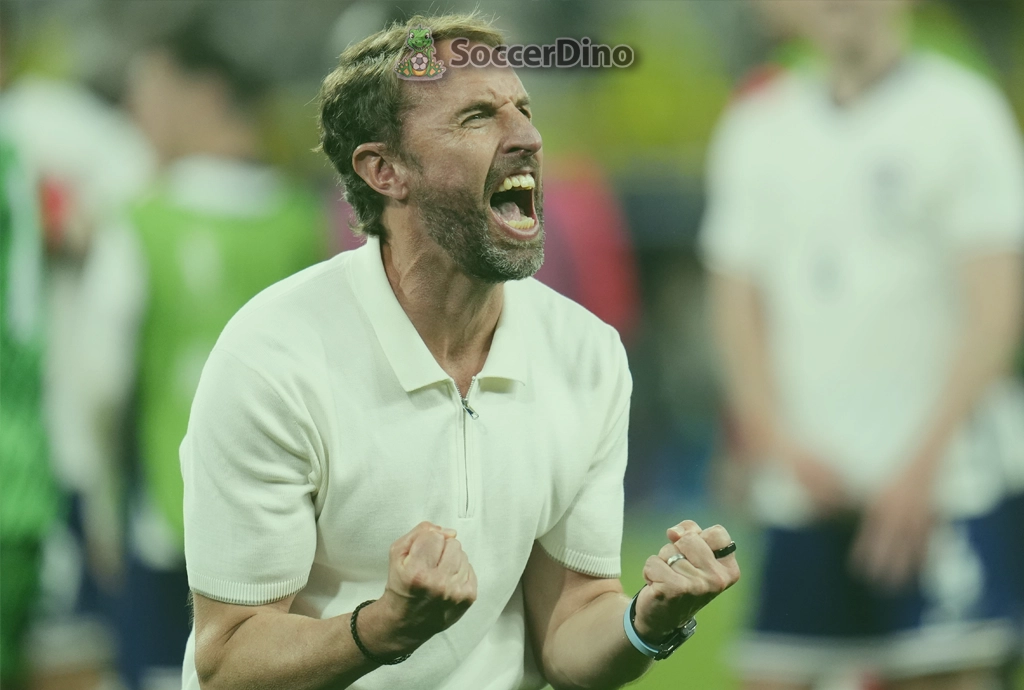
Gareth Southgate rules out coaching return despite Manchester United and Crystal Palace links
Former England manager Gareth Southgate has revealed that he has little desire to return to football management, admitting that the intense pressure of his coaching career eventually left him unable to enjoy even the victories. Despite being linked with managerial positions at Manchester United and Crystal Palace, the 56-year-old insists that his priorities have changed significantly since stepping away from the England national team in 2024.
Southgate, who left his position following the European Championship that year, has spent the subsequent period exploring opportunities and experiences outside professional football. What initially appeared to be a break from the demanding world of international management has developed into a different way of life, one that he now values too much to abandon simply because another high-profile coaching opportunity might become available.
Speaking in comments reported by The Guardian, the former England international explained that his relationship with football gradually changed during the final stages of his time in charge of the national team. After spending much of his adult life allowing results to determine his mood and sense of personal achievement, Southgate reached a point where the emotional rewards of winning no longer compensated for the demands of the job.
His comments offer an unusually candid perspective on the psychological pressures associated with elite football management. While many former managers continue searching for another opportunity to return to the touchline, Southgate appears increasingly comfortable with the possibility that his professional future may lie entirely outside coaching.
Southgate admits he stopped enjoying football during his final years with England
One of the most revealing aspects of Southgate's interview was his admission that football had gradually stopped providing the satisfaction he once experienced. For a manager who spent years representing his country and working under enormous public scrutiny, the change in perspective appears to have been significant.
"I can't see myself in that situation. Towards the end of my time with England, I stopped enjoying it. For a while, winning motivates you, but towards the end, I wasn't even enjoying the victories," Southgate explained.
The statement is particularly striking because success is usually considered the ultimate reward for football managers. Victories provide recognition, improve professional reputations and offer evidence that months of preparation and tactical work have produced the desired results. For Southgate, however, even those moments eventually lost much of their emotional significance.
His admission suggests that the pressures associated with managing England had begun to outweigh the enjoyment he derived from the role. Coaching a national team involves expectations that extend well beyond individual matches, particularly when representing a country with such a passionate football culture and a long history of demanding success in major tournaments.
Every selection decision, tactical adjustment and tournament performance can generate intense public discussion. Managers are expected to justify their choices, respond to criticism and maintain the confidence of players and supporters, often while preparing for the next important fixture.
Southgate's comments indicate that this constant cycle of expectation and evaluation eventually changed the way he experienced the sport. Winning remained professionally important, but it no longer provided the personal satisfaction that had previously motivated him.
Rather than interpreting that change as a temporary frustration, Southgate appears to have recognised it as a reason to reconsider the direction of his life. His decision to remain outside football is therefore not simply about waiting for the right club to make an offer. It reflects a much deeper change in what he wants from his professional and personal future.
Manchester United and Crystal Palace links fail to tempt former England manager
Southgate's name has continued to appear in discussions surrounding managerial positions since his departure from England. Manchester United and Crystal Palace are among the clubs with which he has been linked, although those associations have not been enough to convince him that returning to coaching would be the right decision.
The possibility of taking charge of a Premier League club could appear attractive to someone with Southgate's experience. Managing at that level offers the opportunity to work with international players, shape a squad over an extended season and compete regularly against some of the strongest teams in the game.
However, those opportunities also involve the very pressures that Southgate appears determined to leave behind. Unlike international management, club football brings a continuous schedule of domestic fixtures, transfer decisions, training sessions and frequent media obligations.
At a club such as Manchester United, where expectations are exceptionally high, a manager must also cope with constant examination of results and performances. Southgate's latest remarks suggest that the prospect of returning to such an environment does not appeal to him, regardless of the status of the club involved.
His connection with Crystal Palace provides a different dimension to the speculation. Southgate represented the London club during his playing career, giving him a personal connection to its history. Nevertheless, that relationship does not appear to have changed his views about returning to management.
Importantly, Southgate did not describe formal negotiations with either club in the comments provided. His statements address the broader possibility of returning to the profession rather than confirming that he has rejected a specific contractual offer.
What is clear is that he no longer considers another managerial appointment an essential step in his career. Having spent decades within professional football, Southgate now appears more interested in protecting the freedom he has rediscovered than pursuing another position simply because it carries prestige.
Former England boss reveals he barely watches football anymore
Perhaps the clearest indication of how much Southgate's relationship with the game has changed is his admission that football no longer occupies a major place in his daily life. While many retired coaches continue following matches closely, attending stadiums and analysing performances, Southgate says his interest in remaining connected to the sport has diminished considerably.
"I hardly watch football anymore. I went to the FA Cup final to watch Crystal Palace win their first trophy, but I haven't been back to a football stadium since then. My desire to be involved in football has changed," he revealed.
The admission may surprise supporters who remember Southgate as a manager whose career was built around detailed preparation, tactical analysis and a close understanding of his players. For years, studying opponents and evaluating performances formed an essential part of his professional responsibilities.
Now, however, he no longer feels compelled to organise his time around matches or remain constantly informed about developments across the football world.
His attendance at the FA Cup final to watch Crystal Palace celebrate a historic triumph demonstrated that he has not completely abandoned his emotional connection to the sport. The occasion carried particular significance because of his association with the club and the importance of the achievement to its supporters.
Nevertheless, Southgate's decision not to return to a stadium since that match suggests that his interest is now selective rather than habitual. He can appreciate an important football occasion without feeling the need to return to the professional environment that previously dominated his life.
That distinction is central to understanding his current position. Southgate has not necessarily lost his appreciation for football itself, but he no longer wants the game to determine his routine, responsibilities or personal priorities.
Southgate reflects on 37 years of living through football results
Southgate also spoke openly about how deeply football had influenced his sense of identity over the course of his career. His comments suggested that the emotional consequences of results had extended far beyond the normal disappointment associated with losing a match.
"I spent 37 years with my self-esteem depending on whether I won or lost on a Saturday," he admitted.
The statement provides a revealing perspective on the demands of spending almost an entire adult life in professional sport. For players and managers, results are not simply outcomes recorded on a league table. They can influence confidence, professional opportunities, relationships with supporters and the way individuals assess their own achievements.
During his playing career, Southgate experienced the pressure of performing regularly and contributing to collective results. Moving into coaching brought a different set of responsibilities, with the success of an entire team increasingly associated with the decisions made by the manager.
Those responsibilities became even more prominent during his years with England. International tournaments attract enormous attention, and the relatively small number of competitive fixtures can make individual results especially significant. A defeat can end months of preparation, while victory can generate expectations that immediately increase the pressure surrounding the next match.
Southgate's reflections suggest that he eventually became aware of how strongly his personal emotions were tied to events he could never fully control. Even the most carefully prepared teams can lose matches, and successful managers must constantly respond to circumstances shaped by opponents, individual mistakes and unpredictable moments.
Stepping away from football has given him the opportunity to establish a different relationship with achievement. Instead of measuring each week through victories and defeats, he can now evaluate his experiences without the immediate judgments that define professional sport.
His comments also highlight a subject that is not always discussed openly in football: the difficulty of separating personal identity from professional performance. Southgate's willingness to acknowledge that struggle provides a more personal explanation for his reluctance to return than any simple statement about retirement.
A new life away from the touchline brings greater satisfaction
Southgate's interview was not simply a reflection on the difficulties of his coaching career. He also expressed genuine enthusiasm for the life he has experienced since leaving England, describing the previous 18 months as a particularly enjoyable period.
"I've loved the last 18 months of my life," he said.
The former manager explained that stepping away from football has allowed him to explore interests and experiences that were previously difficult to accommodate within the demanding schedule of professional sport.
"I've loved having different experiences. I've met politicians and people from the media industry, learned about leadership in all kinds of fields and travelled around the world," Southgate explained.
Those experiences appear to have broadened his perspective on leadership and professional success. Having spent decades working within football, Southgate is now discovering how challenges associated with management, communication and responsibility are approached in other sectors.
His interest in leadership is particularly relevant given his experience managing England. Coaching a national team requires more than selecting players and developing tactics. It involves building relationships, managing expectations and creating an environment in which individuals can perform effectively under pressure.
Those skills are not exclusive to football, and Southgate appears interested in understanding how they can be applied in different professional settings.
Meeting people from politics and the media has also provided opportunities to encounter alternative perspectives. Rather than focusing exclusively on sporting performance, he can explore broader discussions about decision-making, organisational culture and public responsibility.
Travel has added another dimension to that freedom. The ability to explore different places without constantly planning around fixtures or training schedules represents a significant change for someone who has spent so much of his life working within football's demanding calendar.
For Southgate, these experiences do not appear to be temporary distractions while he waits for another coaching opportunity. They have become meaningful parts of a lifestyle he now values highly.
Leaving England in 2024 marked a turning point in his career
Southgate's departure from the England national team following the 2024 European Championship marked the end of an important chapter in his professional life. Having represented his country as both a player and manager, he had developed a particularly strong association with international football.
Managing England involves expectations that few other coaching positions can replicate. Every major tournament generates significant attention, while the national team's performances become the subject of discussions involving supporters, former players, journalists and the wider public.
That environment can provide extraordinary moments of pride, particularly when a team performs well on the international stage. However, it can also produce periods of intense scrutiny, especially when supporters disagree with tactical decisions or feel that the team has failed to fulfil its potential.
Southgate's latest comments offer a different perspective on his departure. Rather than presenting the decision solely as the conclusion of a particular tournament, he has now explained that his enjoyment of the role had already been declining.
The fact that victories no longer generated the same satisfaction suggests that his decision to leave was connected to his wider relationship with the profession.
From that perspective, the period since 2024 has given Southgate an opportunity to assess what he wants from the next stage of his life without the immediate pressure of preparing for another international tournament.
His enthusiasm for experiences outside football indicates that he has found considerable satisfaction in that transition.
It also helps explain why speculation about a possible Premier League appointment has not produced a change in his position. Returning to coaching would mean accepting many of the obligations and pressures from which he has deliberately stepped away.
Southgate no longer believes another coaching job is necessary
In football, successful managers are frequently expected to continue working for as long as clubs remain interested in their services. Experience at the highest level can create opportunities long after a coach leaves a particular position, and periods away from the game are often interpreted as preparation for a future appointment.
Southgate's comments challenge that assumption. He appears comfortable with the idea that leaving football management does not need to be followed by another coaching role.
His decision is especially notable because he remains a recognisable figure with experience of international football and the demands associated with leading a major national team. Those qualities naturally make him a subject of speculation whenever prominent positions become available.
However, professional opportunities only carry value if they align with an individual's ambitions. Southgate has made clear that his priorities have changed, and the prospect of returning to the touchline no longer provides the motivation it once did.
That does not necessarily mean he will never participate in football-related discussions or attend another important match. His comments concern his desire to return to the daily responsibilities of coaching, rather than a complete rejection of every possible connection with the sport.
Nevertheless, his current position leaves little indication that he is actively seeking another managerial challenge.
For clubs potentially interested in his services, the message is significant. Southgate's reluctance does not appear to be related to the quality of any particular project or the circumstances at Manchester United or Crystal Palace. Instead, he has questioned whether he wants to return to the profession at all.
Former England manager embraces a different chapter in his life
Southgate concluded his reflections by describing his experiences outside football as an opportunity to begin a different chapter, one shaped by personal interests rather than the constant demands of sporting competition.
"I've enjoyed writing a different chapter in my life," he said.
The statement captures the central message of his interview. Southgate is not simply taking time away from coaching because the right opportunity has yet to emerge. He has discovered satisfaction in a life that no longer revolves around the next match, the latest result or the pressure of meeting public expectations.
After 37 years of allowing football to exert a powerful influence over his emotions and professional identity, he now appears determined to protect that independence.
His experience also demonstrates that leaving a high-profile profession does not necessarily represent a loss of ambition. Southgate continues to express curiosity about leadership, communication and the wider world, but he is pursuing those interests through opportunities that do not require him to return to the touchline.
For Manchester United and Crystal Palace, his comments provide a strong indication that speculation linking him with managerial positions is unlikely to alter his current plans. The former England boss has made clear that he is enjoying the freedom created by his departure from football and does not feel compelled to resume a career defined by pressure and results.
There remains an element of uncertainty whenever a prominent figure discusses their future, particularly in football, where circumstances and opportunities can change unexpectedly. However, Southgate's words reflect a settled outlook rather than temporary hesitation.
He has experienced the demands of elite management, enjoyed important professional achievements and spent much of his life working towards sporting success. What matters to him now appears to be different: greater personal freedom, new experiences and the opportunity to explore interests beyond the game.
Southgate's decision offers an uncommon perspective in a profession where success is so often measured by the next appointment or the next trophy. For the former England manager, the most important achievement of the past 18 months has been discovering that life away from football can be deeply rewarding.
Having reached a stage where even winning matches no longer brought him the satisfaction he wanted, Southgate has found a different source of fulfilment. And despite the continued attention surrounding his managerial future, he currently sees little reason to exchange that freedom for another demanding role in professional football.