Cape Verde launches a global strategy around the 2026 World Cup to boost tourism, attract investment and strengthen the country international image.
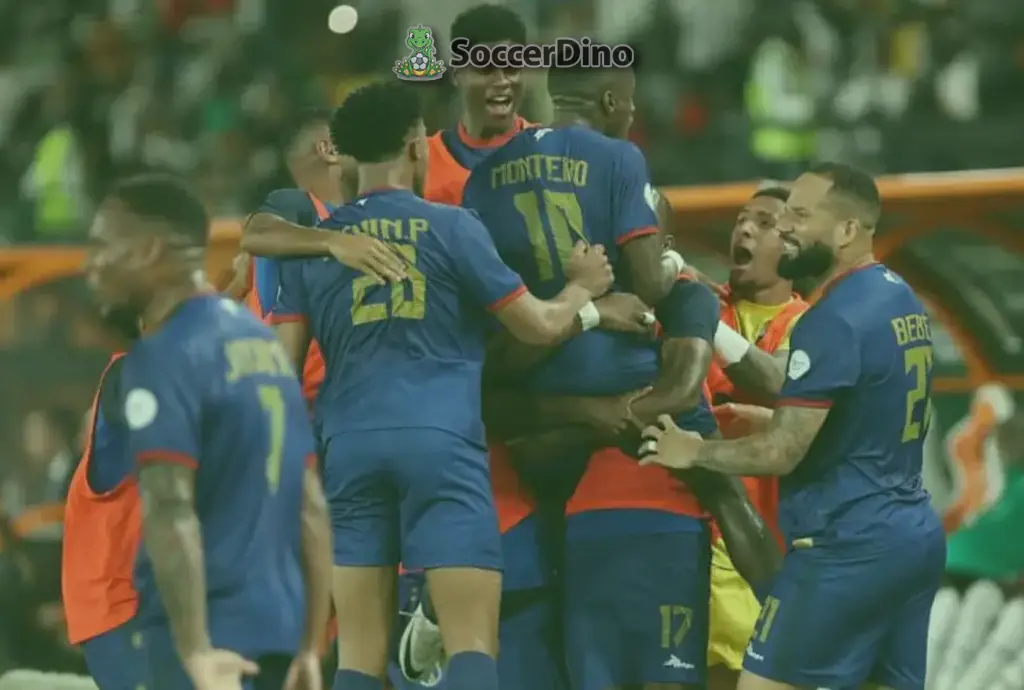
Cape Verde uses the 2026 World Cup as a global stage to strengthen tourism, investment and national visibility
The Cape Verdean Government has unveiled an ambitious international promotion strategy designed to place the country firmly in the global spotlight during the 2026 World Cup. Built around digital communication, tourism partnerships, diaspora engagement and cultural activation, the plan is intended to do far more than simply accompany the national team through its historic participation in the tournament. The broader objective is to transform football visibility into lasting economic, social and reputational gains for Cape Verde.
The announcement was made in Praia by the Minister of Tourism and Transport, José Luís Sá Nogueira, who described the initiative as an integrated national effort to promote the country before, during and after the competition. The message from the government is clear. This is not being treated as a short publicity campaign linked only to a sporting event. Instead, it is being positioned as a strategic opportunity to present Cape Verde to international audiences as a modern, attractive and reliable destination for tourism, business and cultural exchange.
The timing gives the strategy particular weight. The 2026 World Cup will be one of the most visible sporting events in the world and, for Cape Verde, it arrives at a moment of exceptional symbolic importance. The national team will make its debut on football biggest stage, and that milestone alone offers a rare opening to elevate the country image far beyond sport. The government appears determined to ensure that every match, every headline and every moment of attention around the team also serves as a platform for national promotion.
A strategy divided into three major phases
According to the plan presented by the authorities, the strategy is structured in three separate but connected phases. The first phase focuses on the period leading up to the World Cup. This stage is designed to create awareness, build anticipation and position Cape Verde in the minds of international audiences before the tournament even begins. During this period, digital campaigns will likely play a central role, combining official communication, visual branding and storytelling aimed at highlighting the country unique identity.
The second phase will unfold during the competition itself, when media attention around the World Cup will be at its highest point. This is expected to be the most intense period of exposure, with Cape Verde hoping to use the global football audience to showcase its tourism appeal, cultural richness and investment potential. Cultural events, promotional actions around match venues and direct engagement with supporters and diaspora communities are expected to give the strategy a more visible and human dimension.
The third phase looks beyond the tournament. This may ultimately be the most important part of the plan. Sporting attention fades quickly, but the government clearly wants to convert temporary exposure into durable outcomes. That means following up with investors, maintaining tourism campaigns, deepening international partnerships and ensuring that the World Cup becomes a starting point rather than an isolated peak. In this sense, the competition is being treated as a catalyst for a longer process of international positioning.
Digital campaigns and tourism partnerships at the core
One of the strongest pillars of the strategy is its digital component. In a media environment where global visibility is increasingly shaped online, Cape Verde is preparing to use social media campaigns, targeted promotion and influencer driven content to reach international audiences in a direct and modern way. This approach reflects a clear understanding that tourism promotion today depends not only on traditional advertising, but also on digital storytelling, authenticity and audience engagement.
The use of marketing partnerships with tour operators also suggests a practical commercial focus. The objective is not simply to make people aware of Cape Verde, but to encourage travel decisions and convert attention into bookings. By working with operators in key international markets, the government hopes to make the country more visible within tourism distribution channels and easier to access in the minds of potential visitors.
This matters because football tournaments generate emotional connection. A country that becomes familiar to audiences through sport can gain an advantage when those same audiences later think about holiday destinations, cultural experiences or business opportunities. Cape Verde wants to benefit from exactly that shift, turning football recognition into wider interest in its islands, culture, hospitality and economic prospects.
The diaspora as a strategic force
A major part of the plan also rests on the Cape Verdean diaspora, especially in the United States. The Secretary of State for Communities, Vanuza Barbosa, highlighted the expected mobilisation of Cape Verdean associations to welcome the national team and support fans during the tournament. This is a significant point because the diaspora is not being viewed only as a sentimental extension of the country, but as a strategic network with the capacity to amplify visibility, organise events and strengthen the national image abroad.
For Cape Verde, diaspora communities represent a bridge between domestic identity and international influence. They can help create atmosphere around the team, support cultural initiatives, attract media attention and serve as ambassadors for the country values and opportunities. During a World Cup held in a major international environment, that kind of community presence can be highly valuable.
The expected strong participation of the diaspora also gives the strategy an emotional foundation. Football often unites national communities across borders, and Cape Verde appears ready to use that emotional power in a structured and productive way. The government is not relying only on official channels. It is also leaning on the pride, organisation and visibility of Cape Verdeans abroad.
Cape Verde Houses and cultural diplomacy
Among the most eye catching measures in the plan is the creation of Cape Verde Houses in locations connected to the World Cup. These spaces are expected to function as cultural hubs, promotional centres and meeting points for supporters, visitors and partners. If executed well, they could become one of the most effective tools of the entire strategy.
Such spaces can offer much more than fan activity. They can present music, food, cultural heritage, tourism information and networking opportunities in a single environment. They can also reinforce the country image as welcoming, vibrant and culturally rich. In large global events, visibility often belongs not only to what happens on the pitch, but also to the countries that create memorable experiences around the tournament.
That is where cultural diplomacy becomes especially important. Cape Verde may not have the economic scale of larger nations, but it can still leave a strong impression through identity, authenticity and smart presentation. The combination of football, culture and national branding gives the country a chance to stand out in ways that go beyond sporting results.
Turning visibility into economic results
The government has made it clear that this strategy is closely tied to economic ambition. Increased tourist flows, foreign investment and job creation are all central goals of the plan. That indicates a desire to treat the World Cup not simply as a celebration, but as an instrument of development. Public and private resources are expected to be mobilised together in order to maximise the return from the opportunity.
This approach reflects a realistic understanding of how major international moments can influence smaller economies. For countries like Cape Verde, visibility alone is not enough. The challenge is to turn recognition into measurable gains. That means attracting tourists who may never have previously considered the country, encouraging investors to look more closely at local opportunities and strengthening international confidence in Cape Verde as a safe and diverse destination.
The message of safety and diversity is particularly important in tourism branding. Cape Verde has long had strong potential in this area, but the World Cup offers a rare multiplier effect. If the country can communicate its strengths effectively during the tournament and then follow up with smart commercial action, the impact could continue long after the final match has been played.
The football calendar adds momentum
The schedule of the national team adds another layer of excitement to the strategy. Cape Verde will begin its World Cup journey against Spain on 15 June, then face Uruguay on 21 June and Saudi Arabia on 26 June. These fixtures guarantee visibility against major international opponents and create several key moments when the country name will be carried across global sports media.
In parallel, the Cape Verdean Football Federation is preparing the broader presentation of the national team for the tournament. Federation president Mário Semedo confirmed that match tickets will be distributed through a digital platform to be announced soon. He also revealed that the new national team kits will be presented on 13 April in simultaneous events in New York, Lisbon and Cape Verde. That choice of locations is itself symbolic, linking the homeland with important international centres and reinforcing the global identity that this campaign wants to project.
These details show that the strategy is being developed across several levels at once. There is the sporting preparation, the communication plan, the diaspora activation and the tourism message. Together, they form a broad national effort aimed at ensuring Cape Verde enters the 2026 World Cup not only as a participant, but as a country ready to use the occasion with intelligence and ambition.
A defining opportunity for national projection
The 2026 World Cup will be the first edition to feature 48 national teams, making it the biggest tournament in the competitions history. For Cape Verde, participation in such a historic edition creates a powerful narrative of arrival and possibility. The government clearly understands that this is a defining moment, and its response has been to think beyond the pitch.
If the strategy succeeds, the tournament could mark a turning point in how Cape Verde is seen abroad. It could strengthen tourism, widen international interest, energise the diaspora and reinforce national pride. Football may be the trigger, but the ambition extends much further. Cape Verde is not simply preparing to play on the world stage. It is preparing to present itself to the world with purpose, confidence and long term intent.