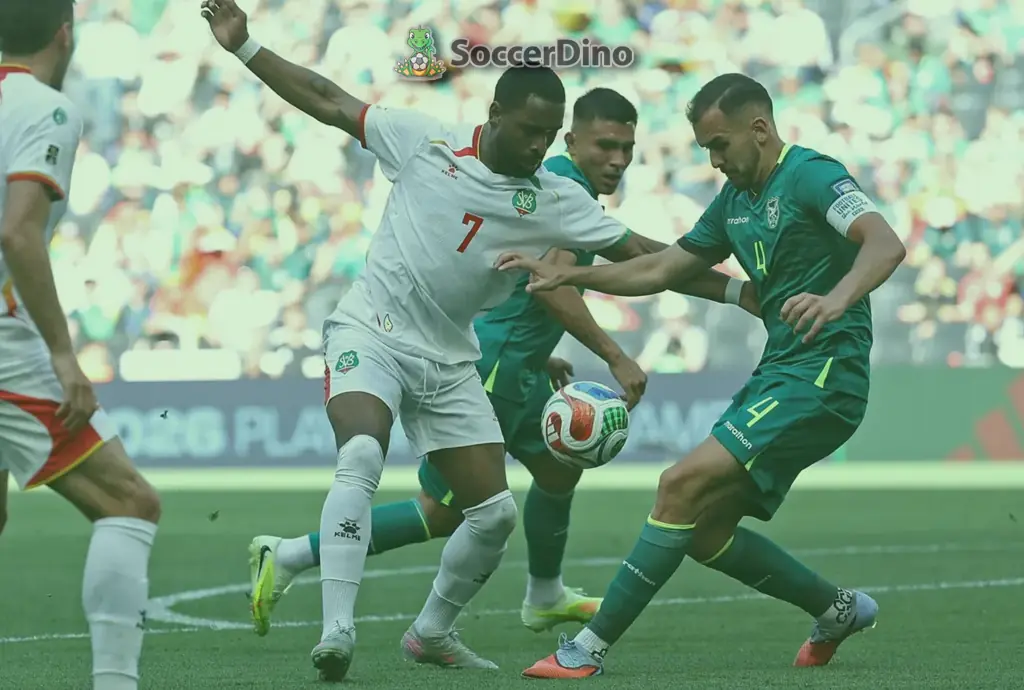
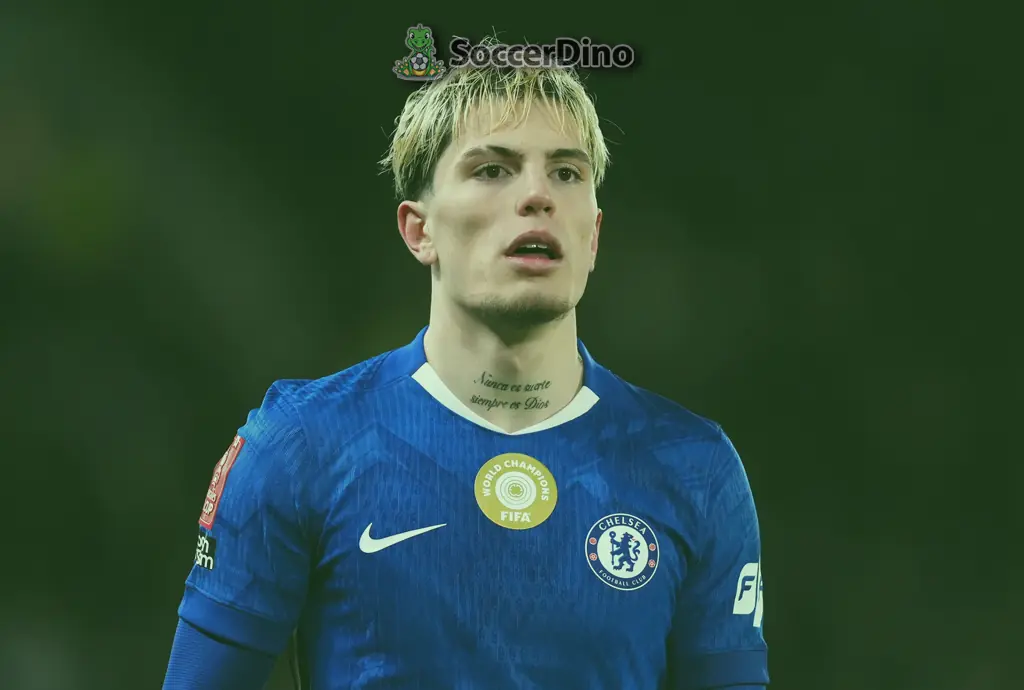
Italy failed to qualify for the 2026 World Cup after a penalty shootout loss to Bosnia, with Gennaro Gattuso close to leaving and Pep Guardiola, Roberto Mancini and Antonio Conte linked with the job.
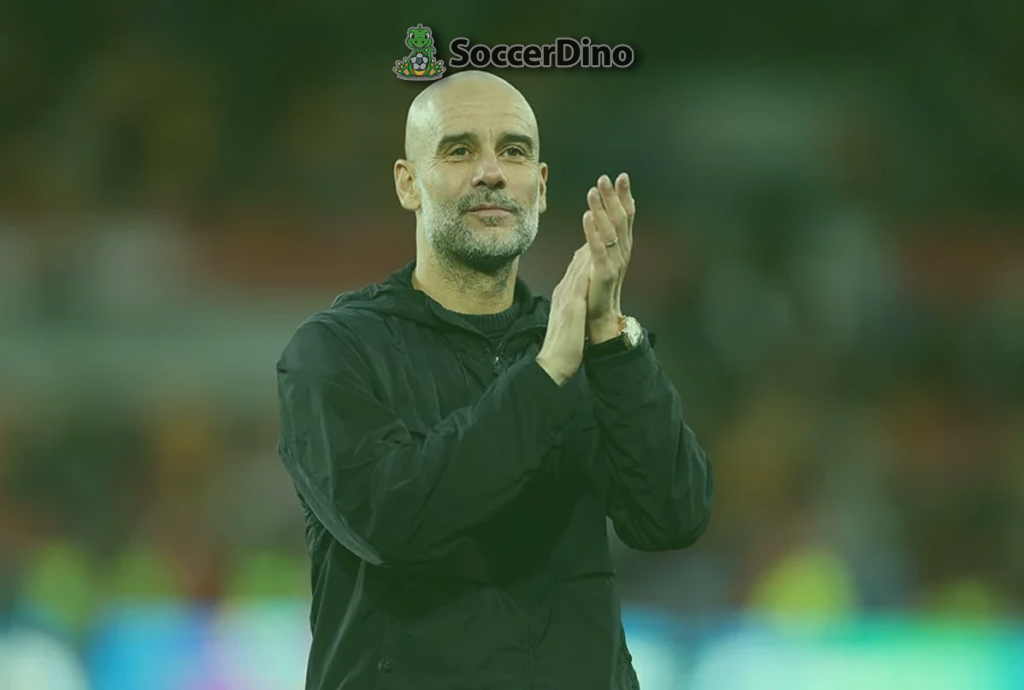
Italy already looking ahead after painful Bosnia defeat
Italy has been left facing a new football crisis after failing to qualify for the 2026 World Cup, with the decisive blow coming in a penalty shootout defeat against Bosnia. The result has triggered immediate fallout around the national team, not only because of the sporting disappointment itself, but also because of what it represents for one of the most decorated countries in international football. Missing out on the biggest tournament in the game is always a major shock for a nation with Italys history, prestige and expectations, and the reaction has been swift.
At the centre of the storm is Gennaro Gattuso, who is now reportedly on the verge of leaving his role as Italy manager. The former midfielder arrived with the image of a strong character, a deep connection to Italian football and the belief that he could restore identity, competitiveness and emotional strength to the national side. However, failing to secure a place at the 2026 World Cup has left his position extremely fragile, and all signs point to an imminent change on the bench.
The defeat against Bosnia will be remembered as one of the most painful nights in recent Italian football. Penalty shootouts are often decided by fine margins, but when the stakes are as high as World Cup qualification, the emotional damage is even greater. Italy had entered the campaign with the clear objective of reaching the tournament and rebuilding confidence at international level. Instead, the team now finds itself once again forced into reflection, criticism and another cycle of reconstruction.
According to the scenario described in the report, Pep Guardiola has emerged as the leading candidate to take over as Italy manager as early as this summer. The possibility of seeing the Manchester City coach at the head of the Azzurri would represent a dramatic and ambitious move, one that would immediately change the conversation around the national team. Guardiola is widely regarded as one of the most influential coaches of the modern era, admired for his tactical innovation, positional football, control of matches and ability to build dominant teams. His appointment would send a powerful message that Italy wants to relaunch the project with a world class figure.
At the same time, such a move would raise enormous expectations. Guardiola has built his reputation mainly in club football, where daily training sessions, long term squad building and detailed tactical work are central to success. International football is very different. Coaches have limited time with players, fewer opportunities to implement complex ideas and a constant need to adapt quickly to short tournament cycles. Even so, the idea of Guardiola leading Italy would be seen by many as a bold attempt to modernise the team and reconnect it with the highest level of global football.
Two other names are also reportedly under consideration. Roberto Mancini, currently in charge of Al Sadd, remains a familiar and significant figure in the Italian national team landscape. He knows the federation, understands the environment and has already shown that he can guide Italy through a successful cycle. That experience could make him a very practical option if the federation decides that stability and knowledge of the national setup are more important than a revolutionary appointment.
Antonio Conte, now at Napoli, is another name on the list and perhaps the one most associated with intensity, discipline and immediate competitive response. Conte is known for demanding total commitment, tactical organisation and high levels of physical and mental focus from his teams. In a moment of frustration and disappointment, some may see him as the ideal coach to restore order, belief and a clear structure. His track record suggests he can quickly make teams harder to beat and emotionally stronger, qualities that would likely appeal to those who believe Italy must first recover its identity before thinking about style.
The presence of Guardiola, Mancini and Conte on the reported shortlist shows that Italy is not simply looking for a replacement, but for a figure capable of defining the next era. Each candidate represents a different path. Guardiola would symbolise prestige, innovation and a modern football revolution. Mancini would bring continuity, experience and knowledge of the national team environment. Conte would offer intensity, authority and a more combative rebuilding process. The choice will say a great deal about how the federation interprets this latest failure and what kind of future it wants to build.
Beyond the coaching question, Italys elimination also raises wider concerns about the state of the national team. Failing to qualify for a World Cup is never just about one bad night. It usually reflects deeper issues involving planning, player development, squad balance, consistency and the ability to cope with pressure in decisive moments. Italian football continues to produce talent and remains highly competitive at club level, but the national team has struggled to transform that potential into reliable results when qualification pressure reaches its peak.
That is why the next appointment will carry more weight than usual. The new manager will not simply be expected to win matches. He will be asked to rebuild confidence, reconnect the squad with the supporters and re establish a strong sporting identity. Italy needs a coach who can do more than organise a team. It needs someone who can restore belief after another major setback and convince players and fans alike that the national side can once again compete with authority on the biggest stage.
The timing of the decision could also be crucial. If the federation wants the new coach in place this summer, it suggests a desire to move quickly and avoid a prolonged period of uncertainty. That would make sense given the emotional and political pressure surrounding the national team. Every day without clarity increases speculation, and every rumour adds more tension to an already fragile situation. A fast decision could help Italy draw a line under the Bosnia defeat and start shaping the next chapter without delay.
For now, the immediate picture is clear. Italy is out of the 2026 World Cup. Gennaro Gattuso appears close to the exit. Pep Guardiola is reportedly the favourite, while Roberto Mancini and Antonio Conte remain serious alternatives. What happens next may define Italian football for years to come. After one of the most bitter disappointments in recent memory, the federation must now decide whether it wants experience, intensity or a global statement appointment. Whatever the answer, the next few weeks look set to be decisive for the future of the Azzurri.