Joaquín Panichelli faces a long recovery after tearing the cruciate ligament in his right knee, ruling him out of the World Cup and ending a brilliant season with Strasbourg.
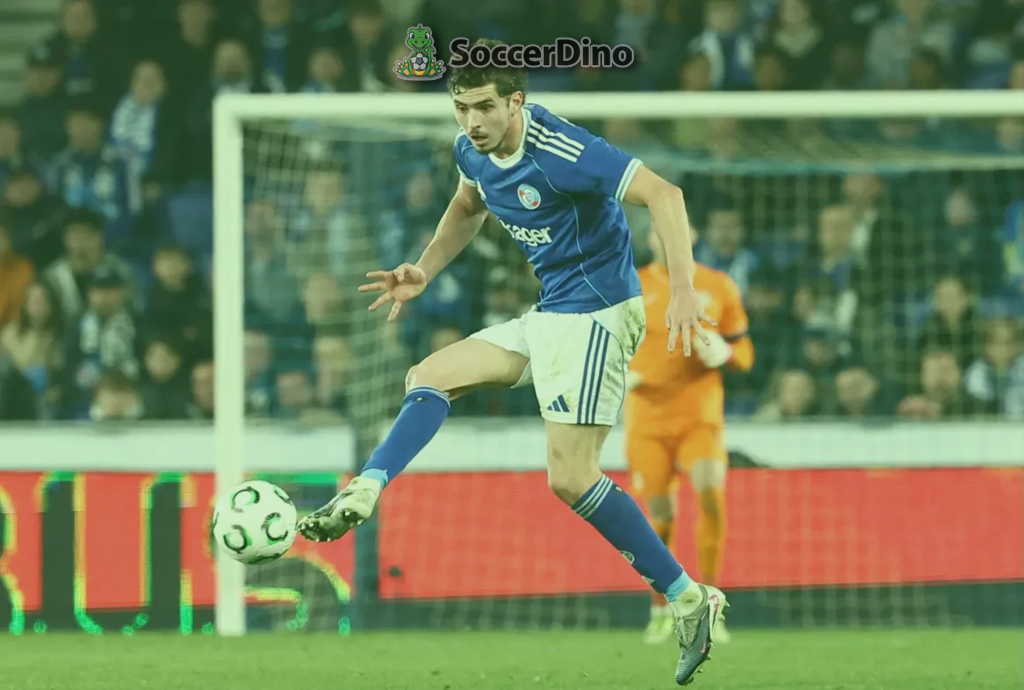
Joaquín Panichelli is facing the toughest setback of his young career after suffering a torn cruciate ligament in his right knee, an injury that will require surgery and a lengthy period of rehabilitation.
For a player who had been enjoying the best season of his career, the timing could hardly have been more painful. The Strasbourg forward, just 23 years old, had built strong momentum through his performances and goals, only for everything to be interrupted in an instant during Argentina final training session before the match against Mauritania.
The injury does not only mean months away from the pitch. It also brings an immediate end to one of the most promising personal stories of the season. Panichelli had scored 20 goals for Strasbourg and was on course to finish as the club top scorer, a milestone that would have underlined his importance and growth. Instead, he now finds himself watching from the sidelines, forced to accept that he will miss this year World Cup and that many of the targets he had worked towards so intensely will now have to wait.
His reaction made it clear just how deeply this blow has affected him. Panichelli spoke openly about the emotional shock of seeing a period of progress and ambition suddenly replaced by pain, uncertainty and recovery. His words were not only those of a player disappointed to be injured, but of a footballer struggling to make sense of the cruel timing of such a moment.
He admitted that he does not fully understand how ideas such as merit or injustice truly work in football or in life, describing them as concepts that can feel fragile and shifting depending on the situation. Yet he was equally clear on one point: nobody deserves this kind of suffering. It was a raw and honest reflection from a player who, only days earlier, would have been thinking about matches, goals and major opportunities, not surgery tables and rehabilitation schedules.
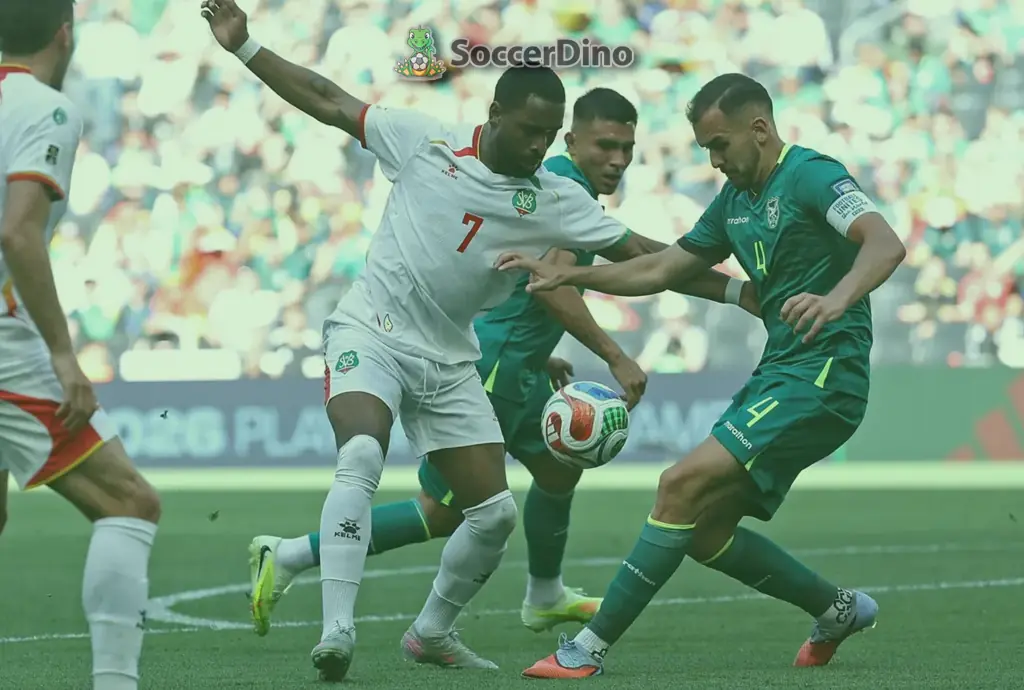
What makes the injury even harder to accept is the context in which it happened. Panichelli was not struck down during a high intensity match in front of thousands of spectators. It came in training, in the final preparations before Argentina game against Mauritania, which ended in a 2 1 victory. Training ground injuries can often feel especially cruel because they arrive without the adrenaline, spotlight or direct competitive action that usually define football setbacks. In a matter of moments, a routine session turned into a life changing event for the striker.
His message after the diagnosis showed both pain and defiance. Panichelli described this as one of the hardest moments of his life, particularly because it came at a stage when several of his objectives were within reach. That line captures the true weight of the situation. He was not simply in good form. He was at a point where years of work appeared to be turning into tangible rewards. The World Cup was on the horizon, his scoring numbers were strong, and his status at club level was growing. Everything pointed toward progress. Then came the injury.
Still, if there was despair in his words, there was also determination. Panichelli made it clear that he does not want pity. That part of his response may end up defining how he approaches the next chapter of his career. He stressed that nothing has ever been handed to him and that every step forward has been earned through effort, sacrifice and resilience. That mindset could prove vital in the months ahead, because recovery from a cruciate ligament injury is as much a mental battle as a physical one.
For attacking players in particular, knee injuries of this kind are a major test. A forward relies not only on finishing ability, but also on acceleration, balance, sharp movement, changes of direction and explosive confidence in the body. Returning from such an injury is never just about being medically cleared. It is about rebuilding trust in every sprint, every turn and every challenge. Panichelli will now have to go through that long process while coping with the frustration of being separated from the game at a time when he had every reason to feel optimistic.
At Strasbourg, his absence is likely to be felt heavily. A 20 goal return is not easy to replace, especially when those goals come from a player still developing and carrying increasing attacking responsibility. Panichelli season had made him one of the most important figures in the team, not just because of the numbers but because of the sense that he was still climbing. Players who hit this kind of form at his age often enter a new level of recognition, both at club and international level. The injury now interrupts that rise, but it does not erase what he has shown.
The long term question will be how he responds once the recovery is complete. Many players have returned from serious knee injuries and gone on to rebuild excellent careers, but that road is never simple. It demands patience, discipline and emotional control. There will be stages in which progress feels fast, and others in which it feels painfully slow. For a player who had been measuring his life in goals, matches and immediate objectives, adapting to a recovery calendar will be a difficult but necessary shift.
Yet Panichelli own words suggest that surrender is not part of his character. He insisted that life will not simply hand him the dreams he still wants to achieve, and that he will have to go and earn them, just as he always has. That statement may resonate strongly with supporters and teammates because it reflects a footballer trying to transform disappointment into motivation. It is the language of someone hurt, but not broken.
For now, the headlines are understandably focused on what he will miss. The World Cup is gone. The rest of the season is gone. The race to remain Strasbourg leading scorer is likely gone as well. Those are brutal realities for any player, especially one who felt so close to something special. But beyond the immediate sense of loss, there is another story beginning, one centred on recovery, resilience and the determination to come back stronger.
Panichelli may be inconsolable today, and with good reason. The pain of such a setback cannot be disguised. But the way he has responded already suggests that this injury, however devastating, will not be allowed to define him forever. It has delayed his ambitions, not ended them. His journey now enters a much harder phase, but the fight to reclaim everything he has lost has already begun.