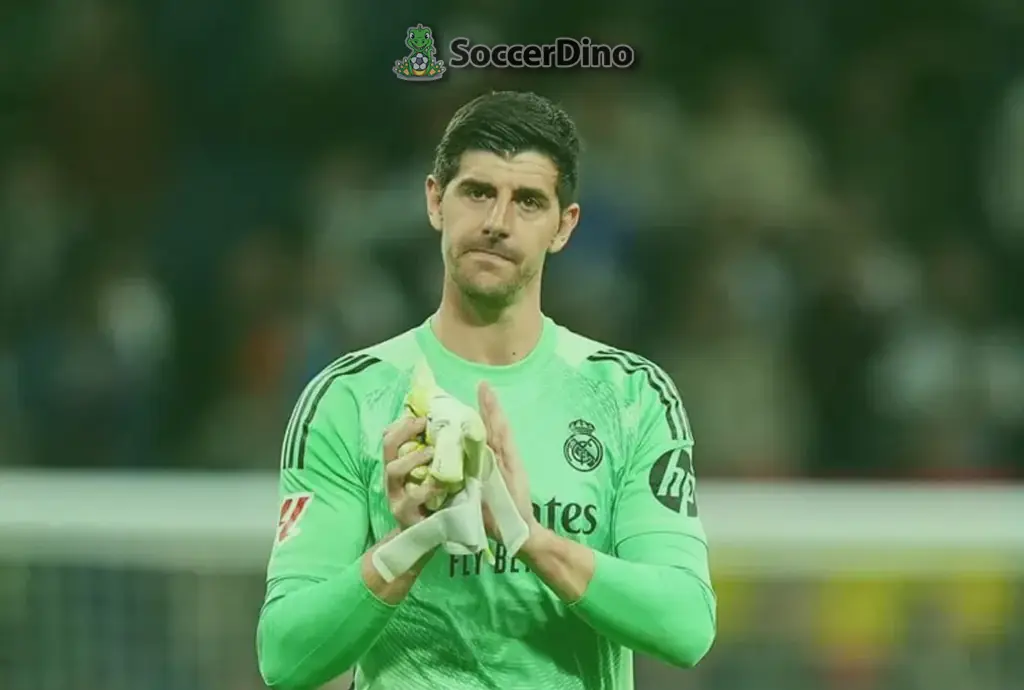
Suriname will not take part in the World Cup in the United States, Canada and Mexico next summer. During the night from Thursday to Friday, the side coached by Henk ten Cate was beaten by Bolivia, who finished seventh in the South American World Cup qualifying campaign, in the semi-finals of the intercontinental play-offs. Bolivia will face Iraq on Wednesday morning for a World Cup ticket.
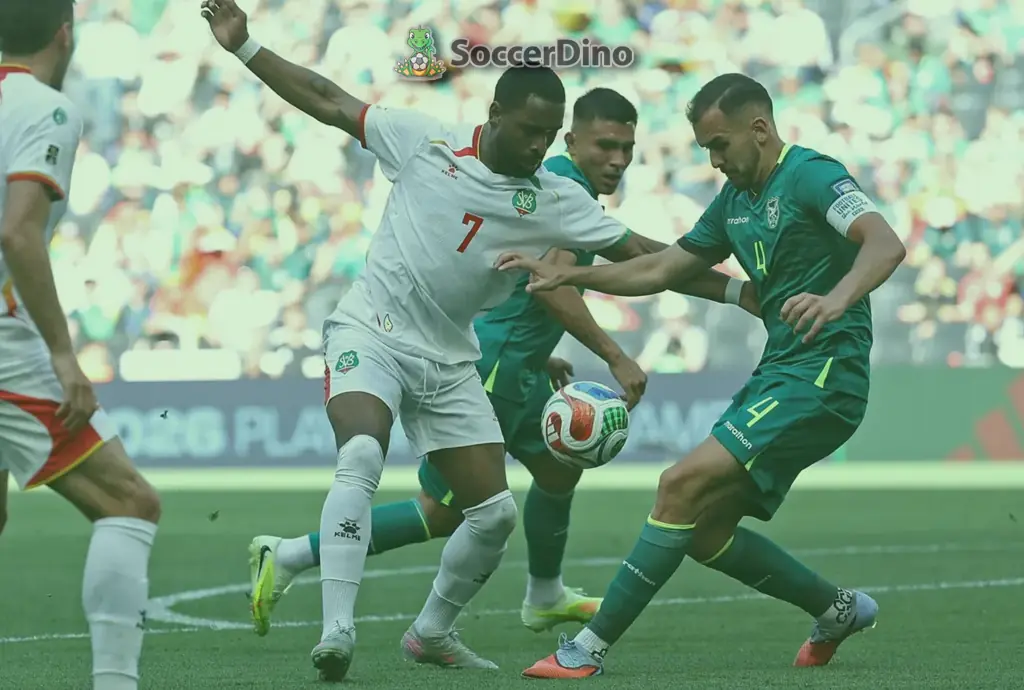
Bolivia ended Suriname’s World Cup dream with a 2-1 victory in Monterrey, knocking Henk ten Cate’s side out in the semi-finals of the intercontinental play-offs and leaving Natio to reflect on another missed chance to reach the biggest tournament in international football.
In a match that swung sharply after the break, Suriname enjoyed strong moments, took the lead early in the second half and briefly looked capable of writing an important chapter in the country’s football history. But Bolivia responded with greater urgency in the closing stages, turned the score around and claimed a place in the next round, where a final World Cup ticket remains within reach.
For Suriname, the defeat was a painful ending to a campaign that had carried real hope. The team had already let direct qualification slip away in November last year under Stanley Menzo, which made this route through the intercontinental play-offs both a second chance and a major test of character. With Ten Cate now in charge, there was fresh belief that this talented and increasingly competitive group could still rescue the campaign. The setting added to the occasion. The match was played at Estadio BBVA in Monterrey, one of the stadiums that will also host matches at the World Cup Intercontinental, and the atmosphere carried the feeling of a dress rehearsal for football’s biggest stage.
The conditions were difficult from the start. The thermometer in Monterrey showed 32 degrees Celsius, and that heat had a visible effect on the rhythm of the game. Both teams approached the contest with a degree of caution in the opening exchanges, aware that one mistake could define the entire night. Bolivia produced the first real warning sign with a long-range effort, but Etienne Vaessen, back fit and alert, dealt with the danger well. Under the watchful eye of FIFA president Gianni Infantino, the contest slowly opened up, with Bolivia initially looking the more comfortable of the two sides.
Suriname needed time to settle. Bolivia pressed with intent, moved the ball confidently and tried to impose themselves physically, while Suriname at first looked slightly pinned back. Yet as the first half developed, Ten Cate’s side began to grow into the match and started to create chances of their own. One of the most interesting storylines before kick-off had been the debuts of Melayro Bogarde and Joel Piroe, two players expected to add fresh quality and energy to the national team. Both were given their opportunity on a huge night, and Suriname soon began to show signs that they could hurt Bolivia.
The first major opening came after a long kick from Vaessen released the attack. Gyrano Kerk did well to bring Piroe into the move, and the chance suddenly fell to the debutant in a promising position. It was the type of moment that could have changed the entire flow of the game, but Piroe could not keep his effort down and fired over. Soon after, Suriname came close again, this time through defender Myenty Abena, who found himself in front of Bolivia goalkeeper Guillermo Viscarra. The Bolivia keeper survived the moment with a combination of fortune and instinct, and Suriname were left to wonder whether those missed opportunities would return to haunt them.
They almost did before half-time. Bolivia created their own excellent chance when Robson Matheus found himself one on one with Vaessen. The Suriname goalkeeper had to stay calm, and he was helped by the fact that the chipped finish lacked direction. Even then the danger was not over, but Suriname somehow escaped without conceding. It was a reminder that while Suriname were becoming more threatening going forward, Bolivia still carried clear attacking danger whenever the game became stretched.
Ten Cate made an immediate change after the interval, sending on Radinio Balker for Jean-Paul Boetius, and the adjustment appeared to inject fresh urgency into Suriname. The second half began in exactly the way the coach would have hoped. Suriname were more aggressive, played with greater confidence and quickly pushed Bolivia back toward their own area. That positive spell soon produced a breakthrough. A close-range effort from Bogarde was blocked by a desperate sliding defender, but the rebound fell kindly and Van Gelderen reacted faster than anyone else. The RKC Waalwijk defender showed determination and composure to poke the ball beyond Viscarra and give Suriname a 1-0 lead.
At that point, the game seemed to be moving in Suriname’s favour. They kept the pressure on, continued to attack and looked capable of finding a second goal. Kerk remained a dangerous outlet, and Bolivia, shaken by the goal, struggled for a period to regain control. For a while, Suriname looked like the stronger and more confident side. But knockout matches can change quickly, especially in difficult physical conditions, and the heat began to play a bigger role as the half went on.
After about an hour, both Vaessen and Van Gelderen were affected by cramp. Although both managed to continue, it was a sign that the physical demands of the evening were becoming increasingly severe. Bolivia seemed to sense that Suriname were beginning to tire, and gradually the balance of the game shifted. Their passing became a little sharper, their movement a little more aggressive and their pressure more sustained. Suriname, who had looked in control, were suddenly being pushed backward.
The equaliser arrived through Moises Paniagua, and it came from one of those moments that can define tight, tense matches. The ball broke kindly for him inside the penalty area, and he reacted quickly to stab it home for 1-1. For Suriname, it was a cruel blow, not only because it cancelled out their hard-earned lead, but also because it arrived just as Bolivia were beginning to believe more strongly in a comeback. Momentum shifted immediately.
Vaessen then did his best to keep Suriname alive, producing an important save to deny Miguel Terceros, but the pressure continued to build. Bolivia were now attacking with more conviction, and Suriname were struggling to restore the composure they had shown earlier in the half. The decisive moment came when Abena fouled substitute Juan Godoy inside the area. The referee pointed to the spot, and suddenly Suriname were staring at elimination. Terceros stepped up and finished the penalty with confidence, turning the match completely around and giving Bolivia a 2-1 lead.
From there, Suriname had little left in reserve. Ten Cate tried to change the energy of the match with fresh legs, including Dion Malone and Sheraldo Becker, but Bolivia had seized control of both the scoreboard and the emotional momentum. Suriname pushed forward in search of a late equaliser that would have forced extra time, yet the final stages lacked the precision and sharpness required to produce one last opening. Bolivia defended their advantage and closed the game out, while Suriname saw their World Cup hopes disappear in the Mexican heat.
For Ten Cate and his players, the defeat will be especially frustrating because there were long stretches when qualification still felt possible. Suriname had chances in the first half, took the lead in the second and for a time looked composed enough to manage the occasion. But at this level, small margins decide everything. The missed opportunities before the break, the physical drop in the final half hour and the costly penalty all combined to turn a promising position into elimination.
There will still be positives for Suriname to take from the campaign. The team has shown growth, depth and ambition, and the integration of new faces such as Bogarde and Piroe points to a squad that can continue developing. Even so, on this night the overriding feeling will be disappointment. The World Cup dream was alive, the stage was set and Suriname came close to something historic. Instead, Bolivia found the stronger finish, won 2-1 and moved on, while Natio were left to wonder what might have been.