Barcelona were rebuffed twice by UEFA in quick succession. First, the complaint about the refereeing in last week’s Champions League match against Atletico Madrid was declared inadmissible. Then Atletico were also upheld in the dispute over the pitch.
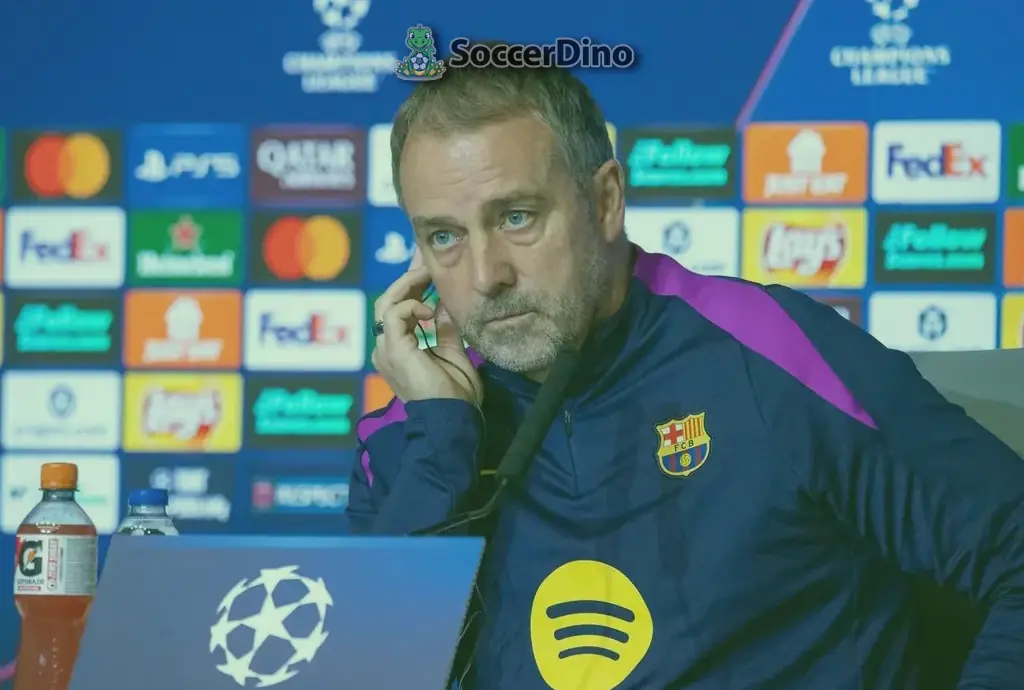
Barcelona hit with double UEFA setback ahead of decisive Atletico Madrid clash
Hansi Flick and his players travel into a tense Champions League night after seeing both their refereeing complaint and pitch concerns dismissed. Barcelona head into one of their biggest nights of the season under a cloud of frustration after receiving two separate blows from UEFA in the space of a few hours. What was already shaping up to be a highly charged Champions League showdown against Atletico Madrid has now become even more emotionally loaded, with the Catalan club seeing both their official complaint about refereeing decisions and their concerns over the state of the pitch rejected before kick off.
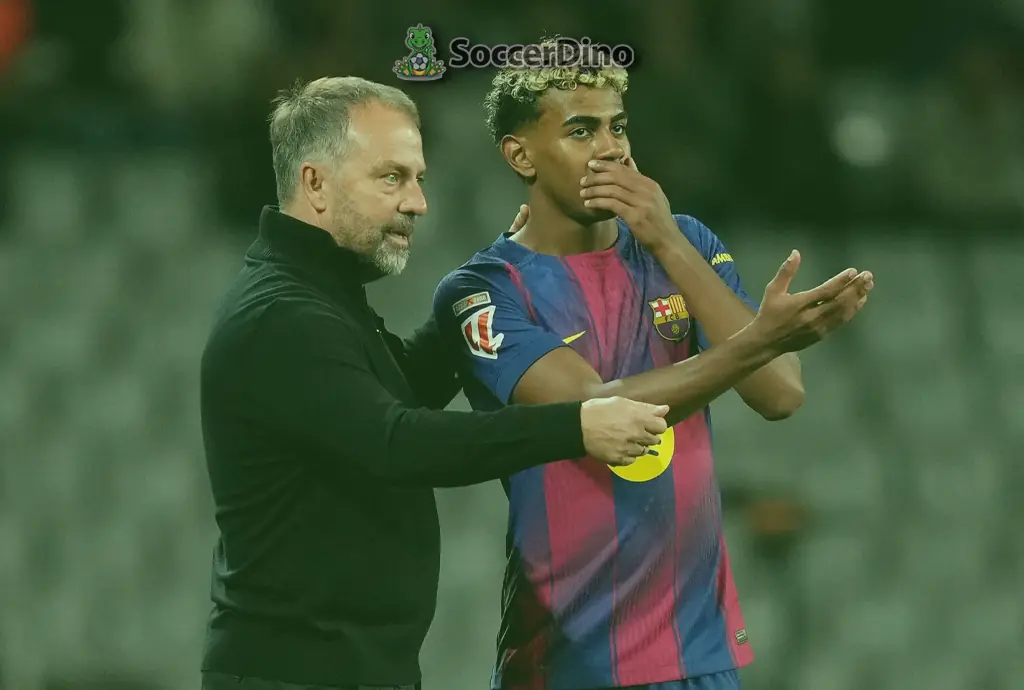
The tension has been building ever since Barcelona lost 2 to 0 to Atletico Madrid in the first leg, a result that left the Spanish giants not only chasing the tie but also furious with several key moments that they felt had gone against them. Hansi Flick did not try to hide his anger after that defeat. The Barcelona manager was visibly upset by the officiating, particularly after Pau Cubarsi was sent off shortly before half time and after Marc Pubill appeared to handle the ball in the area without Barcelona being awarded a penalty. In Flicks view, those moments had a major impact on the direction of the game, and inside the club there was a strong sense that the team had not been treated fairly in such an important European match.
Barcelona decided to back their coach and turn that frustration into formal action. The club lodged an official complaint with UEFA over the handball incident involving Pubill, hoping that the governing body would at least review the situation and acknowledge their concerns. Instead, the answer that arrived was blunt and deeply unsatisfying from Barcelonas perspective. UEFA made it clear on Tuesday afternoon that the complaint would not lead anywhere. In an official statement, the organisation confirmed that the protest related to the referees decision in the first leg of the Champions League quarter final had been declared inadmissible by the ethics committee on April 13, 2026.
That response alone would have been enough to irritate Barcelona, especially given the sense of injustice that lingered after the first meeting between the sides. But the bad news did not stop there. Shortly afterwards, UEFA also ruled against Barcelona in a second matter, this time involving the condition of the playing surface at the Riyadh Air Metropolitano. Flick had raised concerns after Mondays training session in Madrid, where he felt the ball was not bouncing properly and suspected that the grass was longer than it should have been. In matches of this level, where rhythm, passing speed and movement can define everything, those details matter. Coaches are always alert to anything that might affect performance, and Flick clearly felt that the surface deserved closer inspection.
Barcelona requested an official pitch inspection, and UEFA stepped in to assess the situation. Atletico Madrid strongly denied that there was any issue, and the governing body soon delivered a verdict that again went against the visitors. According to several Spanish media outlets, UEFA informed both clubs that the grass measured 26 millimetres, comfortably within the maximum permitted limit of 30 millimetres. In other words, there would be no intervention, no correction and no support for Barcelonas complaint. The message was clear: as far as UEFA was concerned, Atletico had done nothing wrong.
The timing of those decisions only adds to the pressure surrounding the match. Barcelona were already facing the difficult task of trying to overturn a two goal deficit away from home against one of the most disciplined and combative teams in Europe. Now they go into the game feeling as if every attempt to challenge the conditions around the tie has been shut down. Whether or not that turns into extra motivation on the pitch remains to be seen, but emotionally there is no doubt that the atmosphere has become even more intense.
For Flick, this is now about channelling that frustration into a performance rather than allowing it to become a distraction. Managers often speak about controlling the controllables, and that message will likely be central inside the Barcelona dressing room. There is little value in continuing to argue with decisions that have already been made. The only meaningful response left is on the field, where Barcelona must show enough quality, composure and belief to rescue the tie. That is easier said than done against an Atletico side that thrives in hostile, chaotic and emotionally charged situations.
Atletico, for their part, will feel vindicated by the latest developments. They have not only taken a valuable first leg lead, but have also seen UEFA reject every concern raised by their opponents. From their point of view, the controversy will only reinforce the idea that they have earned their advantage and that Barcelona are looking for explanations outside the football itself. That narrative is one Diego Simeones teams usually embrace. Atletico have built their identity on conflict, resistance and confrontation, and there is little doubt that they will use the current mood to sharpen their own focus before kick off.
Still, the bigger picture is impossible to ignore. Nights like this are rarely decided by statements, complaints or measurements of grass. They are decided by composure in front of goal, resilience under pressure and the ability to handle the emotional swings that come with elite European football. Barcelona will know that no administrative outcome is going to change what happened in the first leg. They have to live with the red card, live with the missed penalty claim and live with the condition of the pitch. What they do next is what will define whether this story becomes one of outrage or one of recovery.
There is also a psychological element that could shape the contest. When a team feels wronged, it can either lose its balance or become sharper and more united. Flick will be desperate for the second reaction. He will want his players to use the perceived injustice as fuel, not as an excuse. That means staying calm in difficult moments, refusing to get dragged into unnecessary confrontations and making sure that the football remains central. Against Atletico, that is always a challenge. Few teams are better at disrupting rhythm, frustrating opponents and making matches feel uncomfortable from the first minute to the last.
So the stage is set for a night filled with tension, noise and scrutiny. Barcelona arrive in Madrid with a mountain to climb and with the feeling that little has gone in their favour off the pitch. UEFA have dismissed their complaint about the refereeing, cleared Atletico over the condition of the grass and effectively told the Catalan club to move on. That will not ease the anger inside the visiting camp, but it does clarify the situation. There are no more appeals to wait for and no more decisions to challenge. Only the football remains, and for Barcelona that means delivering a performance big enough to silence the controversy and keep their Champions League dream alive.