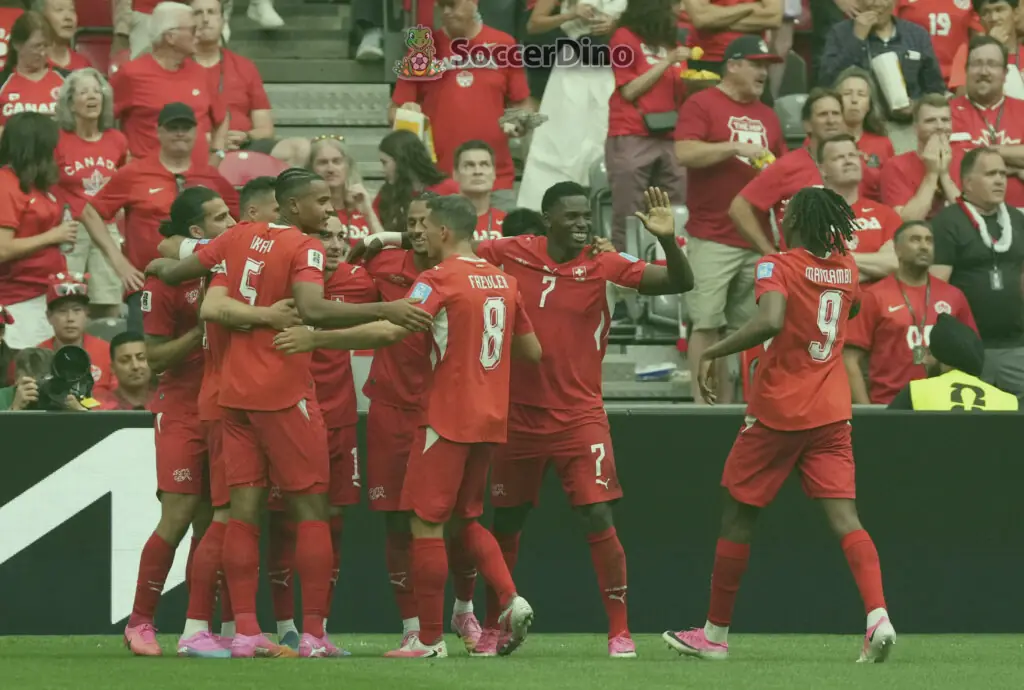
Belgium fight back from 2-0 down to beat Senegal 3-2 after extra time, with Youri Tielemans scoring twice to reach the World Cup last 16.
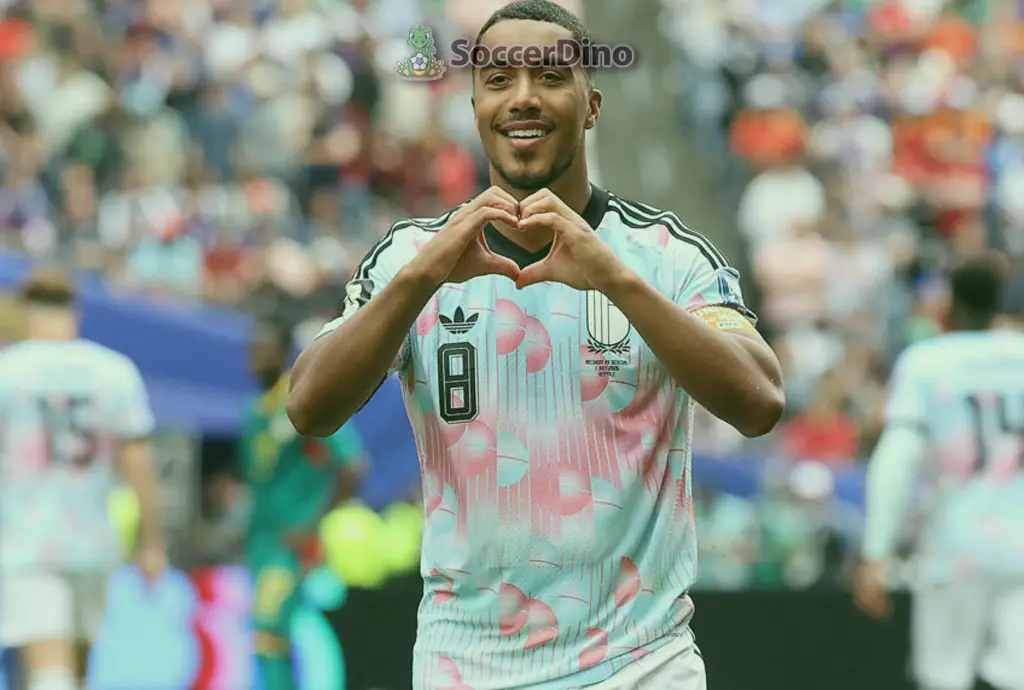
Tielemans leads dramatic Belgium comeback as Senegal collapse late in Seattle
Belgium are through to the last 16 of the 2026 World Cup after surviving a major scare against Senegal and completing a dramatic 3-2 comeback after extra time at Lumen Field, in Seattle.
For most of the match, Belgium looked uncomfortable, slow and close to elimination. Senegal were 2-0 ahead early in the second half and appeared to have control of the contest, but the final stages changed everything. Romelu Lukaku reduced the deficit in the 86th minute, Youri Tielemans forced extra time with an equaliser in the 89th minute and the same midfielder then scored the decisive penalty in the 120+5th minute.
The result sends Belgium into the last 16, where they will face the United States. It also leaves Senegal with a painful exit after a match in which they had been superior for long periods, only to lose energy, territory and control when the pressure increased near the end.
Belgium survive after looking beaten for most of the match
This was not a comfortable Belgian performance. Rudi Garcia’s side spent much of the first 70 minutes struggling to impose themselves, often appearing disconnected between defence, midfield and attack. Senegal were sharper in the duels, more compact between the lines and far more convincing in transition.
The Lions of Teranga started with confidence and quickly showed that they were not going to sit deep and wait for Belgium to make mistakes. They pressed with purpose, moved the ball patiently when needed and used the mobility of their attacking players to stretch a Belgian team that found it difficult to settle into a rhythm.
Belgium had more experience in several areas of the pitch, but that experience did not immediately translate into control. Kevin De Bruyne struggled to dictate the match before being substituted, Jeremy Doku was unable to consistently break the Senegalese structure and Charles De Ketelaere was replaced at half-time by Romelu Lukaku as Garcia searched for a stronger presence in attack.
Senegal, by contrast, looked more balanced. Idrissa Gana Gueye and Pape Gueye gave the team stability in midfield, while Sadio Mané, Ismaila Sarr and Iliman Ndiaye offered movement and threat in advanced areas. For a long spell, Senegal looked like the side with the clearer plan.
Sarr warning comes before Diarra opener
The first real warning came in the 13th minute, when Ismaila Sarr struck the post. It was a sign of what was coming. Senegal were growing into the match, finding space in wide areas and forcing Belgium to defend deeper than they wanted.
The opening goal arrived in the 24th minute and came from a patient Senegalese attack. Sadio Mané delivered the cross, Sarr headed against the post and Habib Diarra reacted quickly to score from the rebound. It was a deserved lead for Pape Thiaw’s side, who had been more aggressive, more organised and more dangerous.
Belgium tried to respond before the break, but without much conviction. Their best moment of the first half came in the 45th minute, when Maxim De Cuyper forced Mory Diaw into a save. It was a rare Belgian attack with real purpose, but not enough to change the tone of the first half.
At half-time, Senegal led 1-0 and Belgium had serious problems to solve. The scoreline was narrow, but the performance suggested a team struggling to find fluency against an opponent that looked tactically and physically sharper.
Senegal double the lead and Belgium look in trouble
Belgium needed a strong start to the second half, but instead Senegal struck again. In the 51st minute, Moussa Niakhaté played a long pass forward, Sarr controlled it brilliantly with his chest and finished with power and precision to make it 2-0.
That goal seemed to confirm Senegal’s superiority. They had started the second half with the same energy and clarity that had marked their first-half performance. Belgium looked exposed and slow to react, while Senegal appeared calm and in control.
At that point, Belgium were facing the real possibility of an early knockout exit. The team had possession at times, but it lacked intensity and penetration. The front line was not connecting with the midfield, and Senegal continued to defend with discipline while waiting for moments to break forward.
Garcia had already made one major change by bringing on Lukaku at the interval, and he continued to adjust the team. Nicolas Raskin and Dodi Lukebakio entered in the 56th minute, Diego Moreira followed in the 63rd minute and Thomas Meunier came on in the 78th minute. Those substitutions gradually changed the match.
The hydration break becomes a turning point
One of the most important moments of the match came during the hydration break. Belgium were still behind and frustration was visible. Leandro Trossard and Youri Tielemans were involved in an intense discussion, a sign of the tension inside the Belgian camp.
From that moment, however, Tielemans began to take on a more advanced and influential role. He started appearing closer to the Senegal penalty area and became more involved in Belgium’s final actions. It was a subtle change at first, but it would eventually define the match.
Senegal, meanwhile, began to retreat. The team that had played with such confidence for 70 minutes started to lose ground. The midfield line dropped, the attacking outlets became less frequent and Belgium were allowed to push more players forward.
The physical decline was clear. Senegal were still defending their lead, but they were no longer controlling the rhythm of the match. Belgium sensed that the game was not over and began to create pressure around the box.
Lukebakio warning sets up Belgian comeback
Dodi Lukebakio, the Benfica winger, gave Belgium one of their first clear signs of danger in the 78th minute with a curling effort. It did not bring the goal, but it showed that Belgium were finally finding spaces and asking harder questions of the Senegal defence.
The breakthrough came in the 86th minute. Thomas Meunier, who had only recently entered the match, delivered the pass and Lukaku reacted inside the area with an opportunistic touch to make it 2-1. Suddenly, the match changed completely.
Senegal had spent most of the contest looking composed, but the goal forced them into a difficult final few minutes. Belgium, who had looked short of ideas for long periods, now had belief. The pressure increased and Senegal could no longer escape with the same calm they had shown earlier.
Just 3 minutes later, Belgium were level. Mory Diaw came out poorly, leaving the goal exposed, and Tielemans headed into an empty net in the 89th minute. From 2-0 down with little time left, Belgium had forced the match into extra time.
Tielemans takes control of the biggest moments
Tielemans had already saved Belgium from elimination once, but his biggest moment was still to come. The Aston Villa midfielder became the central figure of the tie, not only because of his goals but because of the way he grew into the match when Belgium needed leadership.
His equaliser changed the emotional balance of the game. Senegal had been minutes away from the last 16, but now had to survive extra time after losing a 2-goal lead. Belgium, despite the fatigue and the uneven performance, suddenly looked like the team with momentum.
The first half of extra time ended with the score still level at 2-2. Senegal tried to recover some control, but the signs of tiredness remained. They were defending deeper and no longer pressing Belgium with the same conviction.
In the second half of extra time, Senegal briefly threatened again. Ibrahim Mbaye shot wide in the 109th minute, offering a reminder that the match was not only moving in Belgium’s direction. But the final pressure belonged to the Red Devils.
VAR penalty decides the match in the final seconds
Belgium pushed again in the closing stages. Lukebakio struck the crossbar as the Senegal defence came under increasing pressure, and then came the decisive incident deep into stoppage time of extra time.
Lamine Camara was judged to have fouled Tielemans inside the penalty area. Honduran referee Said Martínez took his time reviewing the incident with the video assistant referee before confirming the penalty. It was a huge decision at a decisive moment, and one that gave Belgium the chance to complete an extraordinary comeback.
Tielemans stepped up in the 120+5th minute and scored from the spot to make it 3-2. It was his second goal of the match and the strike that sent Belgium through. For Senegal, there was no time left to recover.
The final whistle confirmed Belgium’s place in the last 16 and ended Senegal’s World Cup run in cruel fashion. For 70 minutes, Pape Thiaw’s team had looked capable of knocking Belgium out. By the end, they were left to regret a collapse that came when the match seemed almost under control.
A painful defeat for Senegal after a strong performance
Senegal will look back on this match with enormous frustration. They had the better structure for much of the evening, scored 2 well-constructed goals and forced Belgium into long periods of uncertainty. Their midfield balance, led by Idrissa Gana Gueye and Pape Gueye, gave them control for a large part of the contest.
The problem was the final stretch. After the hydration break, Senegal dropped too deep and were unable to keep the ball high enough up the pitch. The substitutions changed the rhythm, but not in their favour. As Belgium added more attacking options, Senegal began to defend closer to their own goal and lost the ability to relieve pressure.
The late goals were not isolated accidents. They came from a growing shift in momentum. Belgium were not brilliant throughout, but they stayed alive and found a way to punish Senegal when physical fatigue and defensive uncertainty appeared.
That will make the defeat even harder to accept. Senegal were not outplayed from start to finish. They were beaten after losing control of a match they had done so much to command.
Belgium advance, but questions remain
For Belgium, the result brings relief more than comfort. Reaching the last 16 is the priority, and the comeback showed character, but the performance also raised several questions. For long periods, the team looked vulnerable, slow in possession and too dependent on individual moments.
Rudi Garcia will take positives from the reaction, especially from the substitutes and from Tielemans’s decisive role. Lukaku’s introduction gave Belgium a focal point, Lukebakio added direct threat and Meunier contributed to the goal that began the comeback. Those changes helped rescue a match that was drifting away.
Still, Belgium cannot afford to repeat the same slow start against the United States. The next round will demand more control, more intensity and better defensive concentration. A comeback like this can build belief, but it can also hide problems if the warning signs are ignored.
The Red Devils are alive in the tournament, but they were pushed to the limit in Seattle. If they want to go deeper, they will need to show more than late resilience.