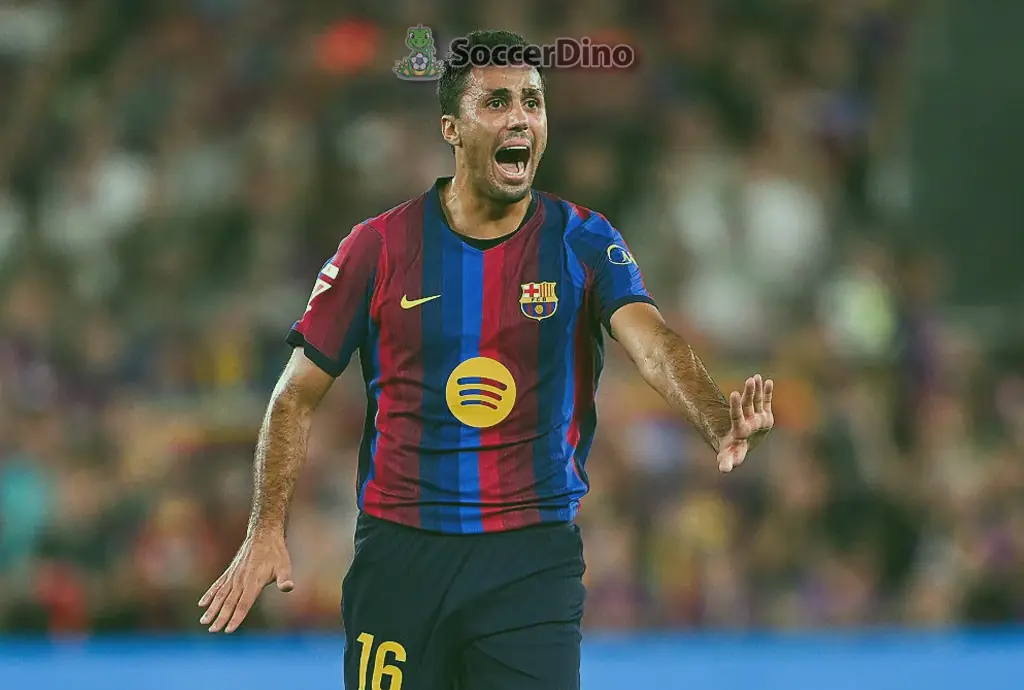
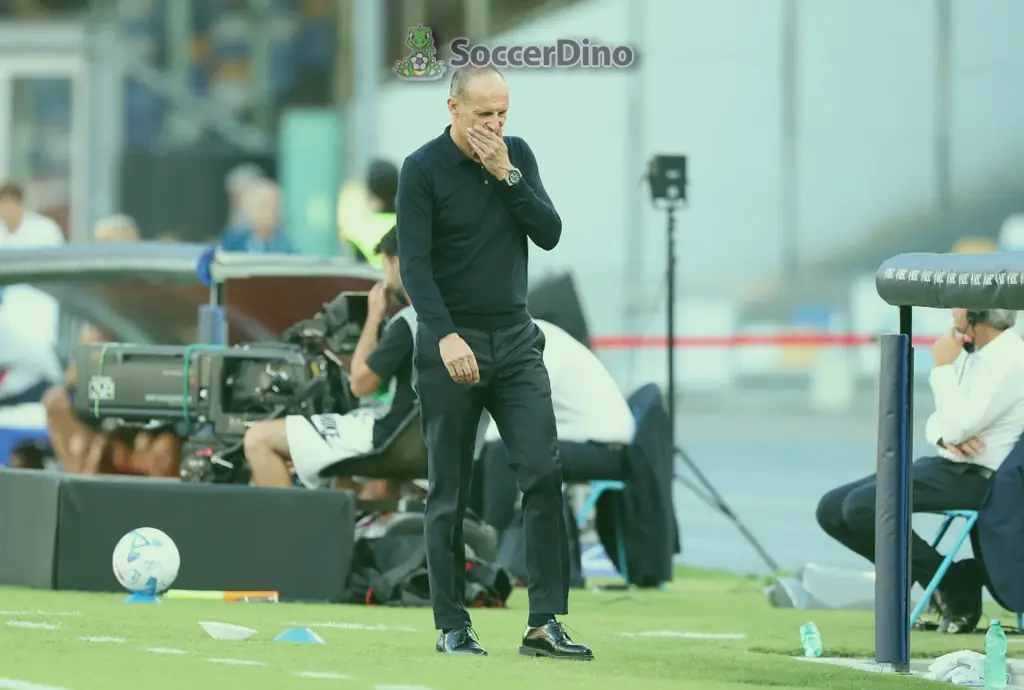
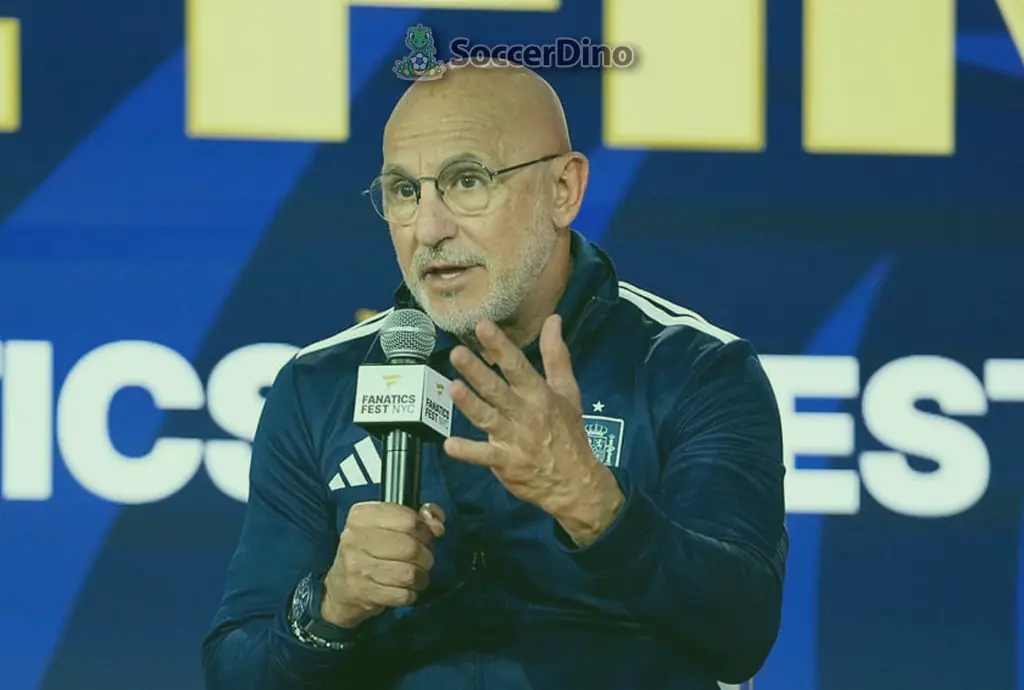
From Messi and Mbappé to Ronaldo and Ibrahimovic, discover how controversial benching decisions sparked major clashes between football stars and their managers.
When football superstars clash with their managers over being left on the bench
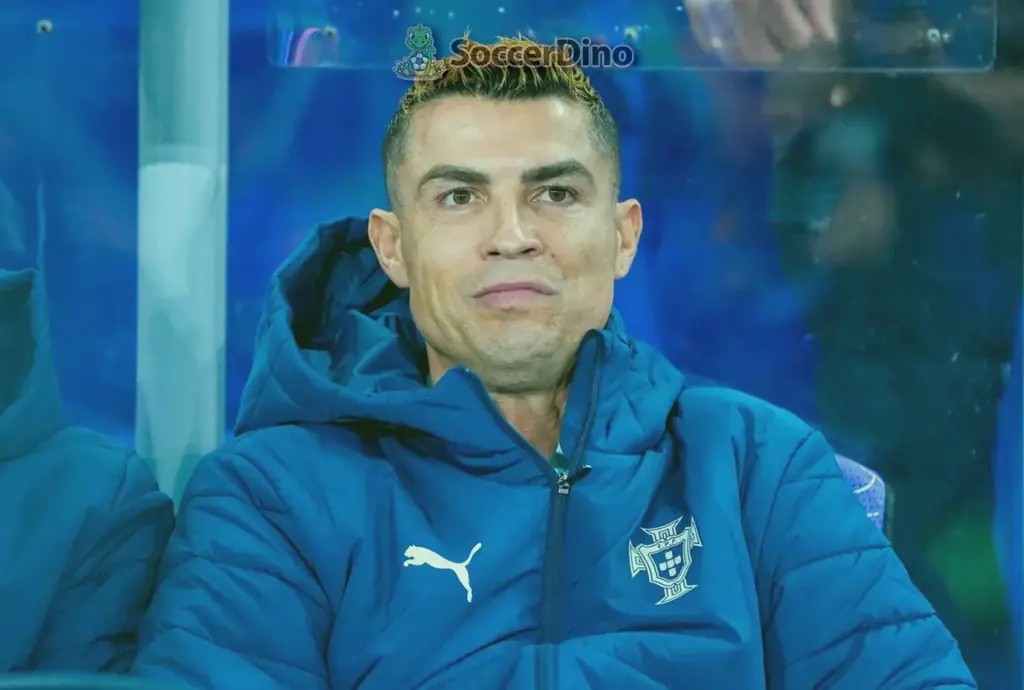
Managing the biggest names in football is one of the most demanding aspects of coaching at the highest level. Beyond developing tactics, preparing matches and building a competitive squad, managers must make difficult decisions involving players who are accustomed to being the centre of attention. Cristiano Ronaldo, whose pursuit of 1,000 career goals has added another dimension to the management of his playing time, is a reminder of how complicated those decisions can become when individual ambitions and collective interests do not always align.
Football history is full of examples of relationships between coaches and star players deteriorating after a decision to leave someone out of the starting line-up. Lionel Messi, Neymar, Kylian Mbappé, Romário, Ronaldo Nazário, Ronaldinho, Iker Casillas and Zlatan Ibrahimovic have all experienced moments when their status did not guarantee them a place in the team. In some cases, the controversy disappeared after a few matches. In others, it developed into a prolonged conflict that eventually resulted in the departure of either the player or the manager.
The challenge is particularly difficult at clubs where the biggest players possess enormous influence both on and off the pitch. A coach may consider a selection decision entirely justified for tactical, physical or disciplinary reasons, but leaving a global superstar on the bench can immediately become a major story. Supporters demand explanations, journalists search for evidence of dressing-room tensions and every subsequent result is interpreted through the controversy. Several of the most memorable episodes in modern football illustrate just how quickly a routine managerial decision can become a crisis.
Luis Enrique and Messi: the Barcelona crisis that ended in European glory
One of the most famous disagreements involving a superstar and his manager occurred in January 2015, when Luis Enrique decided to leave Lionel Messi and Neymar out of the starting line-up for Barcelona away match against Real Sociedad. The decision came at a particularly sensitive point in the season, with the Catalan side under pressure to deliver results and establish greater consistency under their new coach.
Barcelona lost the match 1-0, immediately intensifying scrutiny of Luis Enrique decision. Messi and Neymar were introduced during the game, but their involvement was not enough to prevent defeat. The result was particularly damaging because it transformed what might otherwise have been interpreted as a rotation decision into a much wider debate about the relationship between the manager and his most influential players.
Messi dissatisfaction became apparent when he missed training the following day. Speculation intensified further after the Argentine began following Chelsea on social media, prompting discussion about whether he might be considering a future away from Barcelona. Although that online activity was not proof of any transfer intention, it contributed to an atmosphere in which almost every development involving Messi was interpreted as a potential sign of a serious disagreement with Luis Enrique.
The controversy unfolded alongside significant changes within Barcelona hierarchy. Sporting director Andoni Zubizarreta was dismissed, but Luis Enrique remained in charge. The coach faced considerable pressure, with questions surrounding his authority and his ability to manage a squad containing several of the most recognisable players in world football.
What happened next demonstrated how quickly circumstances can change at an elite club. Messi regained his place in the starting line-up, Barcelona recovered their form and the attacking partnership involving the Argentine, Neymar and Luis Suárez became one of the most effective in European football. By the end of the season, Barcelona had won La Liga, the Copa del Rey and the Champions League, completing a remarkable treble.
The episode remains an important example of how a disagreement between a manager and a superstar does not necessarily have to end in separation. The initial decision created considerable controversy, but Luis Enrique stayed in his position and the team ultimately achieved the highest possible level of success. What had appeared to be a potentially destructive confrontation became a relatively brief chapter in one of the most successful seasons in Barcelona history.
Mbappé also found himself on the bench under Luis Enrique
Almost a decade later, Luis Enrique encountered another delicate situation involving one of the biggest names in football. This time, the player was Kylian Mbappé and the club was Paris Saint-Germain. In 2024, the French forward confirmed that he would leave PSG at the end of the season, bringing an end to years of speculation about his future and preparing the way for his eventual move to Real Madrid.
The announcement changed the context in which Luis Enrique managed the player. Mbappé remained a crucial member of the squad, but his playing time was no longer treated as an automatic guarantee. The Spanish coach occasionally left him out of the starting line-up or substituted him earlier than expected, decisions that inevitably attracted attention because of the forward status and the circumstances surrounding his departure.
Questions quickly emerged about whether the reduced playing time reflected a personal disagreement or whether PSG were already preparing for life without their leading goalscorer. Luis Enrique consistently rejected suggestions of a conflict, insisting that his decisions were based on what he considered appropriate for the team.
"I have no problem with any player. What sells is speaking badly about people and creating controversy," the coach said, according to remarks recalled by Spanish newspaper Marca. Mbappé also maintained that he had a positive relationship with Luis Enrique, attempting to prevent the situation from being interpreted as a personal confrontation.
The circumstances were different from those surrounding Messi at Barcelona. Mbappé had already decided to leave, meaning PSG needed to balance their immediate objectives with the longer-term task of preparing a squad that would eventually have to operate without him. Nevertheless, the episode demonstrated that Luis Enrique was prepared to make difficult decisions even when they involved players with enormous reputations.
Romário and Cruyff: a controversial afternoon against Sevilla
Another memorable episode involving Barcelona dates back to the 1993/94 season, when Johan Cruyff was managing a team filled with exceptional attacking talent. One of its most important figures was Romário, the Brazilian striker whose extraordinary finishing ability and individual confidence had made him a central part of the club attacking identity.
Romário had recently produced a spectacular performance in the famous 5-0 victory over Real Madrid, a match that remains one of the defining results of the Cruyff era. His contribution to that triumph appeared to underline his importance to the side, but the Brazilian subsequently found himself on the bench for the away match against Sevilla.
The decision created an uncomfortable situation for a player accustomed to being one of the main attractions whenever Barcelona took the field. Romário eventually entered the match in the 60th minute, replacing Hristo Stoichkov, but his appearance was overshadowed by an incident involving Diego Simeone, who was playing for Sevilla at the time.
During a confrontation away from the ball, Romário punched the Argentine and was sent off. The incident transformed an already controversial selection decision into a disciplinary problem, leaving Cruyff to deal with the consequences of an act that had nothing to do with Barcelona tactical approach.
Romário was a player whose exceptional ability often came with a strong personality, and his relationship with Cruyff illustrated the difficulty of managing footballers who possessed both enormous talent and considerable individual confidence. The Dutch coach had built his reputation around a collective football philosophy in which even the most gifted players were expected to operate within the demands of the team.
The Sevilla episode remains a reminder that a substitute appearance can sometimes create more problems than leaving a player on the bench for the entire match. Frustration does not necessarily disappear once a player enters the field, particularly when the individual believes he should have been involved from the beginning.
Ronaldo and Capello: a disagreement that ended with a transfer
Ronaldo Nazário experienced a different kind of conflict during the 2006/07 season at Real Madrid, when Fabio Capello returned to the Spanish club determined to impose greater tactical discipline and higher physical standards. The Italian manager wanted a team capable of competing consistently, and his approach involved demanding greater commitment in training and closer attention to the physical condition of his players.
Ronaldo, who had already established himself as one of the greatest strikers in football history, did not enjoy the same unquestioned status under Capello that he had experienced during previous periods of his career. His playing time became increasingly restricted, and the Brazilian made little effort to conceal his dissatisfaction with the situation.
His comments about being a substitute were particularly revealing. "Another bad thing about being a substitute is that you have to train more, and training has always irritated me," Ronaldo said, openly expressing his frustration with the additional work associated with his reduced involvement.
For Capello, physical preparation and tactical discipline were essential elements of his management. A player reputation, however impressive, was not enough to guarantee a place in the starting eleven. The Italian was equally outspoken when discussing Ronaldo performances, and the disagreement became increasingly difficult to resolve.
The situation reflected a fundamental difference between the two men. Ronaldo wanted to continue being judged primarily on his attacking quality and ability to decide matches, while Capello placed considerable emphasis on the collective requirements of the team and the physical standards expected from every player.
Unlike the confrontation between Messi and Luis Enrique, this relationship never recovered. In January 2007, Ronaldo left Real Madrid and joined AC Milan, bringing an end to his time at the Santiago Bernabéu. Capello remained in charge until the end of the campaign, when Madrid secured the Spanish league title, although the Italian departed shortly afterwards.
Ronaldo move to Milan demonstrated how disagreements over playing time can ultimately make a transfer inevitable. Once a player of that stature loses his place and the coach remains committed to his decision, finding a solution that satisfies both parties becomes extremely difficult.
Ronaldinho loses his influence during the final months of Rijkaard
Barcelona encountered another difficult situation in December 2007, when Frank Rijkaard began reducing Ronaldinho involvement in the team. The Brazilian had been the central figure in the club revival during the preceding years, playing an instrumental role in the Champions League triumph of 2006 and becoming one of the most recognisable footballers in the world.
However, his situation had changed considerably by the 2007/08 season. His performances were no longer reaching the same level of consistency, while reports concerning his nightlife and physical condition were becoming increasingly frequent. Rijkaard responded by leaving him out of the starting line-up more regularly, a decision that reflected the growing uncertainty surrounding the player future at the club.
The decline was particularly significant because Ronaldinho had previously been the player around whom much of Barcelona attacking football revolved. His creativity, movement and ability to produce spectacular individual moments had made him almost indispensable, but the emergence of Messi and the changing demands of the team meant that his position was becoming less secure.
The situation remained unresolved until the end of the season, when Barcelona decided to change their head coach. Rijkaard departed and Pep Guardiola was appointed to lead a new sporting project. The change did not offer Ronaldinho a fresh start at the club, however, because Guardiola did not include the Brazilian in his plans for the following campaign.
Ronaldinho subsequently joined AC Milan, ending a Barcelona career that had transformed the fortunes of the Catalan side. His departure was not simply the consequence of one decision to leave him on the bench, but the accumulation of sporting, physical and organisational factors that had gradually reduced his importance within the squad.
Mourinho and Casillas divide Real Madrid
Few selection controversies have generated as much attention as the disagreement between José Mourinho and Iker Casillas during the 2012/13 season. Casillas was not just the Real Madrid goalkeeper. He was the club captain, a product of its academy and one of the most respected figures in Spanish football, having also played a central role in the national team victories at Euro 2008, the 2010 World Cup and Euro 2012.
Despite that extraordinary status, Mourinho decided to remove him from the starting line-up. Diego López eventually established himself as the preferred goalkeeper, and the Portuguese coach made clear that the decision reflected his assessment of the players rather than their reputations.
"I prefer Diego López to Casillas, and as long as I am the coach, Diego López will play," Mourinho declared, leaving little room for speculation about who he considered the stronger option at that moment.
The decision created deep divisions around Real Madrid. Supporters debated whether Casillas deserved to retain his place because of his experience and previous achievements or whether Mourinho had every right to select the goalkeeper he believed was performing better. The controversy also became part of a much wider discussion about the relationship between the coach and influential members of the dressing room.
In this case, the issue was particularly sensitive because Casillas had spent virtually his entire professional career at Real Madrid and represented an important connection between the squad and the club identity. Leaving him on the bench was never likely to be interpreted as an ordinary tactical decision.
Mourinho nevertheless refused to abandon his position. His approach was consistent with a management philosophy in which the authority to select the team belongs to the coach, regardless of the reputation or history of the players involved.
The disagreement continued to attract attention until the end of the season, when Mourinho left Real Madrid. His departure brought an end to a turbulent period in which the goalkeeper situation had become one of the most prominent issues surrounding the club.
Mourinho had already made a similar decision with Vítor Baía
The Casillas episode was not the first time Mourinho had made a controversial goalkeeping decision involving an established international. During the 2002/03 season at FC Porto, the Portuguese coach temporarily removed Vítor Baía from the starting line-up and selected Nuno instead.
Baía was an experienced goalkeeper with a strong reputation, having previously represented Barcelona before returning to Porto. His status did not prevent Mourinho from making a change when he considered it necessary, demonstrating an approach that would become familiar throughout his coaching career.
Unlike the situation involving Casillas, however, the disagreement did not lead to a permanent separation. Baía eventually regained his place and remained an important part of the Porto team that enjoyed extraordinary success under Mourinho, winning the UEFA Cup in 2003 and the Champions League in 2004.
The contrast between the two episodes is particularly interesting. Both involved experienced goalkeepers and a coach willing to challenge established hierarchies, but the outcomes were very different. At Porto, the situation was eventually resolved and the player remained part of the project. At Real Madrid, the disagreement became one of the defining controversies of Mourinho final season.
Casillas faces another challenge under Sérgio Conceição
Casillas would later experience another period on the bench after leaving Real Madrid and joining FC Porto. This time, the coach responsible for the decision was Sérgio Conceição, who selected José Sá as his first-choice goalkeeper during part of his tenure.
Once again, Casillas found himself in an unfamiliar position. A player who had spent so many years operating at the highest level was required to compete for his place rather than assume that his previous achievements would secure it automatically.
The decision inevitably attracted attention because of his reputation, but the situation developed differently from the confrontation with Mourinho. Casillas eventually regained the starting position and remained the preferred goalkeeper afterwards.
His experience in Portugal demonstrated that being relegated to the bench does not necessarily mark the beginning of the end for an established player. In some circumstances, a footballer can respond by regaining the confidence of the coaching staff and re-establishing himself within the team.
The contrasting outcomes of his experiences under Mourinho and Conceição also highlight the importance of the wider environment. The same player can react differently to similar selection decisions depending on the relationship with the coach, the competitive situation and the opportunities available to recover his position.
Ibrahimovic and Guardiola: a tactical disagreement becomes personal
Zlatan Ibrahimovic arrived at Barcelona in 2009 as one of the most sought-after strikers in European football. The Swedish international had established himself as a prolific goalscorer and was expected to become an important part of Pep Guardiola attacking system. His arrival generated enormous expectations, but the relationship between the player and the coach gradually deteriorated as the season progressed.
One of the central problems was the evolution of Messi role within the Barcelona attack. As Guardiola increasingly used the Argentine in central positions, Ibrahimovic found that the spaces in which he was most comfortable were no longer always available. The tactical adjustment created difficulties for the Swedish striker, whose influence within the side began to decline.
The disagreement was not simply about how many minutes Ibrahimovic played. It concerned the role he was being asked to perform and the direction in which Guardiola wanted to take the team. The coach was building an attacking structure that maximised Messi ability to influence matches from central areas, while Ibrahimovic had arrived expecting to occupy a leading position in the attack.
As his status deteriorated, the relationship became increasingly strained. Ibrahimovic later spoke openly about his dissatisfaction and accused Guardiola of cowardice, reflecting the depth of the breakdown between the two men.
For Guardiola, the collective tactical structure remained the priority. His decisions were guided by the style he wanted Barcelona to play, even if that meant reducing the influence of one of the most expensive and recognisable players in the squad. For Ibrahimovic, however, the situation represented a significant change from the role he had expected when joining the club.
By the end of the season, the relationship had become difficult to repair. Ibrahimovic left Barcelona in the summer of 2010 and returned to Italy on loan at AC Milan, bringing an early end to a move that had initially appeared capable of becoming one of the defining transfers of the Guardiola era.
Why the bench can become a major problem for football superstars
Although these episodes involve different players, coaches and circumstances, they share an important characteristic: the difficulty of reconciling individual status with the requirements of a team. A manager may believe that leaving a player on the bench is necessary to improve tactical balance, protect physical condition or establish disciplinary standards. The player, however, may interpret the same decision as a loss of confidence or a challenge to a reputation built over many years.
The situation becomes even more complicated when the player is a global superstar. Footballers such as Messi, Ronaldo, Ronaldinho and Ibrahimovic are accustomed to enormous responsibility and attention. They are often expected to decide the biggest matches and can develop a strong sense of their importance to the team. Being told that another player will start instead can therefore become a particularly difficult experience.
The media environment also plays a significant role. A controversial selection can generate questions about dressing-room relationships, transfer possibilities and the future of the coach, even when the decision was initially based on a relatively straightforward tactical consideration. Social media has made that process even more intense, with every public statement or gesture potentially becoming part of a wider narrative.
The examples involving Luis Enrique show that these situations do not always need to end in conflict. His disagreement with Messi was followed by one of the most successful periods in Barcelona history, while his management of Mbappé playing time at PSG did not prevent both men from publicly maintaining that they had a positive relationship.
Other cases demonstrate how quickly a disagreement can become irreversible. Ronaldo departure from Real Madrid, Ronaldinho move to Milan and Ibrahimovic exit from Barcelona all followed periods in which the players had lost influence or found themselves increasingly at odds with the direction chosen by their coaches.
Even the biggest names cannot always be guaranteed a starting place
The history of these disagreements illustrates a fundamental reality of elite football: reputation and previous achievements can influence a coach decisions, but they cannot always determine them. Managers are ultimately judged on results, which means they must retain the authority to select the players and tactical structures they believe offer the strongest chance of success.
For footballers, especially those accustomed to being indispensable, accepting that authority can be challenging. The problem is not necessarily the time spent on the bench itself, but what that decision represents. It can raise questions about trust, physical condition, tactical suitability and the direction of a career.
Cristiano Ronaldo pursuit of 1,000 career goals provides a contemporary reminder of how individual milestones can add another dimension to the management of playing time. For a player approaching such an extraordinary achievement, every appearance can carry additional personal significance. The coach, however, must still consider the wider interests of the team and the physical demands placed on the player.
From Cruyff and Romário to Guardiola and Ibrahimovic, and from Mourinho and Casillas to Luis Enrique and Messi, the central challenge has remained remarkably consistent across different generations. Great coaches need exceptional players to achieve exceptional results, but those same players must accept that their individual ambitions cannot always take priority over the collective project.
Some of the most successful teams in football history have emerged after overcoming precisely this type of tension. Others have seen important relationships collapse because a compromise could not be found. Ultimately, leaving a superstar on the bench is rarely just a question of selecting eleven players. It can become a defining test of leadership, authority and the ability to manage the personalities that make elite football so compelling.