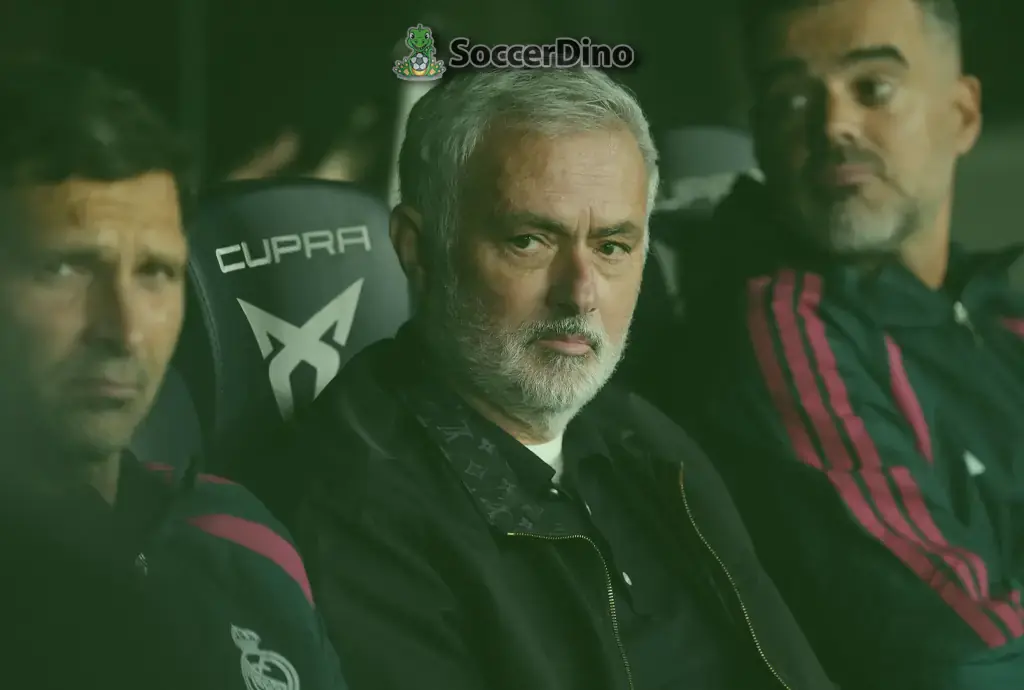
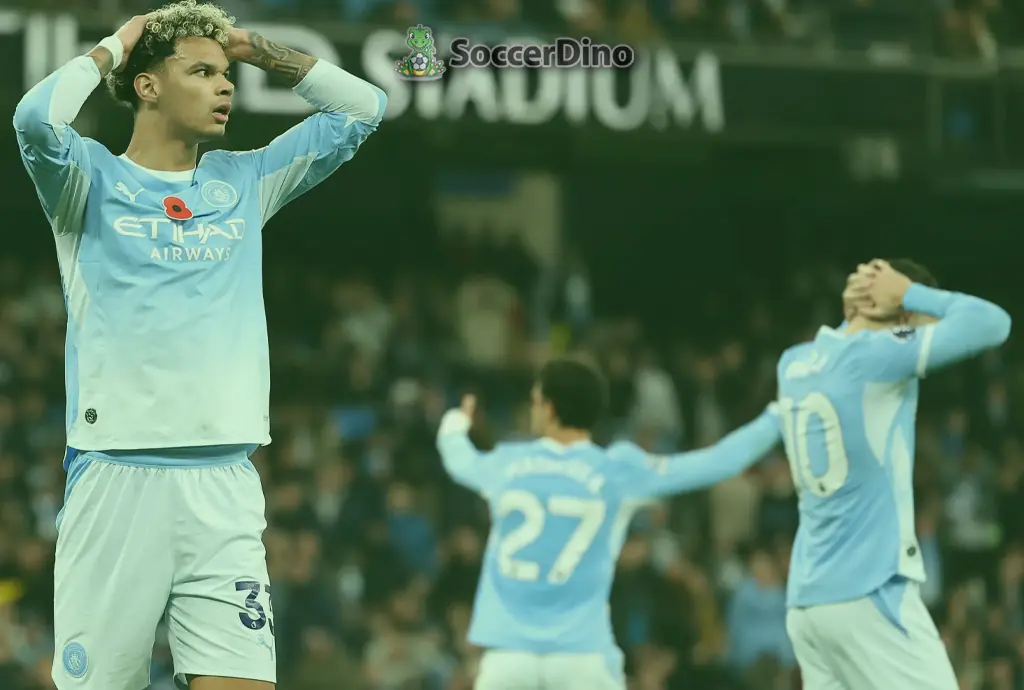
Manchester United consider replacing Michael Carrick, with Mauricio Pochettino emerging as a leading candidate despite a potential £10 million managerial change.
Manchester United are facing another major managerial decision as Michael Carrick's future at Old Trafford becomes increasingly uncertain following a disastrous start to the 2026/27 Premier League season.
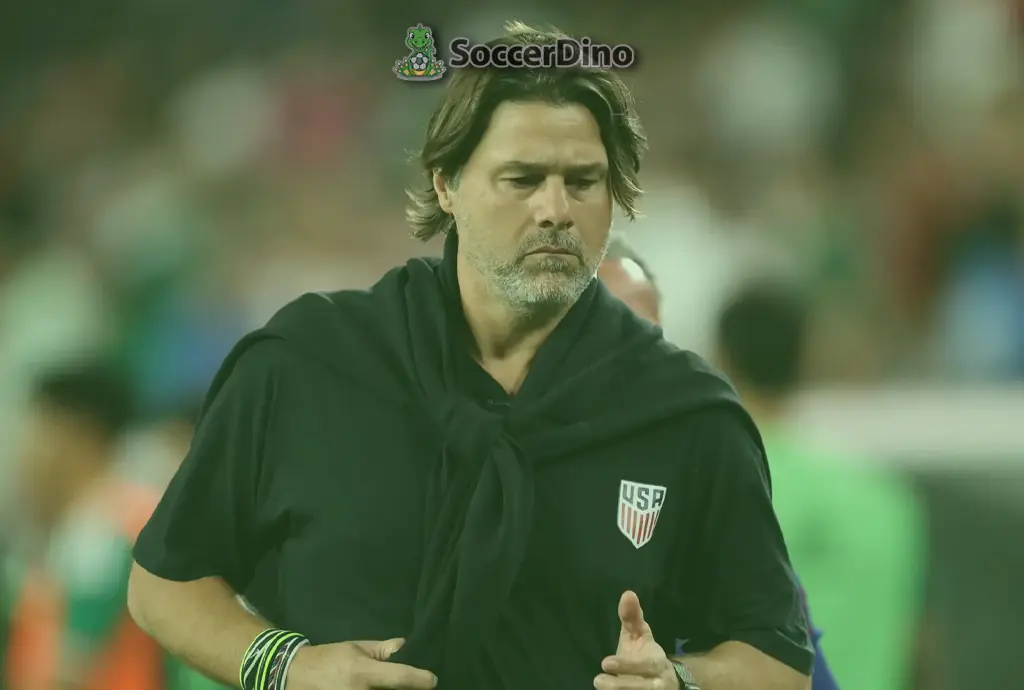
The club's hierarchy has begun reviewing its options during the November international break, with Mauricio Pochettino emerging as one of the leading candidates to take charge if the former United midfielder is dismissed. However, the appointment of the Argentine manager could prove expensive, particularly after his decision to extend his contract with the United States national team until 2030.
According to reports from Sky Sports and The Athletic, senior Manchester United officials are assessing whether Carrick should remain in charge ahead of the team's next Premier League fixture against Liverpool at Anfield on November 22. The Red Devils currently occupy 18th place in the standings, inside the relegation zone, having endured one of the worst starts to a league campaign in the club's history. Sunday's dramatic 4-4 draw against Aston Villa provided another example of the team's defensive problems, although the determination demonstrated during a remarkable late comeback has complicated the decision facing the club's directors.
Sir Jim Ratcliffe, chief executive Omar Berrada and director of football Jason Wilcox are expected to play central roles in determining the next step, with the Glazer family also involved in the decision-making process. While several reports suggest that a managerial change is becoming increasingly likely, United have not officially confirmed Carrick's dismissal or announced an agreement with any potential successor. The coming days could therefore prove decisive for both the English coach and a club attempting to prevent a difficult season from developing into a prolonged crisis.
Michael Carrick Under Increasing Pressure After Manchester United's Disastrous Start
Michael Carrick returned to Manchester United's managerial position with considerable goodwill following his successful interim spell during the previous campaign. The former midfielder had initially been appointed to provide stability during a difficult period, but his performances convinced the club's hierarchy to offer him the position permanently during the summer. Under his guidance, United recovered sufficiently to finish third in the Premier League and secure qualification for the Champions League, an achievement that created renewed optimism among supporters who had endured several frustrating seasons.
However, the momentum generated by that recovery has disappeared during the opening months of the current campaign. Manchester United have struggled to produce consistent performances, with defensive mistakes, disappointing results and an inability to control important periods of matches contributing to their position near the bottom of the standings. The team have managed only one Premier League victory and are without a win in eight consecutive league fixtures, leaving Carrick facing questions about whether he can reverse the decline.
The defensive record has been particularly concerning. United have conceded 30 goals across all competitions this season, exposing weaknesses that opponents have repeatedly exploited. The problems have not been restricted to matches against the Premier League's strongest teams, with Bournemouth's 3-0 victory at Old Trafford in late October representing one of the most damaging results of Carrick's tenure. That defeat intensified the pressure on the manager and reportedly prompted senior officials to consider whether an immediate change was necessary.
Although the club decided against dismissing Carrick following the Bournemouth defeat, the decision was understood to be temporary rather than an unconditional demonstration of confidence. According to Sky Sports, United wanted to assess the team's performances over the subsequent fixtures before conducting a more comprehensive review during the international break. Carrick was therefore given another opportunity to demonstrate that he could improve results, but the problems continued despite encouraging signs in European competition.
The situation is especially difficult because Carrick remains a respected figure at Manchester United. His achievements as a player, including five Premier League titles and a Champions League triumph, have ensured that he retains considerable affection among supporters. Many fans continue to appreciate his commitment to the club and the improvement he delivered during his initial spell in charge. Nevertheless, those achievements cannot completely overshadow the current results, particularly when United find themselves unexpectedly involved in the relegation battle.
Aston Villa Draw Highlights the Problems Facing Carrick
Sunday's extraordinary 4-4 draw against Aston Villa at Old Trafford captured the contrasting characteristics of Carrick's Manchester United. On one hand, the team demonstrated remarkable determination to recover from seemingly impossible circumstances. On the other, their defensive organisation was repeatedly exposed, allowing Villa to establish commanding advantages during both halves of the encounter. The result provided entertainment for neutral supporters but raised further questions about the tactical balance of a team struggling to compete consistently in the Premier League.
United endured a disastrous opening, conceding twice inside the first four minutes through Alysson and Nicolas Jackson. The home side responded with greater intensity, however, and managed to restore parity before half-time. Bruno Fernandes converted a penalty in the 16th minute before Youri Tielemans scored against his former club shortly before the interval, giving Carrick's players renewed confidence after a terrible start.
The second half followed a similarly chaotic pattern. Villa regained the advantage through a John McGinn penalty shortly after the restart, before Leon Goretzka extended the visitors' lead to 4-2 in the 53rd minute. Once again, United found themselves facing an extremely difficult situation, with their defensive weaknesses threatening to produce another humiliating result in front of their own supporters.
Yet Carrick's players refused to surrender. Joshua Zirkzee reduced the deficit in the second minute of stoppage time, creating renewed belief that an unlikely comeback remained possible. Four minutes later, Patrick Dorgu completed the recovery with a header from a Fernandes corner, producing a dramatic equaliser that transformed the atmosphere inside Old Trafford. The late response demonstrated the commitment of the squad and suggested that the players remain willing to fight for their manager despite the disappointing results.
That determination has become an important consideration for United's hierarchy. The club's directors must decide whether the spirit demonstrated against Aston Villa represents evidence that Carrick can still turn the season around or whether the repeated defensive collapses indicate deeper tactical problems requiring a different managerial approach. Although securing a point after trailing 4-2 was an impressive achievement, conceding four goals at home provided another reminder of the weaknesses that have left United struggling near the bottom of the league.
Mauricio Pochettino Emerges as a Leading Candidate to Replace Carrick
Mauricio Pochettino has emerged as one of the most prominent names associated with the Manchester United position, with the Argentine reportedly open to discussing a potential appointment if the club approaches him. The 54-year-old is currently managing the United States national team, having taken charge in September 2024 before agreeing to a new long-term contract in August 2026. His experience in English football and reputation for developing competitive teams have made him an attractive candidate for clubs seeking an established manager capable of handling demanding environments.
Pochettino previously spent several successful years at Tottenham Hotspur, where he established a reputation for developing young players, introducing an energetic pressing system and building a team capable of competing regularly near the top of the Premier League. His work culminated in Tottenham reaching the 2019 Champions League final, an achievement that strengthened his standing among Europe's leading coaches. Although the club ultimately lost to Liverpool, the campaign demonstrated Pochettino's ability to guide a team through the pressure of major European competition.
The Argentine subsequently managed Paris Saint-Germain and Chelsea, gaining further experience working with high-profile players and managing the expectations associated with clubs possessing significant financial resources. His time at Chelsea was relatively brief, but it provided additional familiarity with the difficulties of rebuilding a squad under intense public scrutiny. Manchester United's current situation would present a comparable challenge, with the club requiring immediate improvement while also seeking a sustainable sporting identity.
United have previously considered Pochettino for the managerial position on more than one occasion, according to Sky Sports. His name has regularly appeared in discussions surrounding the club whenever uncertainty has developed over the future of a head coach. That longstanding interest may strengthen his position among the candidates currently being considered, although no formal agreement has been announced and the club has not confirmed that negotiations are underway.
One of Pochettino's principal attractions would be his familiarity with the Premier League. Unlike a manager arriving in England for the first time, he already understands the demands of the competition, the importance of maintaining physical intensity and the pressure associated with managing a major English club. He also has considerable experience working with young footballers, an important consideration for United as they attempt to establish a more coherent long-term project.
However, his current responsibilities with the United States create a significant obstacle. Pochettino is preparing his national team for upcoming Concacaf Nations League fixtures, and leaving the position only months after signing a new agreement would require discussions with the United States Soccer Federation. The financial and contractual implications could therefore become decisive factors in determining whether United pursue the Argentine or turn towards another candidate.
Pochettino Appointment Could Cost Manchester United More Than £10 Million
One of the most complicated aspects of a potential appointment concerns the financial cost of bringing Pochettino to Old Trafford. The Argentine signed a new contract with the United States Soccer Federation on August 3, extending his commitment to the national team until 2030. The agreement followed his work with the United States during the 2026 World Cup and represented an important element of the federation's longer-term development strategy.
According to Sky Sports, Manchester United could be required to pay approximately £7 million in compensation to secure Pochettino's release from his current contract. That amount would come on top of any compensation owed to Carrick and his coaching staff if the club decided to terminate their agreements. The combined financial commitment could therefore exceed £10 million, making the potential change considerably more expensive than appointing a manager who is currently unemployed.
Sky Sports journalist Kaveh Solhekol has highlighted the financial consequences of United's previous managerial decisions, pointing out that Pochettino might have been available without a transfer-related compensation payment during the summer. At that stage, the Argentine's previous agreement with the United States was approaching its conclusion following the World Cup. However, United decided to appoint Carrick permanently after his successful interim period, allowing Pochettino to negotiate a new long-term arrangement with the American federation.
The situation illustrates how quickly circumstances can change in the managerial market. A coach who might have represented a relatively straightforward appointment only a few months earlier now comes with considerable contractual complications. For a club already facing questions about recruitment decisions and financial efficiency, spending a substantial amount on another managerial change would attract additional scrutiny.
Nevertheless, the financial implications must be considered alongside the sporting consequences of maintaining the current arrangement. United remain in the Premier League relegation zone, and continued poor results could have significant implications for the club's commercial position, European ambitions and long-term planning. The hierarchy must therefore determine whether the cost of appointing a new manager is justified by the potential benefits of improving results.
It is important to distinguish the reported figures from a completed transaction. The approximate £7 million compensation fee remains an estimate reported by Sky Sports, while the total cost of replacing Carrick would depend on contractual arrangements and negotiations. Neither Manchester United nor the United States Soccer Federation has announced an agreement regarding Pochettino's departure.
Eddie Howe, Julian Nagelsmann and Other Coaches Also Under Consideration
Although Pochettino appears to be one of the most attractive options, Manchester United are not expected to focus exclusively on the Argentine. Several other experienced managers have been linked with the position, including Eddie Howe, Julian Nagelsmann and Antonio Conte. Each candidate would offer a different tactical philosophy and managerial background, leaving the club's hierarchy with important decisions about the direction of the sporting project.
Eddie Howe is reportedly among the candidates admired by United following his work at Newcastle United. The English manager established a reputation for developing competitive teams through intensive training, clear tactical organisation and a willingness to improve individual players. His experience in the Premier League could be particularly valuable for a club attempting to reverse a disappointing domestic campaign without requiring a lengthy adaptation period.
Howe also demonstrated his ability to work under considerable expectations at Newcastle, where the club's ambitions increased significantly following changes to its ownership and financial position. Managing Manchester United would involve different pressures, but his familiarity with English football and experience of building a competitive squad could make him a credible option. According to Sky Sports, Howe is currently available and could be interested in discussing the position if a vacancy emerges.
Julian Nagelsmann represents another possibility. The German coach has previously managed Hoffenheim, RB Leipzig and Bayern Munich, gaining recognition for his tactical flexibility and innovative approach to match preparation. His subsequent work with the German national team added international experience to an already extensive managerial career. Nagelsmann's ability to adjust formations and develop detailed tactical systems could appeal to United's sporting department, particularly if the club wants a manager capable of establishing a clearly defined playing philosophy.
Antonio Conte has also been mentioned as a potential candidate, although Solhekol has expressed doubts about whether Manchester United would seriously pursue the Italian. Conte's career includes successful periods at Chelsea, Inter Milan and Tottenham, and his demanding approach has frequently produced immediate improvements in competitive intensity. However, his tactical preferences and strong personality would require careful consideration from a hierarchy seeking long-term stability after several managerial changes.
Other names have also appeared in discussions surrounding United's coaching position. Fabian Hürzeler has attracted admiration for his work at Brighton, while Unai Emery has been identified as a manager whose experience and tactical qualities could appeal to major clubs. However, Emery remains under contract with Aston Villa until 2029, and the Birmingham club have made clear that they are determined to retain him. Those circumstances would make any potential approach complicated.
The variety of candidates highlights the challenge facing the Manchester United hierarchy. Appointing an experienced manager with Premier League knowledge could provide immediate familiarity with the competition, while choosing a coach associated with a more modern tactical approach might support a longer-term reconstruction. Whatever direction the club chooses, another managerial change would need to be accompanied by greater consistency in recruitment and sporting planning.
Ratcliffe, Berrada and Wilcox Face Crucial Decision During International Break
The November international break has provided Manchester United with an opportunity to conduct a detailed assessment of the season without the immediate pressure of preparing for another competitive fixture. According to Sky Sports, director of football Jason Wilcox is leading the review, with chief executive Omar Berrada also playing a central role. The pair are expected to present their findings and recommendations to Sir Jim Ratcliffe during a scheduled meeting in Monaco on Wednesday.
The discussions will consider Carrick's performances, the team's current position and the realistic alternatives available should the club decide to make a change. Although reports suggest that the former midfielder's position is becoming increasingly vulnerable, United have not yet taken a definitive decision. Senior officials are understood to be reluctant to repeat previous mistakes by dismissing a coach without having a clear plan for the next appointment.
One important consideration is the possibility of introducing another interim manager. According to Sky Sports, United would prefer to avoid that scenario because of the complications experienced during Carrick's initial appointment. His impressive work as temporary manager convinced the club to offer him the position permanently, but the subsequent deterioration in results has raised questions about whether the decision was made too quickly.
The hierarchy is therefore understood to favour appointing a permanent successor if Carrick is dismissed, rather than relying on another short-term solution until the end of the campaign. Such an approach would require identifying a manager who is available, prepared to accept the challenge and capable of implementing a clear strategy despite joining during a difficult period.
Another factor complicating the decision is the apparent support Carrick continues to receive from the dressing room. Despite disappointing results, United's players have demonstrated determination during recent matches, including the Champions League victory over Roma and the dramatic comeback against Aston Villa. Those performances suggest that the squad has not abandoned the manager, making the situation more complicated than a straightforward breakdown in relationships between the coaching staff and players.
Supporters have also continued showing affection for Carrick, recognising both his achievements during his playing career and his contribution during the previous season. The absence of widespread public demands for his dismissal has allowed the hierarchy slightly more time to consider its options. However, patience is becoming increasingly difficult to justify while United remain in the relegation zone and continue conceding goals at an alarming rate.
Liverpool Clash at Anfield Could Determine the Direction of United's Season
Manchester United's next Premier League fixture is scheduled for November 22, when they travel to Anfield to face Liverpool in one of English football's most intense rivalries. The encounter is already attracting considerable attention because of the uncertainty surrounding Carrick's future and the contrasting expectations associated with the two clubs. With United struggling near the bottom of the standings, travelling to face their historic rivals represents an exceptionally demanding challenge.
Several reports suggest that the club would prefer to resolve the managerial situation before the Liverpool encounter if a decision to dismiss Carrick is ultimately reached. That would allow any new manager to begin working with the squad and establish an initial approach ahead of the return to competitive football. However, the international break also creates practical difficulties, as several first-team players are away representing their countries and would have limited time to prepare under a new coaching staff.
United must also consider their Champions League commitments, with a trip to face Sporting CP in Lisbon scheduled shortly after the Liverpool match. The congested calendar means that any managerial transition would take place immediately before a particularly challenging sequence of fixtures. A new coach would therefore have little opportunity to introduce substantial tactical changes through extended training sessions, making the timing of the appointment an important factor.
For Carrick, the international break represents a period of uncertainty after months in which he has attempted to establish himself as the permanent leader of Manchester United's sporting project. The English coach has publicly maintained that he expects to remain in charge when domestic football resumes, despite acknowledging the disappointment surrounding the team's results. His immediate future now depends on whether the hierarchy believes that the recent signs of determination are sufficient to justify continuing with the existing arrangement.
The next decision could have consequences extending well beyond the Liverpool match. United must determine whether Carrick remains capable of delivering the improvement required or whether a new appointment would provide a stronger foundation for the remainder of the season. With the club facing the possibility of a prolonged relegation battle, delaying a necessary decision could prove costly, but making another rushed appointment could create further instability.
Manchester United Need More Than Another Managerial Change
The debate surrounding Carrick's future has also revived wider questions about the direction of Manchester United under their current ownership structure. The club has experienced repeated managerial changes in recent years, with successive coaches struggling to deliver consistent performances despite significant investment in the playing squad. The difficulty of establishing a coherent sporting identity has become a recurring issue, raising concerns about whether replacing the manager alone will be enough to produce lasting improvement.
Solhekol has argued that United's problems extend beyond the individual occupying the managerial position, suggesting that structural decisions and the club's wider organisation must also be addressed. His assessment reflects the frustration surrounding a team that continues to possess considerable commercial resources and international appeal but has struggled to translate those advantages into consistent success on the pitch.
The current campaign has demonstrated several weaknesses that any incoming coach would need to address immediately. Defensive organisation remains the most obvious concern, with United repeatedly conceding goals during the opening stages of matches and failing to protect advantageous positions. Improving concentration, creating a more reliable midfield structure and establishing clearer responsibilities without possession would be essential priorities for a potential successor.
Recruitment and squad planning would also require attention. The club must ensure that the players available are suited to the tactical approach of the chosen manager, avoiding another situation in which significant resources are invested without producing a balanced team. That objective would demand close cooperation between the coaching staff, sporting director and senior executives, particularly as United attempt to recover from their disappointing position in the Premier League.
Mauricio Pochettino would bring considerable experience and an established reputation for developing teams, but his appointment would not automatically resolve those wider issues. Eddie Howe and Julian Nagelsmann would face similar challenges, regardless of their tactical qualities or previous achievements. United's problems have developed over an extended period, and establishing consistent performances will require more than a change in leadership on the training ground.
For now, the immediate uncertainty remains centred on Michael Carrick. The former midfielder has retained the affection of many supporters and demonstrated that his players remain prepared to fight for results, but the league table and defensive record have placed his position under intense scrutiny. Manchester United's hierarchy must now decide whether to continue supporting him or commit to another expensive managerial change, with Pochettino emerging as a prominent candidate despite the financial complications surrounding his contract with the United States.
The coming days will be crucial as Ratcliffe, Berrada and Wilcox assess their options before the Premier League resumes. No final decision has been announced, and negotiations with a replacement have not been confirmed, but the growing speculation reflects the seriousness of United's situation. Whether Carrick remains in charge or a new manager arrives before the trip to Liverpool, the club faces an urgent task: restoring defensive stability, improving league results and preventing one of the most disappointing starts in its history from defining the entire season.