Kylian Mbappe admits France failed tactically and technically in their 2-0 World Cup semi final defeat to Spain, ending their dream of reaching the final.
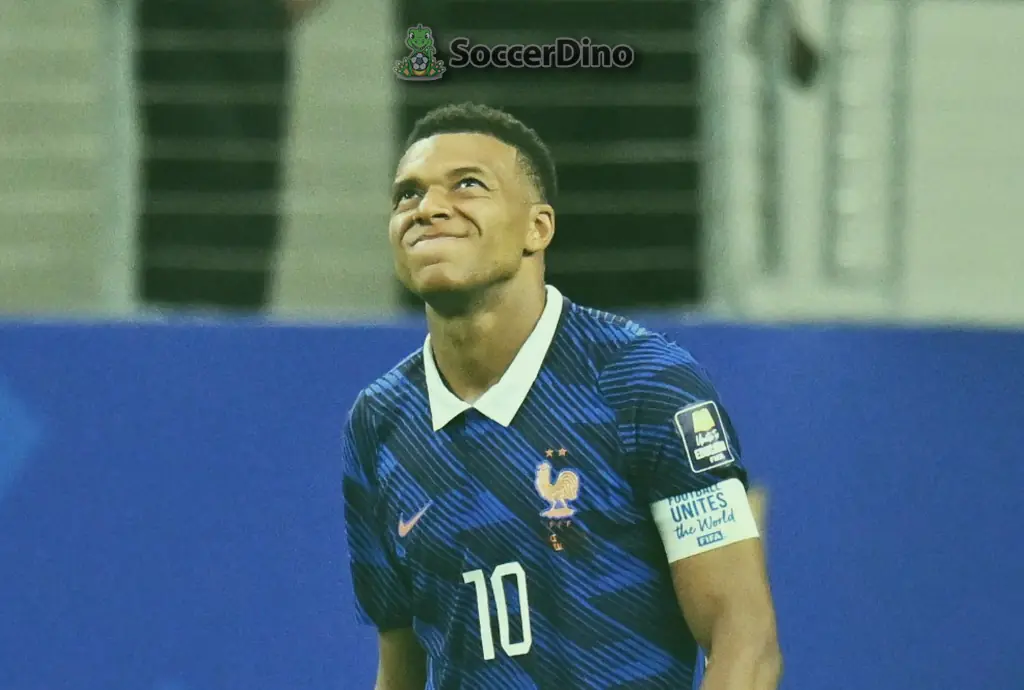
Kylian Mbappe Admits France Failed to Reach World Cup Semi Final Level Against Spain
Kylian Mbappe did not hide from the truth after France were beaten 2-0 by Spain in the semi finals of the 2026 World Cup. The French captain spoke with clear disappointment after the match and admitted that his team had not produced the level required to reach the final of the biggest tournament in football.
France had arrived at the semi final with the ambition of writing another major chapter in their World Cup history. Instead, they were stopped by a Spain side that controlled the rhythm, managed the ball with intelligence and punished the French inability to impose their own plan. For Mbappe, the defeat was not about bad luck. It was about performance, execution and the failure to do what a team must do in a match of this importance.
"We did not play the game we wanted to play, either tactically, technically, or in terms of the overall performance we produced," Mbappe said after the final whistle. "When you do not do what you have to do in a World Cup semi final, you do not win."
It was a blunt assessment from a player who has lived the biggest moments in international football. Mbappe has carried France through major tournaments before, but this time he could not inspire the comeback his team needed. Spain were more composed, more precise and more faithful to their football identity. France, by contrast, never looked comfortable enough to turn the match in their favour.
Mbappe gave credit to Spain for following their plan. According to the France captain, Spain did exactly what everyone expected from them, but France still could not stop it. They kept the ball, controlled the tempo and gradually forced France into chasing the game instead of shaping it.
"Spain followed their plan, what they are faithful to: a team that likes to control the ball and the rhythm of the game," Mbappe explained. "The idea was to press high to prevent that false rhythm from settling in, but we were unable to do it."
That phrase, the false rhythm, summed up one of the key tactical problems for France. Spain did not always attack with speed. They often slowed the game, circulated possession and invited France to choose when to press. When the French press arrived late or without coordination, Spain found the spare man. When France dropped deeper, Spain had the time to build again.
For Mbappe, France did not only fail tactically. They also failed technically. In a semi final, details matter, and France made too many mistakes in moments when they needed clean touches and quick decisions. The first pass after recovery was often loose. The first touch after winning the ball did not open the pitch. Instead of hurting Spain in transition, France repeatedly gave the ball back too quickly.
"There were too many technical inaccuracies, and we did not know how to hurt them when we should have done," Mbappe said.
That lack of threat after regaining possession was one of the biggest frustrations for France. Spain are a team that can be exposed when forced to run back toward their own goal, but France rarely managed to create those situations. The plan was to make the Spanish midfield and defence defend large spaces. In reality, Spain were allowed to keep the game in areas and rhythms that suited them.
When asked what had gone wrong, Mbappe pointed first to control. France, he said, allowed Spain to dictate the tempo of the match. Instead of changing the balance of power, they accepted the rhythm imposed by their opponents. Once that happened, the game moved further and further away from the version France wanted.
"We allowed them to dictate the rhythm," Mbappe said. "It was up to us to change that balance of power, and that is where we failed."
The French captain then went deeper into the tactical details. He spoke about the press, the midfield structure and the way Spain found numerical superiority in central areas. From the opening stages, France wanted to be aggressive, but the distances were not right and the communication was not strong enough.
"From the start, in the press, in the way we went after them, we always ended up three against two in midfield, and against Spain that is already complicated," he said.
Against a side with players like Rodri and Fabian Ruiz, those small imbalances can become decisive. Both midfielders had time to receive, turn and choose the next pass. France wanted to disturb them, but instead Spain often found them in comfort. Once Spain had that control in midfield, France were forced to chase, and chasing Spain is one of the most exhausting tasks in international football.
"Fabian Ruiz and Rodri had too much time to play," Mbappe continued. "There was a lack of communication in the press."
Those words were significant because they showed that the French players understood the problem on the pitch but could not correct it quickly enough. Pressing Spain requires collective timing. One player pressing alone is not enough. The forward line, midfield and defence must move together, closing passing lanes and forcing the ball into traps. France never did that consistently.
Mbappe believes France should have been more aggressive in individual duels. The plan was to go man to man, to force Spain into a more physical and open game, and to make them run without the ball. France felt that could have changed the match, because Spain are at their most comfortable when they are allowed to rest with possession.
"We should have played one against one and forced them to run with us, because they are a team that does not like to run without the ball," Mbappe said.
Instead, Spain often had the comfort they wanted. They could slow the game, choose when to accelerate and prevent France from attacking with numbers. Mbappe and the French forwards were left waiting for service that rarely arrived in good conditions. When the ball did reach dangerous areas, France lacked the sharpness needed to turn those moments into chances.
The technical level after ball recovery was another major theme in the reaction of the France captain. In knockout football, especially against a possession team, the first seconds after winning the ball are crucial. They are the moments when the opponent is open, when midfielders are out of position and defenders are moving forward. France wasted too many of those moments.
"Even when we won the ball back, technically, the first passes and the first touches were not at the level required for a World Cup semi final," he said. "When you put all of that together, the result is a defeat."
The final sentence carried the tone of resignation. France did not lose because of one mistake, one decision or one isolated moment. In the eyes of Mbappe, the defeat came from a combination of failures. The press did not work. The midfield was outnumbered. Spain had too much time. France lacked communication. The technical execution was not good enough. Together, those problems created a night that ended in elimination.
Emotionally, the defeat clearly hurt. For France, the final was not just a sporting objective. It was a national dream. A World Cup final offers the chance to make history, to unite a country and to create memories that last for generations. Mbappe understood that weight when he spoke after the match.
"Like everyone, a lot of disappointment," he said. "It was a dream for us to reach the final, to give our country this chance to dream, to make history."
Those words showed the human side of the loss. France are used to high expectations, but expectation does not soften disappointment. For a squad with so much talent, missing out on the final is painful. For Mbappe, who carries the hopes of French football more than any other player, the pain was visible in both the content and tone of his remarks.
Still, he insisted that France must face the defeat with dignity. There was no attempt to hide, no attempt to blame external factors, and no attempt to reduce the merit of Spain. Mbappe accepted that France had fallen short and said the group now had to deal with the disappointment properly.
"Now it is something we have to face with our heads held high," he said. "There is huge disappointment, and I cannot really express it well in words."
France still have the third place play off to play, but the emotional blow of missing the final will take time to absorb. For many players, the end of a World Cup cycle can feel abrupt. One match changes everything. The dream of the final disappears, and suddenly the conversation turns toward recovery, holidays, clubs and the next international challenge.
Mbappe recognised that football does not offer much time for grief. Players must move on, even when the pain is still fresh. The club season will return, new objectives will appear and the national team will eventually begin another cycle. But this defeat will remain part of the story of this French generation.
"We will have to lift our heads, go on holiday and start again," Mbappe said. "Football waits for nobody. There will be other challenges to face, both at club level and with the national team."
For Spain, the victory was a confirmation of identity and maturity. They reached the final by staying loyal to the principles that define them: possession, patience, rhythm and midfield control. For France, the match was a lesson in what happens when talent is not matched by collective precision.
Mbappe was clear enough. France did not reach the level demanded by a World Cup semi final. Spain did. That was the difference, and it was enough to send Spain into the final and leave France facing a painful night of reflection.