Marseille and Reims reach the Coupe de France quarterfinals with dominant 3-0 wins over Rennes and Le Mans, as the round of 16 continues with key ties including Lyon vs Laval and Strasbourg vs Monaco.
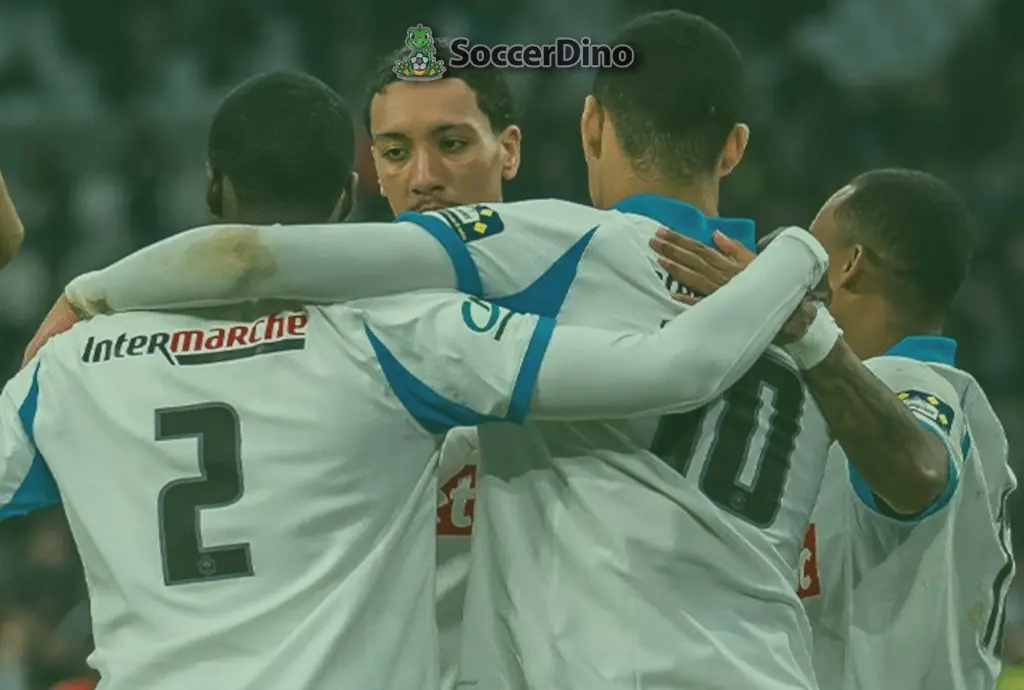
Marseille and second-tier Reims were the first teams to secure their places in the Coupe de France quarterfinals, and they did it in the most convincing way possible: two separate 3-0 victories that left no doubt about superiority on the night.
Marseille brushed aside fellow top-flight side Rennes with a clinical, controlled performance, while Reims, operating outside Ligue 1, delivered a statement win over Le Mans in an all second-tier matchup that quickly turned one sided.
For Marseille, the tone was set almost immediately. Scoring in the 2nd minute is not just an advantage on the scoreboard, it reshapes the entire psychology of a cup tie. Rennes had barely settled when Amine Gouiri struck, and from that moment the match shifted into a game state Marseille could manage. With an early lead, Marseille were able to dictate tempo, choose when to press and when to drop, and force Rennes into chasing the match rather than building it.
Gouiri’s goal also mattered because it underlined Marseille’s ability to hurt opponents without needing a long period of dominance first. In knockout football, the first punch is often the most important, especially against a team from the same division that arrives believing the margins will be fine. Instead, Marseille created instant separation and then played with the composure of a side that knows how to close out big ties.
The second goal, from Mason Greenwood in the 46th minute, was the perfect timing blow. If you concede just before half time, you can regroup in the dressing room. If you concede right after the restart, you suffer a different kind of damage: the plan you discussed at the interval becomes obsolete before it even begins. Greenwood’s strike effectively ended the contest as a competitive tie, pushing Rennes into a position where they needed a dramatic turnaround against a Marseille side that looked comfortable both on and off the ball.
From there, Marseille did what strong cup teams do. They avoided chaos. They reduced risk. They controlled space. They waited for the match to open naturally as Rennes pushed higher and took greater chances. When those spaces appeared, Marseille had the experience and the quality to exploit them. Pierre-Emerick Aubameyang’s goal in the 83rd minute completed the 3-0 scoreline and gave the result the emphatic look it deserved. It was the type of late goal that often reflects a team’s superiority over 90 minutes: once the opponent tires and the structure breaks, the sharper team finishes the job.
Beyond the goals, Marseille will be pleased with what the performance says about their cup credentials. Beating a Ligue 1 opponent by three goals in a knockout match is not something you stumble into. It suggests balance, a clear game plan, and players capable of executing decisive actions at the right moments. Gouiri’s early impact, Greenwood’s momentum changing finish, and Aubameyang’s late clincher offered a neat summary of why Marseille can be dangerous in this competition: they have multiple routes to goal and multiple players who can decide games.
Rennes, meanwhile, will see this as a painful exit not only because of the margin, but because the match never really gave them a platform to impose themselves. Conceding early forces a team to become urgent, and urgency often leads to mistakes, stretched distances, and poorly timed risks. Against an opponent with finishing quality and game management, those problems multiply. A 3-0 scoreline leaves little room for debate, and Rennes will be left looking at how quickly the tie slipped away.
In the other match of the day, Reims produced a performance that will resonate with fans who love the Coupe de France precisely for its unpredictability and its capacity to elevate clubs outside the top tier. Even though this was not a classic giant killing in the strict sense, it was still a major moment for a second-tier side because advancing in the cup builds belief, sharpens identity, and can give a season extra meaning.
Theo Leoni was the clear headline figure. Scoring twice in a knockout match is always significant, and the timing of his goals shaped the tie. His first, in the 38th minute, gave Reims a lead they could protect and build on. It arrived late enough in the first half to settle nerves but early enough to allow a controlled second half approach. His second, in the 71st minute, was the decisive separation. At 2-0, the opponent has to gamble. At 2-0 in cup football, the team in front starts thinking about the next round.
Yassine Benhattab’s goal in the 84th minute completed the 3-0 win and turned it into a celebration rather than a tense finish. Late goals in cup ties often feel like confirmation that the right team is going through. For Reims, it was also a message that they did not merely survive the occasion, they dominated it.
Now, with two quarterfinal places already taken, attention turns to the remaining round of 16 fixtures, which stretch across Wednesday and Thursday and offer a mix of top-flight clashes and classic cup dynamics where Ligue 1 sides must manage the pressure of expectation.
Wednesday’s schedule features Lorient vs Paris FC in a matchup between clubs from the top division, a tie that guarantees another Ligue 1 side will exit before the quarterfinals. These all top-flight games often come with a different intensity, because there is no underdog narrative to hide behind. It becomes about execution, discipline, and who handles key moments better. Small details like set pieces, transitions, and decision making in the final third tend to decide them.
Also on Wednesday, Lyon host Laval, a second-tier opponent, under Portuguese coach Paulo Fonseca. The headline here is the typical cup tension for the favorite: Lyon will be expected to win, and expectation can be a trap if the match becomes stubborn. For Laval, the path is clear: stay compact, make the game messy, keep it close, and hope the pressure shifts to the home side. For Lyon, the challenge is to combine patience with urgency, avoiding frustration while still playing with enough tempo to create high quality chances.
Nice vs Montpellier is another all top-flight tie that should be competitive, with both teams knowing that the Coupe de France can offer a direct route to silverware and a defining moment in the season. Toulouse vs Amiens fits the familiar cup pattern of Ligue 1 host against a second-tier visitor, a scenario where the underdog arrives with nothing to lose and the favorite has everything to protect.
Troyes provide the exception to the usual hierarchy of home advantage, as the second-tier side will host Lens from the top division. That dynamic matters. In cup football, the venue can tilt confidence and energy. A Ligue 2 club at home can play with a different freedom, and the crowd can turn every duel and every corner into a moment. For Lens, the test is professionalism: avoid complacency, manage the physical battle, and take control before the game becomes a coin flip.
The round of 16 concludes on Thursday with Strasbourg vs Monaco, another top division clash that carries real weight. These late fixtures often feel like standalone events, because by then the quarterfinal picture is almost complete and the stakes are clearer. Both sides will know a single good performance can transform the tone of the competition, while a single bad half can end it.
With Marseille and Reims already through, the quarterfinals are starting to take shape, and the competition is moving into its most ruthless phase. The margins tighten, the narratives sharpen, and the value of players who can decide matches in one moment becomes even higher. Marseille have shown they have that kind of cutting edge. Reims have shown they have that kind of collective authority. Now it is over to the remaining teams to match that standard and earn their place in the last eight.