Claudio Ranieri has left his role as senior adviser at Roma after publicly criticising Gian Piero Gasperini, with the club reaffirming its confidence in the current coach.
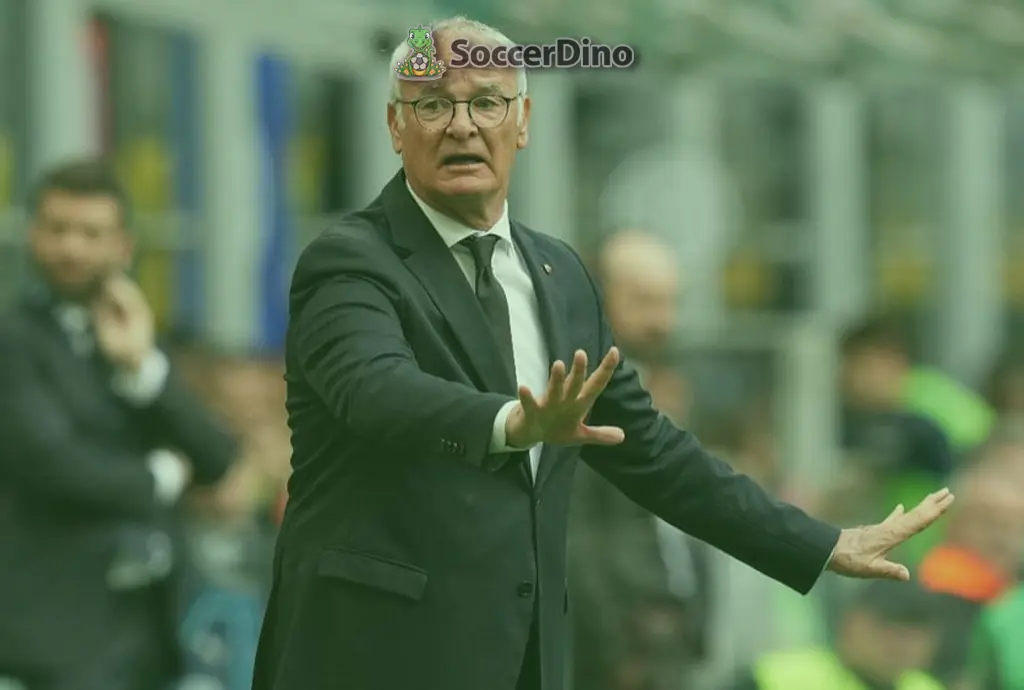
Claudio Ranieri leaves Roma after public criticism of Gian Piero Gasperini
Roma have confirmed the departure of Claudio Ranieri from his position as senior adviser, bringing an end to another chapter in the long and emotional relationship between the veteran Italian coach and the club from the capital.
Roma move forward under Gasperini as Ranieri steps away
The decision was announced this Friday and had already been widely anticipated by the Italian press in the previous hours. Although the club presented the separation in respectful and formal terms, the timing of the announcement inevitably places the focus on the recent tension created by Ranieri’s public comments about Gian Piero Gasperini, the current Roma head coach.
Ranieri, now 74, had been working as a senior adviser since last summer, after ending his third spell as Roma coach. His return to the bench last season had been viewed as an emergency solution at a complicated moment, with the club in need of stability, experience and a figure capable of calming the environment around the team. Few figures are more closely associated with Roma than Ranieri, a Roman by birth and a lifelong reference for many supporters.
His latest role was supposed to keep him close to the club without the daily pressure of coaching. As senior adviser, Ranieri was expected to offer experience, football knowledge and institutional support, acting as a bridge between the technical structure, the board and the broader identity of the club. However, that arrangement has now come to an end earlier than expected, despite the fact that his contract was reportedly valid until 2027.
Roma confirmed the departure with a statement thanking Ranieri for his contribution and underlining the importance of his work during a difficult period. The club also made a clear point of reaffirming its confidence in the future under Gian Piero Gasperini, making it evident that the current technical project remains the priority for the ownership and management.
The message from the club was carefully worded, but its meaning was difficult to ignore. Roma thanked Ranieri, praised his past service and acknowledged the help he gave the team when it needed guidance. At the same time, the statement strongly defended the direction now being followed by the club and placed full confidence in Gasperini’s leadership.
The separation comes around 2 weeks after Ranieri publicly criticised Gasperini, at a time when Roma are sitting 6th in Serie A. Those remarks created discomfort because they came from someone still officially connected to the club and from a figure whose opinion carries significant weight among supporters, players and the Italian football world.
Ranieri has always been known for his calm personality, measured tone and strong connection to traditional football values. For that reason, his criticism attracted even more attention. It was not simply the view of a former coach speaking from the outside. It was the view of a senior club figure, a respected Roman voice and someone whose words could easily be interpreted as pressure on the current coaching staff.
For Roma, the situation was delicate. Gasperini is still trying to impose his ideas and build a team capable of matching the expectations of a demanding fanbase. His football is usually intense, aggressive and tactically specific, requiring time, discipline and full commitment from the squad. Public doubts from inside the club structure could weaken that process, particularly during a season in which every result is being closely scrutinised.
The club therefore chose to make its position clear. By ending the relationship with Ranieri and publicly backing Gasperini, Roma have sent a direct message: the current project belongs to the coach, and the board does not want internal voices creating uncertainty around that direction.
Ranieri’s departure will still be emotional for many Roma fans. His bond with the club goes far beyond titles, contracts or official positions. He coached Roma on 3 separate occasions and repeatedly answered the call when the club needed experience and stability. His final spell on the bench last season was another example of that loyalty, as he came out of retirement to help the team during a difficult phase.
That return reinforced the image of Ranieri as a trusted figure, someone willing to step in when Roma required calm leadership. Even if his time as interim coach was never expected to become a long-term solution, it restored a sense of order and allowed the club to move towards a new technical cycle.
However, football often changes quickly. The same experience that made Ranieri valuable as an adviser may also have made his position difficult once he openly disagreed with the direction of the current coach. In a club like Roma, where pressure is intense and public debate is constant, even small signs of division can become major stories.
Gasperini now remains the central figure in the sporting project. The former Atalanta coach arrived with a clear identity and a reputation for building competitive, physically strong and tactically brave teams. His methods are demanding, but his track record has earned him respect across Italian football. Roma appointed him with the expectation that he could bring structure, intensity and long-term growth.
The fact that Roma are 6th in Serie A means the situation is not disastrous, but it is also not entirely comfortable. The club expects to compete for European places and remain close to the Champions League race. In that context, every tactical decision, every team selection and every dropped point becomes part of a larger discussion about whether the project is moving quickly enough.
Ranieri’s criticism added another layer to that debate. Supporters who were already uncertain about Gasperini may have seen the former coach’s words as confirmation of their concerns. Others may believe that the current manager needs time and protection from external noise. The club statement appears to side firmly with the second view.
Roma also stressed that the institution must always come first. That line is important because it frames the decision not as a personal rejection of Ranieri, but as a move designed to protect the stability of the club. In modern football, especially at a club with Roma’s history and emotional intensity, unity behind the technical project is often treated as essential.
For Ranieri, this is another significant turning point in a remarkable career. He has managed across Italy, England, Spain and France, and will always be remembered internationally for leading Leicester City to one of the most extraordinary league titles in football history. Yet Roma has always occupied a special place in his story. His relationship with the club is deeply personal, and that is why this exit feels more sensitive than a routine administrative change.
There is no indication that Ranieri’s legacy at Roma will be damaged in the eyes of the majority of supporters. His service, his Roman identity and his willingness to help the club in difficult moments remain part of his history. But this ending does show how complicated it can be for legendary or deeply respected figures to remain inside a club while a new coach attempts to build authority.
Roma will now continue without one of their most recognisable institutional voices. Gasperini, meanwhile, will be expected to respond on the pitch. The best way for the current coach to strengthen his position is simple: results, performances and visible progress. If Roma climb the table and develop a clearer identity, the decision to fully back him will look justified. If inconsistency continues, questions will inevitably return.
For now, the club has chosen clarity. Ranieri leaves, Gasperini stays, and Roma move forward with a technical project that the board insists is solid, ambitious and aligned with the history of the club.
It is a respectful farewell, but also a firm political and sporting statement. Roma have thanked Ranieri for what he gave, but they have also made it clear that the future will be built around Gasperini, not around the doubts raised by voices from the past.