Germany remain winless under Jurgen Klopp after a 1-0 Nations League defeat to Greece, with the coach asking for time to build his system.
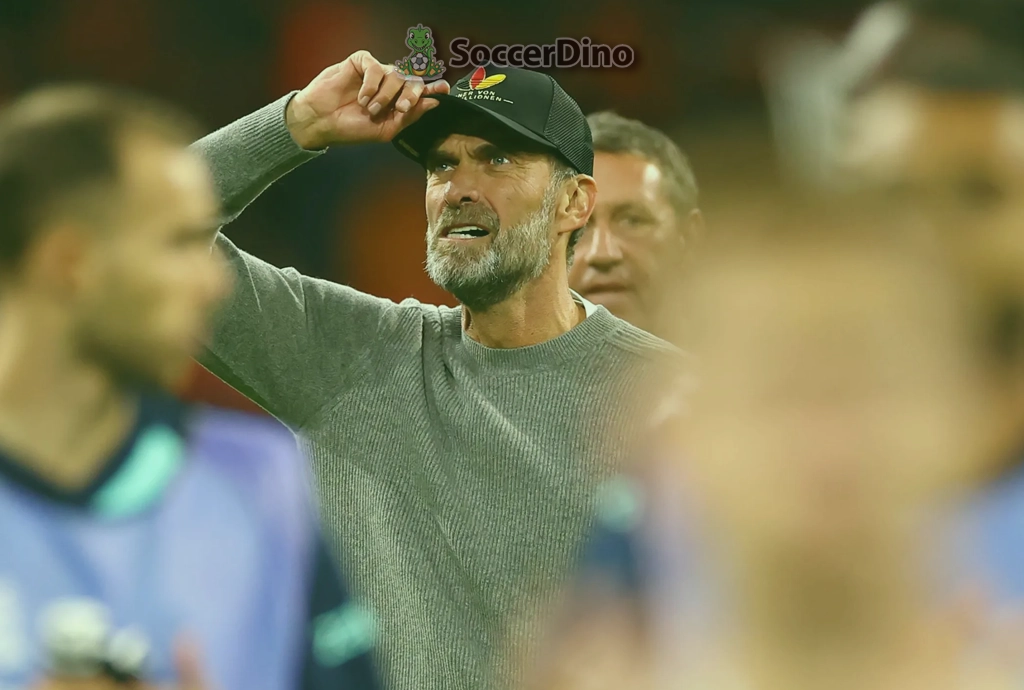
Klopp still waiting for first Germany win after Greece defeat
Jurgen Klopp is still searching for his first victory as Germany head coach after Greece produced a disciplined and efficient performance to win 1-0 in Augsburg in the second round of Group A2 of the Nations League. Dimitrios Kourbelis scored the decisive goal in the 74th minute, condemning Germany to their first defeat under Klopp and extending a difficult start that had already begun with a 1-1 draw against the Netherlands in the opening round.
The result leaves Germany without a win after two Nations League matches and immediately increases the scrutiny surrounding a team trying to adapt to a new era under one of the most recognisable coaches in European football. Klopp has repeatedly made clear that his ideas will require time on the training ground, but the early results have already exposed the scale of the challenge facing him.
Greece, meanwhile, deserved credit for the way they managed the contest. They remained organised, resisted Germany pressure and took their opportunity when it arrived. Sporting full-back Georgios Vagiannidis and Benfica striker Vangelis Pavlidis both started, while Sporting forward Fotis Ioannidis was introduced from the bench as the Greek side completed an impressive away victory.
Greece frustrate Germany in Augsburg
Germany went into the match hoping to build on the opening draw with the Netherlands and deliver Klopp first victory in charge. Instead, they found themselves facing a Greek team that was prepared to remain compact, defend with patience and wait for the right moment to attack.
The longer the match remained goalless, the more confidence Greece appeared to gain. Germany had more urgency because of the expectation surrounding a home game, but the visitors were comfortable allowing the hosts to have periods of possession without giving them the clear openings they needed.
That balance eventually shifted in the 74th minute. Kourbelis found the decisive goal, giving Greece a lead they would protect until the final whistle. The strike changed the atmosphere immediately, placing Germany under even greater pressure while allowing Greece to concentrate almost entirely on managing the closing stages.
For Germany, the problem was not simply conceding. The greater concern was the inability to respond after going behind. Klopp side needed a late reaction but could not find an equaliser, leaving the coach still without the victory he has been waiting for since taking over the national team.
Klopp takes responsibility
After the match, Klopp did not attempt to shift responsibility onto his players. Instead, he accepted that the decisions around team selection, the tactical structure and the substitutions belonged to him.
"The team selection, the tactical system and the substitutions are 100% my responsibility," Klopp said, making it clear that he was not looking for excuses after the defeat.
The former Liverpool coach also stressed that his team requires time to develop the patterns he wants. "Football needs training. Football needs automatisms," he explained, highlighting one of the biggest difficulties faced by national-team coaches. Unlike club managers, international coaches have only short periods with their players before competitive matches.
Klopp is therefore trying to introduce his ideas without the benefit of daily training sessions. That process becomes even more complicated when results arrive quickly and pressure begins to build before the team has had time to fully absorb a new tactical approach.
Germany searching for a clearer identity
Klopp comments about automatisms are particularly important because they point to what he believes Germany are still missing. His teams at club level were typically built around repeated movement, coordinated pressing and players understanding each other instinctively. Those relationships cannot be created overnight.
With Germany, he is attempting to establish similar collective habits within the constraints of international football. The draw against the Netherlands and defeat to Greece suggest that the process remains at an early stage.
Germany may possess individual quality, but international football often punishes teams that are not completely synchronised. Greece demonstrated that clearly. The visitors did not need to dominate possession or create a large number of opportunities. They simply needed to remain organised, wait for a mistake or opening and execute when the chance arrived.
Germany, by contrast, were unable to turn their possession and territorial advantage into the decisive moments required to win the match.
Schweinsteiger delivers harsh assessment
Former Germany international Bastian Schweinsteiger offered an even more severe interpretation of the current situation. The former midfielder argued that Germany can no longer be considered one of the elite national teams and suggested that the squad lacks players capable of deciding matches individually.
"We are no longer a top national team, we have fallen into mediocrity. We no longer have players who make the difference," Schweinsteiger said.
His comments reflect the frustration surrounding Germany after another disappointing result. Expectations around the national team remain extremely high because of the country history, but recent performances have made comparisons with previous generations inevitable.
Schweinsteiger comments go beyond criticism of Klopp. His argument is that the issue may be structural and linked to the level of the playing squad itself. If that assessment is correct, then the challenge facing Klopp is even greater because tactical improvement alone may not immediately solve every problem.
Pressure grows after two games without a win
Two matches are still a very small sample from which to judge a new national-team project, but the absence of a victory means the next fixtures will already carry greater significance. Germany cannot afford for uncertainty to develop into a prolonged run of poor results.
Klopp arrived with enormous expectations because of his record at club level. His reputation was built on transforming teams, creating powerful collective identities and producing football with a clear emotional and tactical intensity. Those same qualities are now expected at international level, but the working environment is very different.
The coach does not have months of uninterrupted training in which to reshape the squad. Players arrive from different clubs, systems and tactical backgrounds, often with only a handful of sessions before the next competitive match. That makes Klopp request for time understandable, even if the pressure for immediate results remains unavoidable.
Greece make the most of their moment
While much of the reaction will naturally focus on Germany struggles, the Greek performance deserves attention in its own right. Winning away in Augsburg required discipline and confidence, particularly against a team determined to respond after failing to beat the Netherlands.
Vagiannidis and Pavlidis both started and contributed to a side that remained competitive throughout the match. Ioannidis later entered from the bench, giving Greece another attacking option as they looked to manage the final stages.
The decisive contribution came from Kourbelis. His 74th-minute goal transformed the match and rewarded Greece for staying patient. Once ahead, the visitors showed the concentration required to protect the advantage against a Germany side that knew another disappointing result would immediately increase the pressure.
The victory gives Greece an important boost in Group A2 and demonstrates that they are capable of competing away from home against one of European football traditional powers.
Klopp refuses to panic
Klopp post-match comments suggested frustration but not panic. When discussing the decisive Greek goal, he admitted that he had not expected the move to end in that way but also said he was not entirely surprised.
"I did not expect them to score a goal like that, but it did not surprise me either," he said.
The remark reflects a coach who is aware that his team remains vulnerable while attempting to adapt to a new structure. Rather than presenting the defeat as an isolated accident, Klopp acknowledged that work is still required.
His insistence on training and automatisms also suggests that he does not intend to radically abandon his approach because of the opening results. The challenge will be finding enough improvement between international windows to ensure Germany remain competitive while the longer-term project develops.
Germany already facing an important test of patience
The next phase will test both Klopp and the patience surrounding the national team. The coach has taken responsibility and asked for time, while figures such as Schweinsteiger are already questioning the overall level of the squad.
That combination creates an uncomfortable environment. Germany must improve quickly enough to avoid further damaging results while also allowing Klopp the freedom to develop the team rather than constantly reacting to criticism.
The defeat to Greece will therefore be viewed as more than simply one bad evening in Augsburg. It represents another reminder that Germany remain in transition and that Klopp appointment has not immediately solved the problems facing the national side.
For Greece, the match will be remembered far more positively. A disciplined away performance, a decisive second-half goal and three valuable points made it a memorable evening. For Germany, the focus now turns to how quickly Klopp can transform his ideas into results.
After a draw against the Netherlands and a defeat to Greece, the former Liverpool coach is still waiting for his first victory. His message is that the project requires time. The coming matches will determine how much patience he is given while trying to build the automatisms and identity he believes Germany need.