Chelsea are not a serious contender for the Premier League title this season. That is the conclusion drawn by the English media and analysts after Wednesday night’s disappointing performance against Leeds United (3-1), which brought an end to a seven match unbeaten run.
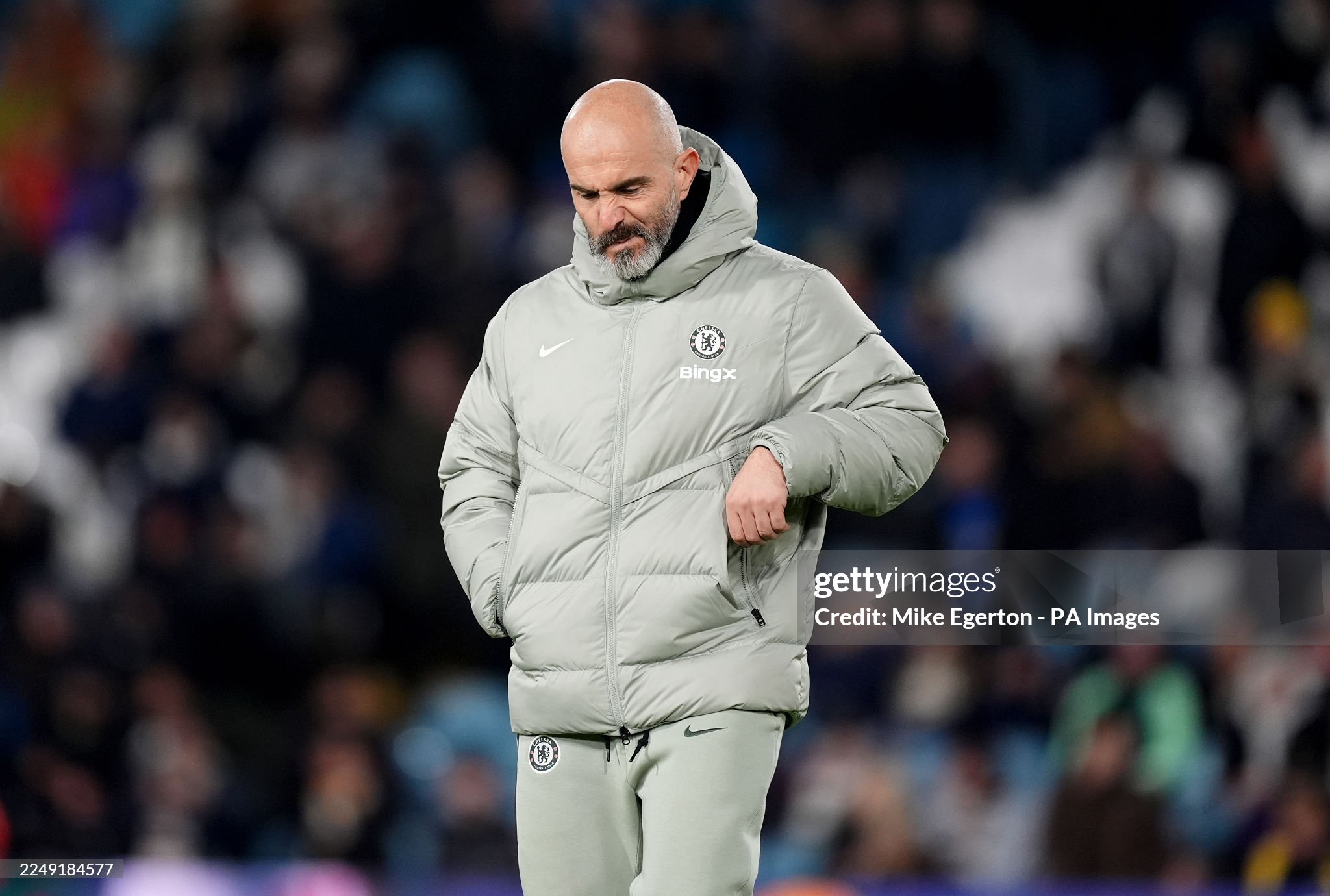
Leeds United beat Chelsea 3-1 at Elland Road on Wednesday evening, a result that sent a shockwave through the blue half of London and punctured the optimism that had been building over the previous week.
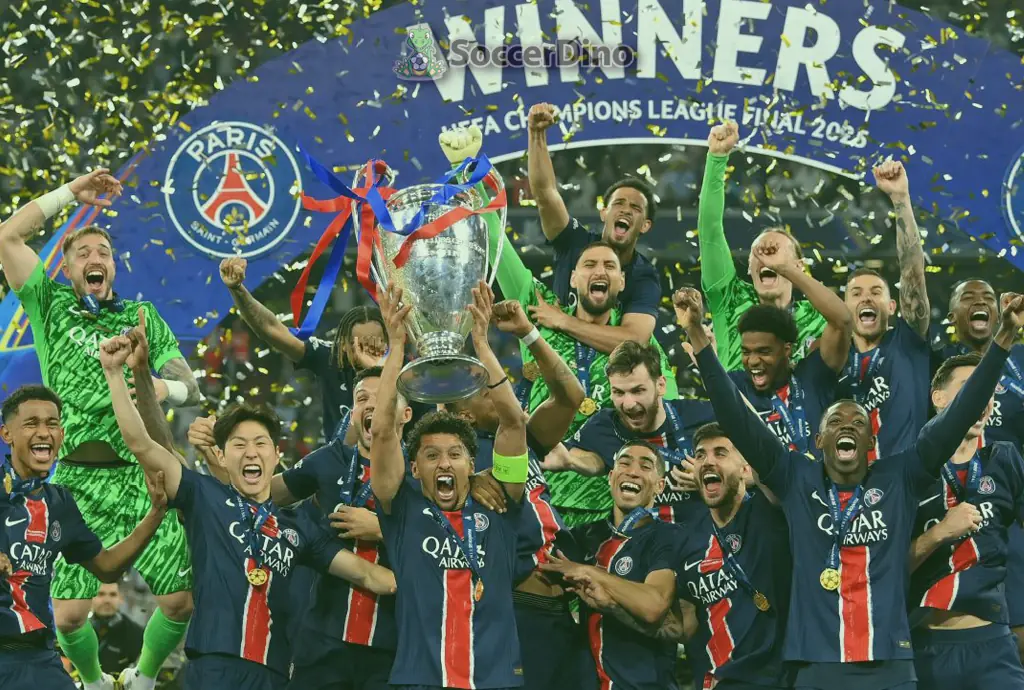
Only days earlier, Chelsea had produced one of their best performances of the season by sweeping Barcelona aside 3-0 in the Champions League. That result, combined with a battling 1-1 draw against Arsenal on Sunday after the red card shown to Moises Caicedo, had convinced many observers that Enzo Maresca was quietly turning his side into a genuine contender in the Premier League title race.
Instead, the defeat in Leeds brutally reset expectations. The English media were almost unanimous in their verdict that Chelsea are not yet ready to sustain a challenge at the very top of the table. The mood shifted from cautious excitement to a familiar mixture of frustration and doubt, as the same old questions about consistency, mentality and the depth of the squad returned to the surface.
The contrast between the performances summed up the core of the criticism. Against Barcelona, Chelsea looked fast, aggressive and ruthless in both boxes. They pressed high, moved the ball with confidence and punished almost every mistake the Spanish side made. Against Arsenal, they showed resilience and tactical discipline, defending for long spells a man down and still finding a way to threaten in transition. At Elland Road, however, that intensity disappeared. Leeds were sharper in the duels, more direct in their attacks and far more determined in their approach.
A team that genuinely wants to compete for the title has to show its strength in exactly this type of match, not only in glamorous fixtures against European giants or direct rivals at the top of the table. That was the main theme in the English press. The Daily Mail stressed that champions are defined by what they do away at difficult grounds on cold midweek nights, not just by their performances on big European occasions. The paper underlined that Chelsea cannot afford to switch between brilliance and chaos every few days, and used the image of a side that takes points from the rich and then hands them back to struggling opponents.
That idea was linked directly to the context around Leeds. Daniel Farke had been under intense pressure after a miserable run of six defeats in seven Premier League matches. Confidence in his squad was low, the atmosphere around the club had become anxious, and there were open questions about his future. For that reason, the victory over Chelsea felt like a dream scenario for the German coach. It not only gave Leeds three precious points, it also provided a timely boost to belief in the dressing room and the boardroom.
From the Chelsea perspective, that was exactly what should have been avoided. Maresca admitted after the match that his team had been second best in every department. He pointed out that anyone who had watched the wins over Barcelona and the strong performance against Arsenal would naturally have expected much more in Leeds. Instead, the same players who had impressed on the continental stage looked passive, stretched and disorganised when faced with a physically intense and hungry opponent fighting to save its season.
Team selection became a major talking point. Maresca decided to rest key defenders Wesly Fofana and Reece James, a decision that drew immediate criticism in the British media. The Italian coach argued that the schedule and the physical condition of his players left him with little choice, especially with more demanding fixtures to come and the constant risk of injuries. Nevertheless, the replacement back line of Malo Gusto and Tosin Adarabioyo, alongside the other regulars, conceded three goals and never inspired confidence.
Pundits were ruthless in their assessments. Gary Neville, speaking on Sky Sports, described the evening as a nightmare for Maresca and a dream for Leeds. He emphasised that Chelsea’s defenders looked uncertain from the first whistle to the last, losing individual battles, failing to track runners and making poor decisions on the ball. For Neville, the defensive display was symbolic of a wider problem within the squad.
In his view, it is not just a question of one bad night or a couple of rotated players. Neville argued that the entire Chelsea squad, in its current form, is not strong enough to compete with the very best teams over a full season. He predicted that Chelsea might still finish in the top four or top five, given the overall quality in certain positions and the tactical organisation of Maresca’s system, but insisted that this is close to the ceiling at the moment rather than a stepping stone to the title.
The critique was detailed. Neville highlighted that the defenders are not only vulnerable defensively but also limited in their contribution on the ball, which is crucial in a possession based style that asks the back line to build attacks calmly under pressure. He also pointed at goalkeeper Robert Sanchez, suggesting that a side with serious title ambitions normally relies on a truly top class goalkeeper, someone who saves points regularly and transmits absolute authority to the defence. In his opinion, Chelsea do not have that profile right now.
The attacking line did not escape scrutiny either. Despite the flashes of quality seen against Barcelona, the forwards were described as inconsistent and not yet at the level required to carry a club of Chelsea’s stature to a league title. Too often, promising moves broke down due to poor decision making in the final third, heavy touches or a lack of composure in front of goal. In a league where margins are so small, that inconsistency becomes decisive.
All of this is reflected in the table, where the gap to leaders Arsenal now stands at nine points. In theory, such a deficit can be overturned over the course of a long season, especially if rivals drop points during difficult runs of fixtures. In practice, however, the combination of results and underlying performances has led many commentators to conclude that Chelsea do not yet have the reliability required to mount a relentless charge. The defeat at Elland Road felt less like an isolated setback and more like a reminder that this project is still in the middle of a transition.
There are, of course, mitigating factors. Maresca has inherited a squad that is still relatively young, with several recent signings adjusting to the Premier League, and a dressing room that has been through constant changes of manager, tactical approach and personnel over the last few seasons. Building automatisms in possession, a cohesive pressing structure and a strong dressing room hierarchy all take time. Some analysts have suggested that Chelsea’s peaks, such as the demolition of Barcelona, show what might be possible in one or two years if the club remains patient.
Even so, patience is not a word that fits easily around Stamford Bridge. The ownership, the fanbase and the history of the club are all aligned with an expectation of success, and disappointing league defeats tend to trigger immediate debate about recruitment, strategy and leadership. The loss to Leeds reopened discussions about the balance of the squad, particularly in defence and in goal, and about whether further investment will be needed in the next transfer window if Chelsea want to close the gap to Arsenal and the other top contenders.
For Maresca, the coming weeks will be a test of his ability to manage the psychological side of the game as much as the tactical one. He must convince his players to move on quickly from Elland Road, restore their self belief and maintain the structures that worked so well against Barcelona and Arsenal. At the same time, he needs to show that he can learn from this setback, adjust his rotation policy and find a way to avoid the dramatic swings in performance that have defined Chelsea’s season so far.
Ultimately, the defeat in Leeds does not end Chelsea’s season, but it has reshaped the narrative around it. Instead of being talked about as surprise title outsiders, they are once again being discussed as a talented but flawed team, capable of beating anyone on their day but not yet strong or stable enough to rise above the rest over 38 matches. The challenge now is to prove that this setback is a painful lesson rather than a clear sign of their limits.