If Aston Villa were still secretly dreaming of winning the Premier League title, the club can bid farewell to that ambition after Friday night. The Villans lost the local derby away at Wolverhampton Wanderers, who hardly even need the three points anymore as part of their long-lost fight against relegation.
Wolverhampton Wanderers beat Aston Villa 2–0 on Friday night at Molineux, a result that not only reignited local pride in the Black Country but also all but ended any faint title hopes Villa may have still been entertaining.
In miserable conditions and with the rain lashing down throughout, Wolves delivered one of their most complete performances of the season at precisely the moment when their campaign had long seemed to be drifting toward the inevitable.
It took a certain kind of loyalty for home supporters to turn up on the uncovered Graham Hughes Stand, and they were rewarded with a rare night of celebration. The weather felt symbolic: a soaked stadium, a team sitting in trouble, and a season that has been bleak for long stretches. Yet in this derby, Wolves showed urgency, grit, and, crucially, the ruthless edge that has too often been missing.
Aston Villa, as the higher-ranked side and the team with far more at stake in the upper reaches of the table, began with the expected authority. They controlled longer phases of possession, pressed Wolves back, and created the clearer openings in the first half hour. Ollie Watkins had a strong chance to put Villa ahead, while Pau Torres also wasted an opportunity that normally would have punished a struggling opponent. Wolves, meanwhile, looked content to absorb pressure, keep their shape, and wait for moments to break, relying on intensity in duels and quick transitions rather than extended spells on the ball.
As the first half wore on, the match became scrappier and the quality dipped. The rain made clean combinations difficult, tackles were mistimed, and both teams struggled to build consistent momentum. Villa still looked more likely to score, but their end product didn’t match their territory, and Wolves defended their box with increasing confidence. By half-time, the 0–0 scoreline felt predictable: Villa had threatened without converting, and Wolves had survived the most dangerous phase.
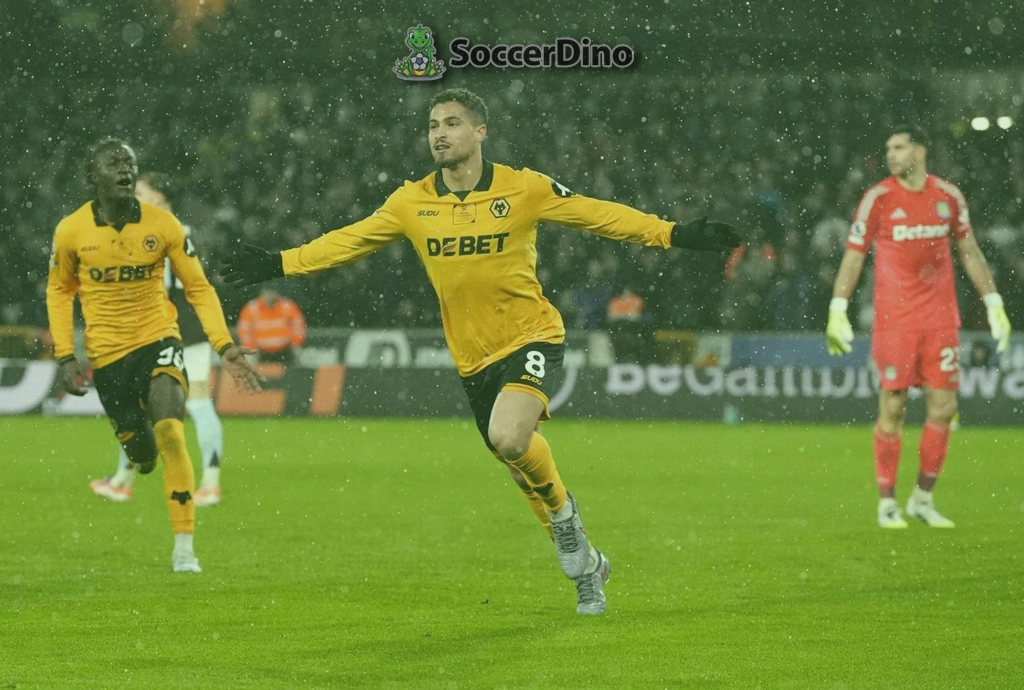
The pattern changed after the break. Wolves emerged with more intent, pushing higher and contesting the midfield with greater aggression. That shift in energy was rewarded just after the hour mark with the goal the game had been waiting for. João Gomes, who had covered ground tirelessly all evening, struck a superb effort that flew in off the underside of the crossbar. It was a hit of real quality, the kind that cuts through a tense derby atmosphere, and it also carried personal significance: the Brazilian’s first league goal of the season.
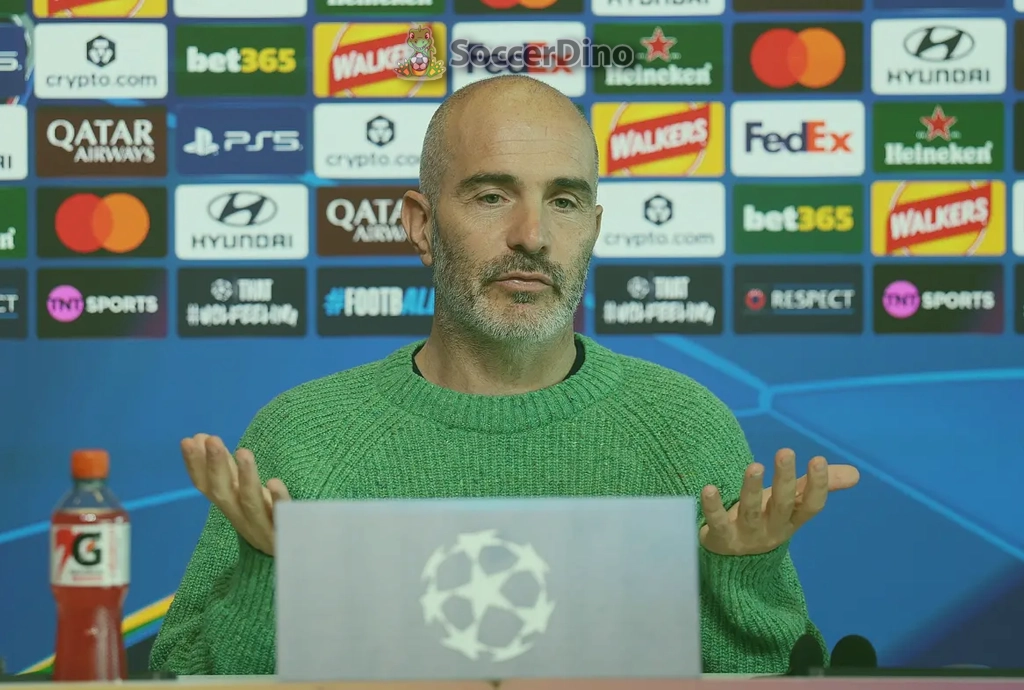
Unai Emery immediately tried to flip the script. He shuffled his side with multiple substitutions, sending on Tammy Abraham as a late attacking weapon and introducing Ian Maatsen as well. Villa’s approach became more direct, with more balls pushed into the final third and more bodies committed forward. For a spell, it looked as if Wolves might buckle under pressure, especially as Villa began to win second balls and force the home side deeper.
The best chance for an equaliser fell to Maatsen about fifteen minutes from time. The Dutch left-back found himself with a golden opportunity to make it 1–1, but his effort was beaten away by the goalkeeper’s strong hands. It was the defining moment of Villa’s comeback attempt: a clear opening, a big save, and a reminder that this was not going to be their night.
As Villa pushed harder in the closing stages, gaps inevitably appeared. Wolves, sensing the spaces, began to wait for the decisive counter. That moment arrived late on when Rodrigo Gomes finished a transition move to make it 2–0, punishing Villa for overcommitting and effectively sealing the derby. The goal triggered a roar of relief as much as joy: it was a rare opportunity this season for Wolves fans to savour a comfortable margin, not merely a hard-earned point.
For Aston Villa, the defeat lands heavily. It was not just the scoreline, but the performance: a flat second half, missed chances at key moments, and a lack of sharpness in the final third that undermined their earlier control. With the table situation as it is, this kind of dropped result feels decisive. Villa remain third, but they sit ten points behind leaders Arsenal with the same number of games played, making the title chase look increasingly unrealistic. Their focus now turns to consolidating their position and responding quickly, with Chelsea due at Villa Park on Wednesday night.
Wolves, meanwhile, enjoyed the satisfaction of beating a regional rival, but the wider reality remains grim. The win takes them to thirteen points, a number that has a strange historical footnote attached to it: it means Derby County keep their unwanted label as the worst Premier League side ever. Derby went down in 2008 with eleven points, and Wolves have now moved beyond that benchmark.
Yet celebration comes with an asterisk. Wolves are still expected to be relegated. The gap to safety remains fourteen points, and the maths looks unforgiving: Rob Edwards’ side have only nine matches left, while other teams around them have eleven still to play. Even with this derby boost, their margin for error is virtually gone, and they would need an extraordinary run to escape the drop.
There is also little time to bask in the moment. Wolves are back in action on Tuesday night at home to Liverpool, a fixture that will demand the same resilience and intensity they showed here, but against a far stronger opponent. For one soaked evening at Molineux, though, the rain could not dampen the mood: Wolves delivered pride, points, and a derby win that gives their supporters something tangible to hold onto in a difficult season.