Tottenham suspend Yves Bissouma after a second nitrous oxide incident as the Mali midfielder apologises to fans, opens up about trauma from a major home robbery, and describes ongoing mental health struggles and therapy.
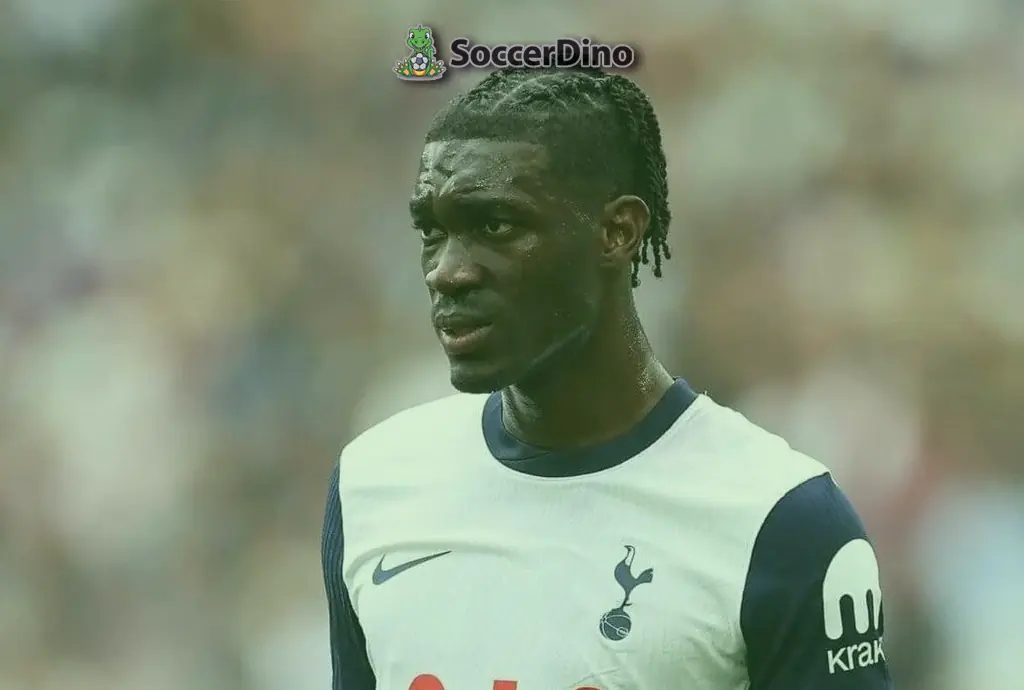
Yves Bissouma has been suspended by Tottenham after being caught for a second time inhaling nitrous oxide, commonly known as laughing gas.
The incident has reignited scrutiny around player conduct and welfare, while also placing the 29-year-old midfielder at the centre of a wider conversation about mental health, addiction risk, and the pressures that can build behind the scenes for elite athletes.
In an interview with The Sun published on Sunday, Bissouma apologised to Tottenham supporters and acknowledged the damage caused by the image and the wider situation. He admitted he feels deeply ashamed about the episode and stressed that, as a professional footballer, he understands the responsibility that comes with representing a club at the highest level. He explained that the photo affected not only him, but also those closest to him, describing how his father panicked after seeing it and how difficult it has been to manage the impact on his family.
Tottenham’s decision to suspend Bissouma signals that the club views the matter as more than a private mistake. While clubs vary in how they apply discipline, a suspension typically reflects two concerns. The first is standards and accountability, particularly when an incident becomes public and risks reputational harm. The second is the duty of care angle, where a club may want time and space for a player to engage with support mechanisms and regain stability away from matchday pressure. In cases like this, the football side and the welfare side often overlap, especially when a player is openly describing psychological strain.
Bissouma’s comments framed the situation as part of a larger personal struggle rather than a single isolated lapse. He revealed that he had been the victim of a home robbery in which he reportedly lost items worth around 1.1 million euros. More importantly, he described the aftermath as traumatic, saying the incident broke something inside him that he did not even know could break. His description focused less on the financial loss and more on what it did to his daily life: fear, panic, depression, paranoia, sleepless nights, and a steady erosion of confidence.
That detail matters because it helps explain why a player might spiral into harmful coping behaviours, even if they know those behaviours are risky and damaging. Bissouma spoke about feeling unsafe at home to the point that he sometimes chose to sleep at the training ground for several days in a row. He also described the strain of worrying about his father’s health while trying to appear strong externally, a familiar dynamic for many people who carry stress quietly and keep functioning until the pressure becomes unmanageable.
From Tottenham’s perspective, the on-field impact is also significant. Bissouma has typically been used as a central midfielder who can protect the back line, win second balls, and progress play under pressure. When he is unavailable, it affects both selection and structure, especially if the squad is already dealing with injuries or a heavy run of fixtures. His suspension therefore becomes a football issue as well as a disciplinary one, forcing the coaching staff to adjust midfield balance, pressing triggers, and rotation plans.
It also adds another layer to the ongoing debate about how clubs and leagues should respond when player misconduct intersects with wellbeing. Public discussion often becomes binary, punishment or excuses, when the reality is usually more complex. Bissouma himself addressed that tension directly. He stated that his mental health struggles are not an excuse for what happened, but he hopes people can understand him better in light of what he has been experiencing. In other words, he accepts that accountability still applies, while also asking for a more realistic view of what athletes can be dealing with away from the spotlight.
His disclosure that he has been speaking to a mental health therapist, sometimes up to five times a week, indicates the scale of support he felt he needed. That frequency suggests he was not looking for a token gesture or a one-off conversation, but sustained professional help to manage symptoms and regain control. It also reflects a broader shift in sport, where more players are willing to publicly acknowledge therapy and psychological support, even though stigma still exists.
Bissouma also spoke about the impact of online abuse and how he tries to protect his family from seeing it. That aspect often gets underestimated in public coverage, but for high-profile footballers, online criticism can quickly become relentless and personal, especially when an incident is shared widely. He described trying to relax through ordinary routines such as playing video games, spending time with his son, and focusing on family life. He also referenced the role of faith, saying he prays frequently and considers himself spiritual, presenting religion as part of the framework he uses to cope and rebuild.
Looking forward, Bissouma’s stated priority is to move on from his mistakes, regain fitness, and rediscover enjoyment in football. That phrasing is telling. When players mention enjoying football again, it often implies the sport has started to feel like obligation and pressure rather than passion. Tottenham’s next steps will likely involve a combination of internal discipline, behavioural expectations, and a structured support plan, particularly if the club wants to reduce the risk of recurrence and help the player return in a healthier place.
For supporters, the situation will produce mixed reactions. Some will focus on standards and image, expecting consequences when a player repeatedly makes the same mistake. Others will view his account of trauma and mental health symptoms as a prompt for empathy, especially given the clear signs of distress he described. In practice, the club will be trying to balance both: setting clear boundaries while ensuring a player in difficulty is not simply isolated and left to deteriorate.
Ultimately, this story is not only about a suspension. It is about how a top-level footballer, publicly criticised for a serious lapse in judgement, is also describing fear, insomnia, paranoia, and psychological exhaustion after a violent personal experience. It is a reminder that high performance environments can conceal a lot of pain, and that the most productive outcomes usually come when accountability is paired with real, professional support.