Tottenham used six substitutions in a 0-1 defeat to Chelsea because an early suspected concussion to Lucas Bergvall triggered an extra, protocol-approved change, followed by five regular substitutions as Spurs chased the game.

Tottenham made six substitutions on Saturday in the home match against Chelsea, which they lost 0-1 thanks to a goal by the Brazilian João Pedro. The unusually high number of changes immediately raised eyebrows, yet the explanation lies in a very specific part of the laws that protect players in the event of suspected head injury.
The turning point came almost straight away. Lucas Bergvall was withdrawn in the seventh minute after taking a forceful ball to the head. He appeared dazed and unsteady, and the Spurs medical team advised an immediate change. Under the league’s head injury protocols, a team may make an additional permanent substitution for a suspected concussion. Crucially, that change sits outside the normal cap on substitutions. It is designed to remove any disincentive to take a player off quickly when there is even a hint of head trauma. The player who leaves under this protocol cannot return, and the match continues with the replacement counting as a special category rather than one of the regular changes.
That is what happened here. The concussion protocol was activated and Bergvall made way for Xavi Simons. The reaction said everything about the competitive instinct of elite players. Bergvall did not want to come off and left the field visibly frustrated, but medical staff have the final say. This is exactly the culture the protocol aims to strengthen. No player should feel pressure to stay on when there is any risk of concussion, and no coach should feel penalized for prioritizing a player’s health.
With the concussion substitution accounted for, Tottenham still had their regular allocation available. Across the second half, they added five more changes as they chased the game and managed workloads. Cristian Romero and Richarlison arrived to stiffen the spine and add penalty-box threat. Odobert and Brennan Johnson were introduced to refresh the wide areas and push Chelsea’s back line deeper. Udogie came on to offer fresh legs on the flank. They replaced Danso, Bentancur, Xavi Simons, Kolo Muani and Pedro Porro respectively. In practical terms, Tottenham used one concussion substitution plus the full set of five normal substitutions.
The rhythm of the match made those decisions understandable. An early enforced change can scramble a coaching plan. Rotations that were scheduled for later have to be brought forward. Partnerships that rely on rhythm need time to reset. Spurs tried to rebuild their shape on the fly, first stabilizing after Bergvall’s exit and then layering on more attacking intent as minutes ticked away. The later wave of introductions aimed to increase tempo, add fresh running off the ball, and create more 1v1 situations high up the pitch.
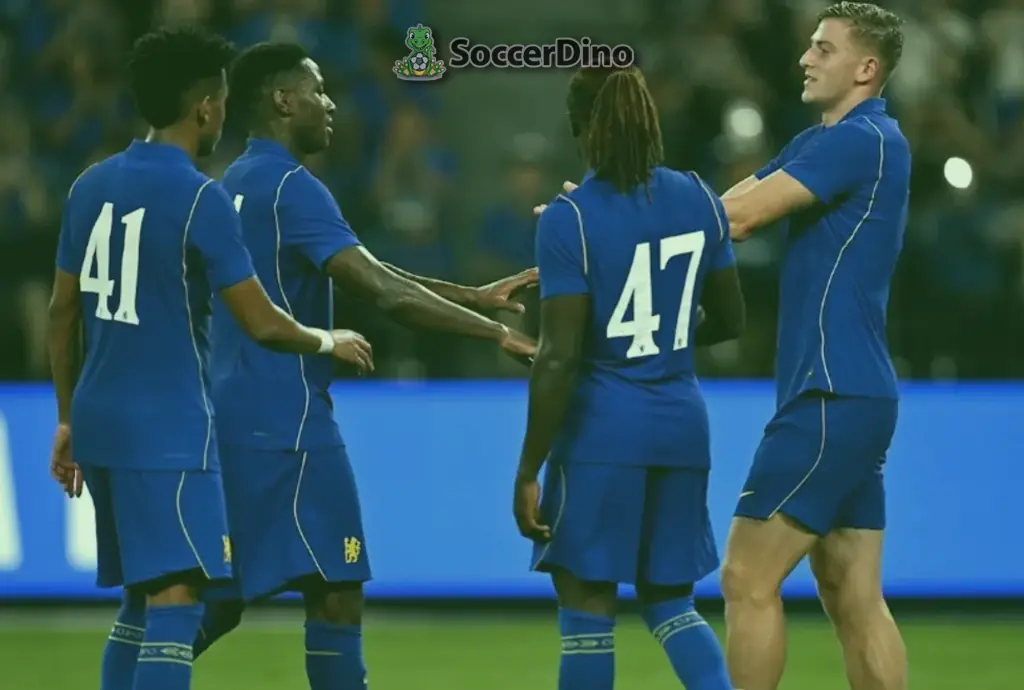
Chelsea, for their part, managed the key moments. João Pedro’s strike separated the sides and forced Tottenham to play with more risk. Once ahead, Chelsea were content to compress the middle third, slow restarts, and force Spurs to circulate the ball wide before crossing into traffic. That defensive posture magnified the importance of precision in the final pass. Tottenham found territory but struggled to produce the clean, high-value chances that change tight games. When they did break lines, Chelsea’s recovery runs and box defending stayed alert.
Beyond the scoreline, the night offered a live case study in how concussion rules are meant to work. The immediate removal of a potentially concussed player is now the norm rather than the exception. The additional substitution means managers do not have to weigh player welfare against tactical flexibility. It also means we will sometimes see totals that look odd on the scoreboard, like six substitutions for one side, without any breach of the standard limits. The broader principle is simple. Protect the brain first, sort out the tactics second.
From Tottenham’s perspective, there are two strands to take forward. The first is health related. Bergvall’s status will depend on post-match assessments that typically include cognitive tests and symptom monitoring over the following days. The second is footballing. The volume of changes showed intent and depth, but the challenge is turning that fresh energy into more composure around the box. Final-third decision making, set-piece delivery, and the quality of the last action are the repeatable areas that can lift the team even when the game state turns against them early.
For Ange Postecoglou and his staff, there will also be a planning lesson. Early disruptions happen, so the bench map needs contingencies for each unit. If an attacking midfielder goes off under the protocol, what is the best way to keep pressing triggers aligned. If a full back exits, how do you preserve balance between overlaps and rest defense. Spurs did many of those emergency adjustments reasonably well here, which helps explain how they stayed in contention despite the setback and the eventual need to rotate heavily.
As for the atmosphere, it reflected the stakes. Frustration at near misses, urgency driving the late substitutions, and a final push that never quite broke through. Matches like this are decided on thin margins and the single moment that fell Chelsea’s way defined the night.
In summary, the six substitutions were entirely within the rules because one was a designated concussion change that does not count toward the usual limit. Player safety dictated the first decision. Tactical necessity explained the rest. The result stings for Tottenham, yet the protocol worked exactly as intended, prioritizing welfare without boxing the coaching staff into a corner.